When considering the historical struggle to preserve the dignity of the Bengali language, memory almost instantly reverts to the seminal events of 1952 in Dhaka. The supreme sacrifices of Salam, Barkat, Rafiq, Jabbar, and Shafiur laid the foundation for what is globally commemorated today as International Mother Language Day. However, a lesser-known yet equally tragic and heroic chapter of linguistic resistance unfolded beyond the borders of Bangladesh, in the Barak Valley of the north-eastern Indian state of Assam. There, Bengali speakers repeatedly laid down their lives to safeguard their mother tongue against linguistic hegemony—a chapter of shared history that remains poignant, highly dignified, and frequently overlooked.
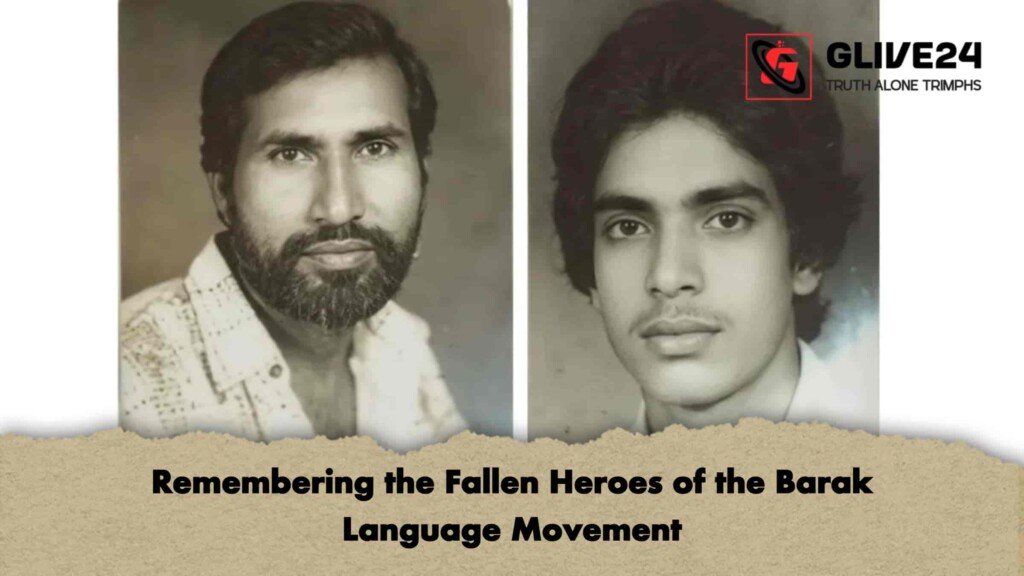
The calendar date of 21 July marks a solemn anniversary in this ongoing narrative. On this day in 1986, two young protesters, Jaganmay Deb and Dibyendu Das, were fatally shot by police forces in Karimganj, Assam, whilst participating in a peaceful demonstration defending the Bengali language. Their martyrdom raised the total count of recognized language martyrs in the Barak Valley to thirteen, serving as a stark reminder of the sacrifices made across the region.
The Genesis of the Movement
The root of the conflict traces back to April 1960, when the Assam Pradesh Congress Committee passed a resolution declaring Assamese as the sole official language of the state. This policy completely ignored the demographic realities of the Barak Valley—encompassing the districts of Cachar, Karimganj, and Hailakandi—where the vast majority of the population was Bengali-speaking.
The declaration triggered widespread public outrage and mass civil disobedience throughout the region. Simultaneously, ethnic and linguistic tensions flared in the Brahmaputra Valley, leading to violent targeted attacks against Bengali residents. Official commission reports at the time documented severe displacement, recording that in 25 villages within Kamrup district alone, 4,019 huts and 58 permanent residences were destroyed, leaving numerous individuals injured and resulting in at least nine fatalities. Despite this hostility, the Bengali community intensified its demand for the constitutional recognition of their language.
19 May 1961: The Bloodshed at Silchar
The resistance reached a tragic climax on 19 May 1961 during a peaceful Satyagraha (non-violent protest) at Silchar Railway Station, organized to demand official language status for Bengali in the Barak Valley. Assam police opened fire indiscriminately on the peaceful gathering, killing eleven individuals on the spot.
The eleven martyrs who lost their lives on that historic day were:
-
Kanailal Niyogi
-
Chandicharan Sutradhar
-
Hitesh Biswas
-
Satyendra Deb
-
Kumudranjan Das
-
Sunil Sarkar
-
Tarani Debnath
-
Sachindra Chandra Pal
-
Birendra Sutradhar
-
Sukamal Purkayastha
-
Kamala Bhattacharya (recognized as the first female language martyr in modern history)
The profound public outrage following the tragedy forced the Assam state government to amend its stance, ultimately granting Bengali co-official status within the Barak Valley. Consequently, 19 May is commemorated annually by the local populace as Language Martyr Day—their localized parallel to 21 February.
The Table of Honour: Barak Valley Language Martyrs
The martyrs of the linguistic rights movement in the Barak Valley represent a legacy of unwavering commitment to cultural identity and democratic rights.
| No. | Name of the Martyr | Date of Martyrdom | Location of Incident | Context of Struggle |
| 1 | Kanailal Niyogi | 19 May 1961 | Silchar Railway Station | Protesting for official recognition of Bengali |
| 2 | Chandicharan Sutradhar | 19 May 1961 | Silchar Railway Station | Protesting for official recognition of Bengali |
| 3 | Hitesh Biswas | 19 May 1961 | Silchar Railway Station | Protesting for official recognition of Bengali |
| 4 | Satyendra Deb | 19 May 1961 | Silchar Railway Station | Protesting for official recognition of Bengali |
| 5 | Kumudranjan Das | 19 May 1961 | Silchar Railway Station | Protesting for official recognition of Bengali |
| 6 | Sunil Sarkar | 19 May 1961 | Silchar Railway Station | Protesting for official recognition of Bengali |
| 7 | Tarani Debnath | 19 May 1961 | Silchar Railway Station | Protesting for official recognition of Bengali |
| 8 | Sachindra Chandra Pal | 19 May 1961 | Silchar Railway Station | Protesting for official recognition of Bengali |
| 9 | Birendra Sutradhar | 19 May 1961 | Silchar Railway Station | Protesting for official recognition of Bengali |
| 10 | Sukamal Purkayastha | 19 May 1961 | Silchar Railway Station | Protesting for official recognition of Bengali |
| 11 | Kamala Bhattacharya | 19 May 1961 | Silchar Railway Station | Protesting for official recognition of Bengali |
| 12 | Jaganmay Deb | 21 July 1986 | Karimganj | Opposition to mandatory Assamese in schools |
| 13 | Dibyendu Das | 21 July 1986 | Karimganj | Opposition to mandatory Assamese in schools |
The Unrest of 1986 and Further Sacrifices
Despite the concessions secured in 1961, administrative attempts to marginalize minority languages re-emerged decades later. In 1986, the state government issued a circular making the Assamese language a compulsory subject in all schools across the region, including the Barak Valley. The decision was met with immediate civil resistance.
On 21 July 1986, during a planned visit by the state’s Chief Minister to Karimganj, thousands gathered for a peaceful rally to demand the withdrawal of the circular. Police forces once again utilized lethal force to disperse the rally, resulting in the immediate deaths of Jaganmay Deb and Dibyendu Das. Their sacrifice re-established the painful truth that linguistic liberties often require sustained vigilance and sacrifice.
The history of language struggles in the region extends even beyond the Bengali community. Sudeshna Sinha, a young woman who lost her life defending the constitutional rights of the Bishnupriya Manipuri language, stands as another key figure in the broader regional struggle for linguistic diversity and indigenous rights.
A Lasting Legacy
Language serves as far more than a mere instrument for daily communication; it acts as the primary repository of history, heritage, and collective self-identity. The sacrifices made in Silchar and Karimganj reaffirm that the struggle to preserve one’s mother tongue transcends geographical boundaries and remains an integral part of the global movement for human rights and cultural freedom.