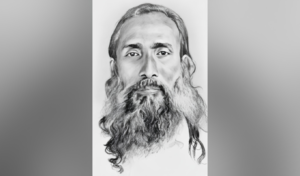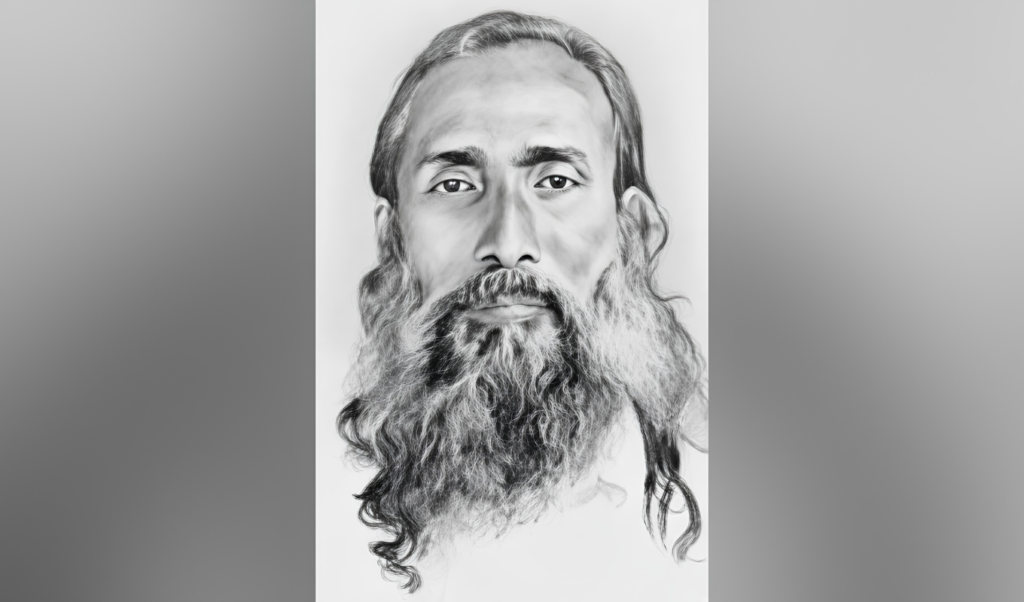
The cultural history of Bengal owes an irreplaceable debt to the scholars who traversed its rural heartlands to rescue its rich oral traditions from fading into oblivion. Prominent among these pioneers stands Muhammad Mansur Uddin, an eminent folk literature collector, musicologist, and literary scholar whose lifelong dedication transformed scattered rural melodies into an enduring national archive.
Born in 1904 in Muraripur village within the Sujanagar Upazila of Pabna district, Mansur Uddin was raised by his parents, Zaidar Ali and Ziuarun Nesa. Demonstrating exceptional academic promise from an early age, he completed his matriculation in 1921, graduated with a Bachelor of Arts in 1926, and achieved first-class honours in his Master’s degree in Bengali Language and Literature from the University of Calcutta in 1928. He further distinguished himself by securing third position in first class in Indian Vernaculars, cementing his reputation within academic circles.
His passion for folk preservation emerged during his school years. While studying in the tenth grade, he read compositions by the mystic bard Lalon Shah, compiled by Rabindranath Tagore and published in the famed monthly journal Prabasi. Inspired by these works—and later encouraged personally by Tagore—Mansur Uddin began collecting songs directly from local Bauls and Fakirs. The very first piece he recorded was a Lalon song performed by Premdas Bairagi, a singer in his home village. He sent the transcript to Prabasi, which published it in the Ashwin 1330 (BS) edition, initiating a lifelong quest.
Mansur Uddin’s crowning achievement remains Haramoni, a monumental 13-volume compilation of Bengali folk songs. Through this series, he systematically documented, preserved, and published hundreds of spiritual, romantic, and philosophical compositions that had previously existed only in oral forms. Alongside Haramoni, he authored a three-volume historical study titled Bangla Sahitye Muslim Sadhana (Muslim Contributions to Bengali Literature), contributing to an extensive bibliography of 42 authored and edited books.
His professional career began in 1931 as a Sub-Inspector of Schools, leading to a long academic tenure as a professor of Bengali Language and Literature until his retirement in 1959. He also served briefly as the editor of the official monthly periodical Mahe-Nau in 1952. Residing in Dhaka for several decades, he maintained a distinct lifestyle noted for his fond appreciation of the traditional hookah, fine footwear, and the English language, whilst remaining deeply connected to rural bards and humanist philosophy.
In recognition of his immense contributions to literature and cultural heritage, the state conferred several prestigious honours upon him:
-
Bangla Academy Literary Award (1965)
-
Ekushey Padak (1976)
-
Independence Award (1984)
Muhammad Mansur Uddin passed away on 19 September 1987. Though decades have elapsed since his death, his legacy endures as a cornerstone of Bengali cultural identity, ensuring that the songs of rural bards continue to resonate across generations.