A seven-and-a-half-month-old boy has died after contracting measles at Mymensingh Medical College Hospital, bringing the number of children who have died from the disease at the hospital to 79.
The child, who was from Nandail upazila in Mymensingh district, died on Saturday night while receiving treatment in the hospital’s isolation ward. Hospital authorities said he was suffering from pneumonia as well as measles, although no further details were provided about the specific complications that led to his death.
The latest fatality comes as the hospital continues to admit children with measles, raising concern about the persistence of infections despite vaccination efforts. The figures indicate that the disease remains a serious health concern for young children in the area, particularly those who develop additional complications.
According to hospital authorities, 54 more children were admitted to the measles isolation ward over the past 24 hours. A total of 138 children were receiving treatment at the hospital at the time of the latest update.
Since 17 March, measles has been detected in 5,222 children treated at Mymensingh Medical College Hospital. Of them, 5,005 have recovered and returned home, while the hospital has recorded 79 deaths among children affected by the disease. The latest figures underline both the number of children who have recovered following treatment and the continuing risk posed by severe cases.
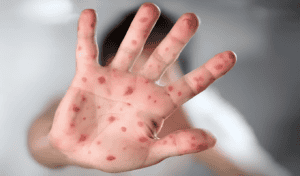
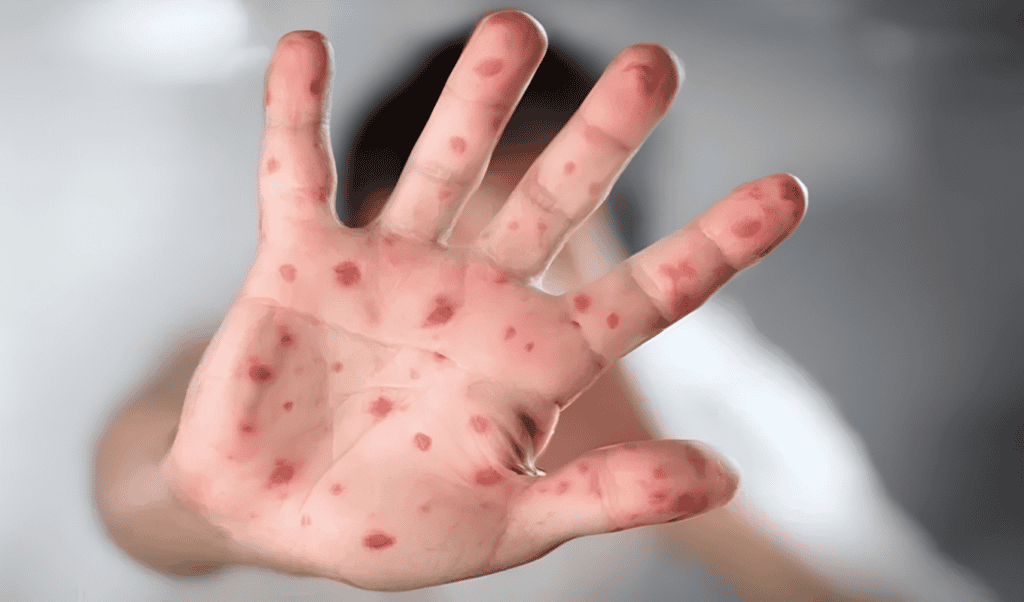
Measles is a highly contagious viral disease that spreads through the air when an infected person coughs, sneezes or breathes. Common symptoms include fever, a runny nose, coughing, red or watery eyes and a rash that typically spreads across the body. Although many patients recover with appropriate care, the infection can cause serious complications, particularly in infants and young children.
Pneumonia is one of the recognised complications of measles and can be life-threatening. Children who become severely ill may require hospitalisation, close monitoring and supportive treatment. The presence of pneumonia alongside measles in the latest case highlights the potential seriousness of the infection, although the hospital has not disclosed further clinical details about the child’s condition.
Vaccination remains the principal means of preventing measles and reducing the risk of severe illness. However, vaccination does not provide complete protection in every case. The level of protection can depend on factors including whether the recommended doses have been received and the individual’s immune response. Continued attention to vaccination coverage, timely diagnosis and access to medical care is therefore important in limiting the impact of the disease.
Health advice for parents and caregivers includes seeking medical attention if a child develops a fever accompanied by a rash, coughing, a runny nose or red eyes. Breathing difficulties, unusual drowsiness, marked weakness or an inability to feed are warning signs that require urgent medical assessment. As measles spreads easily, suspected cases should be managed in accordance with healthcare professionals’ advice to reduce the risk of transmission to other children.
The hospital’s latest figures show that thousands of children have recovered after being diagnosed with measles, but new admissions and continuing fatalities remain a concern. The number of children currently receiving treatment also points to the ongoing demand for isolation facilities and paediatric care.
No further information was provided about the vaccination history of the child who died or the vaccination status of the newly admitted patients. Without those details, it is not possible to determine how vaccination may have affected the individual cases. The immediate priority remains the treatment of affected children, early recognition of serious complications and continued efforts to prevent further infections.