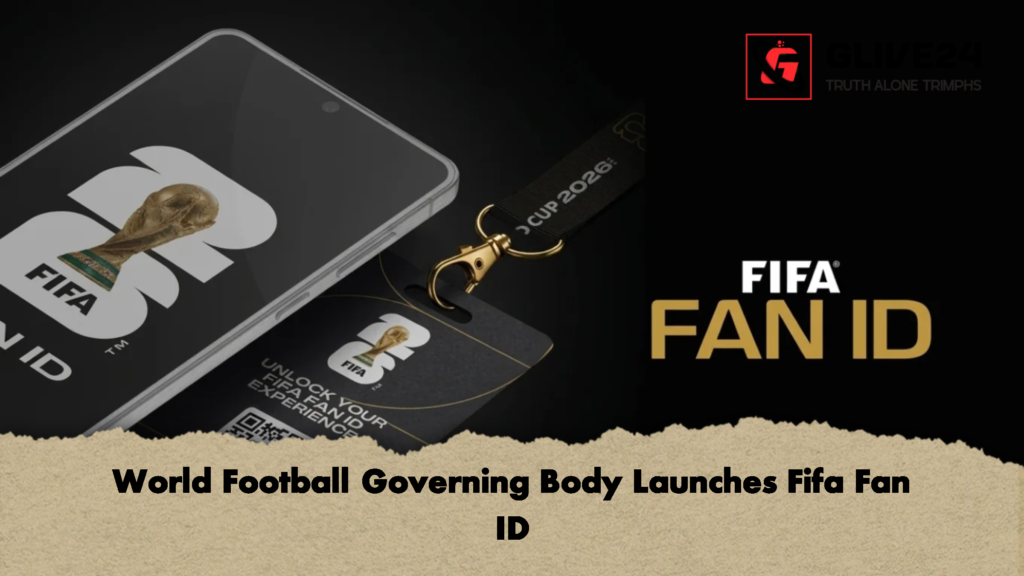
With less than three weeks remaining before the official commencement of the FIFA World Cup, football enthusiasts from across the globe have already initiated their journey towards the designated host cities. In a bid to enhance the overall match-day experience for attending spectators, the federation has introduced a new technological initiative. The world football governing body has formally launched the “FIFA Fan ID”, which is a specialised, smart physical card engineered to offer integrated digital access and interactive privileges to tournament attendees.
The physical card is designed as a complimentary gift exclusively for spectators holding valid match tickets. Far from being a mere passive tournament memento, the device functions as an interactive hardware token that grants access to a dedicated digital platform containing official tournament content, digital rewards, and specialised entertainment ecosystems.
Core Features and Technological Infrastructure
The smart card utilizes embedded short-range wireless communication technology, allowing supporters to unlock a wide range of digital functionalities simply by tapping the physical item against their smartphones. This seamless interaction bridges the physical match-day environment with a customized digital experience.
The primary technological benefits and features embedded within the new system encompass the following:
-
Personalised Multimedia Storage: Ticket holders can directly upload and preserve their personal match-day photographs, videos, and memories onto the digital platform.
-
Customised Souvenir Creation: Supporters can utilise official, high-resolution match photography to generate personalised digital and physical memorabilia.
-
Augmented Reality (AR) Experiences: The system hosts exclusive Augmented Reality video content, allowing users to engage with interactive digital overlays.
-
Gamified Rewards and Incentives: Cardholders are granted direct eligibility to participate in official contests to win unique tournament prizes.
-
Real-Time Match Information: The platform provides instantaneous updates regarding stadium logistics, match-day schedules, and transportation details.
Distribution Mechanisms and Stadium Logistics
According to the official guidelines released by the tournament management, match-going spectators can claim their complimentary physical cards on-site. The distribution network will span across all 16 official tournament venues, with dedicated Fan Information Booths established at each stadium to facilitate the rollout.
Although the cards will remain available throughout the entire duration of the competition, the governing body has explicitly advised fans to collect their physical ID cards on the opening match day of the tournament to maximize the utility of the real-time digital services.
The implementation of this system across 16 world-class sporting venues requires comprehensive logistical coordination. The dedicated information booths will be staffed by trained tournament personnel to assist international and domestic visitors with the smartphone synchronization process, ensuring that the tap-to-access technology functions correctly across varying mobile operating systems.
Regulatory Clarifications and Strategic Intent
The president of the world football governing body, Gianni Infantino, has publicised the initiative as a pioneering advancement designed to redefine how spectators interact with the global tournament. The administration has reiterated that the Fan ID is being distributed entirely free of charge to legitimate ticket holders, acting as an added-value component to their ticket purchase.
However, the governing body has issued critical regulatory clarifications regarding the legal and operational limitations of the card. The administration has explicitly stressed that the Fan ID does not possess any statutory authority beyond its intended digital entertainment and information purposes. Specifically, the card does not function as an international entry visa, it does not replace a standard match ticket, and it is not a mandatory credential for entering stadium premises. Instead, it serves entirely as an optional digital accessory aimed at making the spectator journey more immersive and interactive.