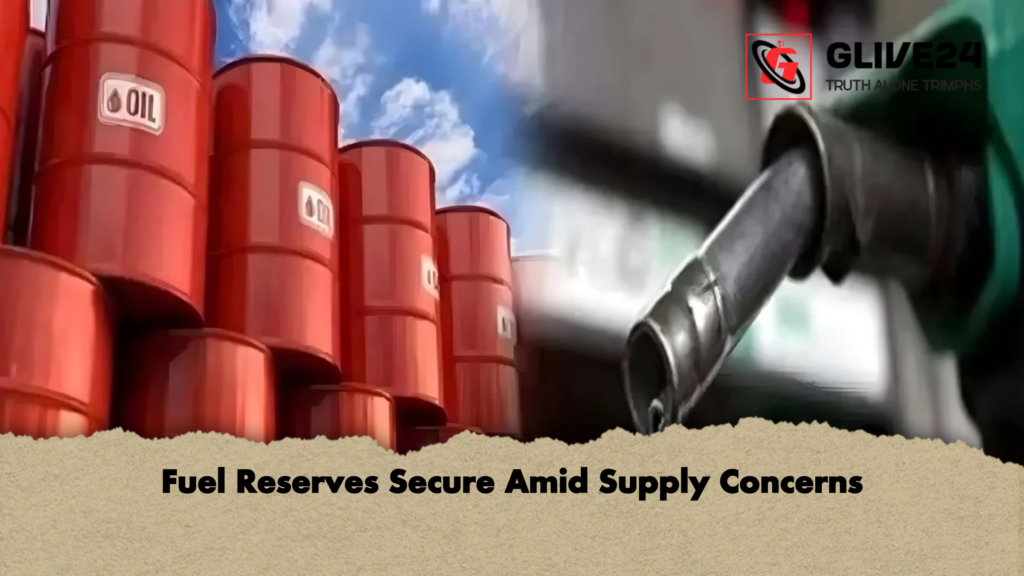
Ongoing tensions in the Middle East, coupled with global instability, have delayed the arrival of several fuel-carrying vessels scheduled to dock in the country. This disruption has raised fresh concerns regarding the domestic supply of petroleum products. Although the government is actively seeking alternative import sources to mitigate the impact, full stability has yet to be restored. Uncertainty remains over whether supply levels will remain normal throughout April.
On Tuesday, 24 March, Ikbal Hasan Mahmud Tuku reassured the nation that the country currently holds adequate fuel reserves and that no crisis is expected.
Anindya Islam confirmed that, as of now, there has been no shortage of petroleum products. Several shipments have already arrived, with more on the way. The ministry is finalising the import schedule for April, and, if necessary, refined diesel may be purchased from the open market to ensure continuity of supply. He also cautioned that panic-driven bulk purchases are placing temporary pressure on distribution channels.
According to sources at the Bangladesh Petroleum Corporation (BPC), diesel reserves stood at approximately 14 days’ supply as of Monday. However, early purchasing by consumers has created localized shortages in some regions.
The current stock levels and supply projections for key petroleum products are summarised below:
| Fuel Type | Stock (Tons) | Supply Duration | Remarks |
|---|---|---|---|
| Diesel | 185,000 | 14 days | Localised shortages due to panic buying |
| Octane | 11,000 | 9 days | Supply partially disrupted |
| Petrol | 16,605 | 11 days | Sufficient for stable distribution |
| Furnace Oil | 70,833 | 29 days | Adequate to maintain production |
| Jet Fuel | 34,877 | 23 days | Sufficient for aviation and industrial use |
| Kerosene | 8,571 | 46 days | Ample for public and government needs |
| Marine Fuel | 1,500 | 44 days | Usable for maritime transport and industry |
At the Eastern Refinery, approximately 80,000 tons of crude oil are currently in stock, enough to sustain production for an additional 17–18 days. Nevertheless, delays in new shipments could potentially disrupt ongoing refinery operations.
Experts highlight three primary pressures on the fuel supply chain: delayed shipping, rising international oil prices, and panic-driven consumer demand. The disruption of maritime traffic through the strategic Strait of Hormuz particularly affects import-dependent nations like Bangladesh, impacting supply timelines directly.
The government continues to implement proactive measures to secure fuel supplies. By maintaining sufficient reserves and exploring multiple procurement strategies, authorities aim to reassure the public and prevent any crisis from emerging.