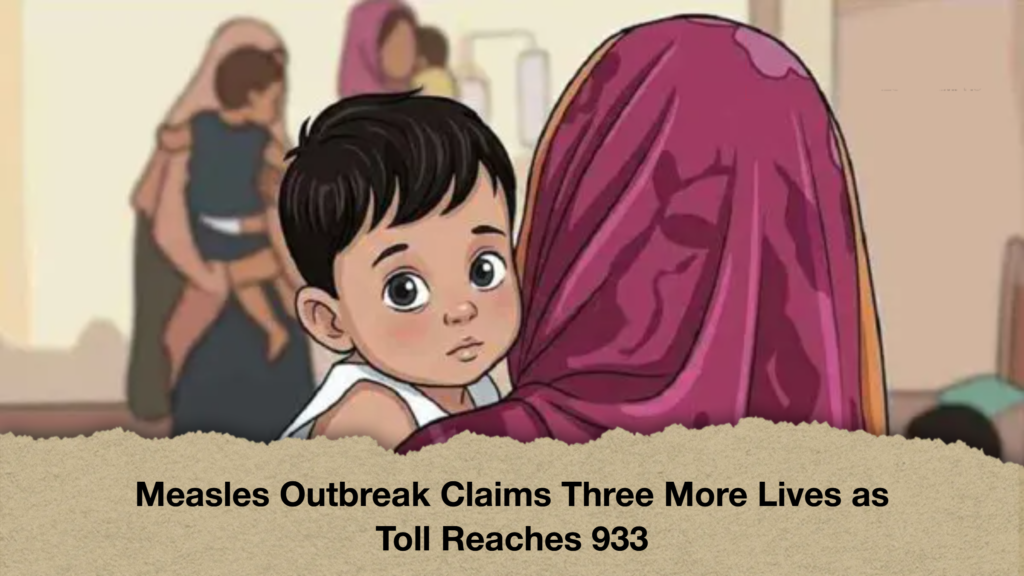
The public health challenge posed by the ongoing measles outbreak continues to demand rigorous monitoring across the country. Health authorities have reported that three additional children lost their lives due to measles-related symptoms over the past twenty-four hours. Alongside these tragic fatalities, the surveillance system recorded fresh infections and escalating symptom presentations, prompting renewed attention from medical professionals.
According to the regular epidemiological update released by the Directorate General of Health Services on Sunday, the latest figures underscore a persistent transmission cycle. Within the single twenty-four-hour reporting period, clinical monitors identified 1,097 fresh instances of patients presenting with typical measles symptoms. Additionally, laboratory evaluations confirmed 131 new positive cases during the same timeframe.
The cumulative impact of the outbreak since 15 March reveals a substantial toll on paediatric health. Official records indicate that 834 children have died due to severe symptoms associated with the illness, while another 99 individuals have succumbed to laboratory-confirmed measles infections. Combining these categories brings the total recorded mortality figure to 933.
Epidemiologists note a vital distinction between suspected and confirmed cases. While patients exhibiting clinical symptoms form a much broader demographic pool, the subset of laboratory-verified diagnoses provides a clearer picture of active viral circulation. Since the onset of the outbreak in mid-March, the total number of confirmed measles diagnoses has climbed to 18,404. Meanwhile, the cumulative volume of individuals reported with compatible symptoms has reached 149,503.
Medical facilities have faced severe operational pressures while managing this heavy caseload. Health department records show that 130,609 individuals required hospitalisation for treatment since 15 March. On a positive note, clinical recovery rates remain strong, with 125,775 patients successfully treated and discharged following medical clearance.
Public health specialists emphasise that community vigilance and early clinical intervention remain critical. Families are strongly advised to seek immediate medical consultation upon noticing initial symptoms such as a rash or fever, ensuring that vulnerable populations receive timely and appropriate care.
What specific preventive measures are being prioritized by local health authorities to curb further transmission among vulnerable children?