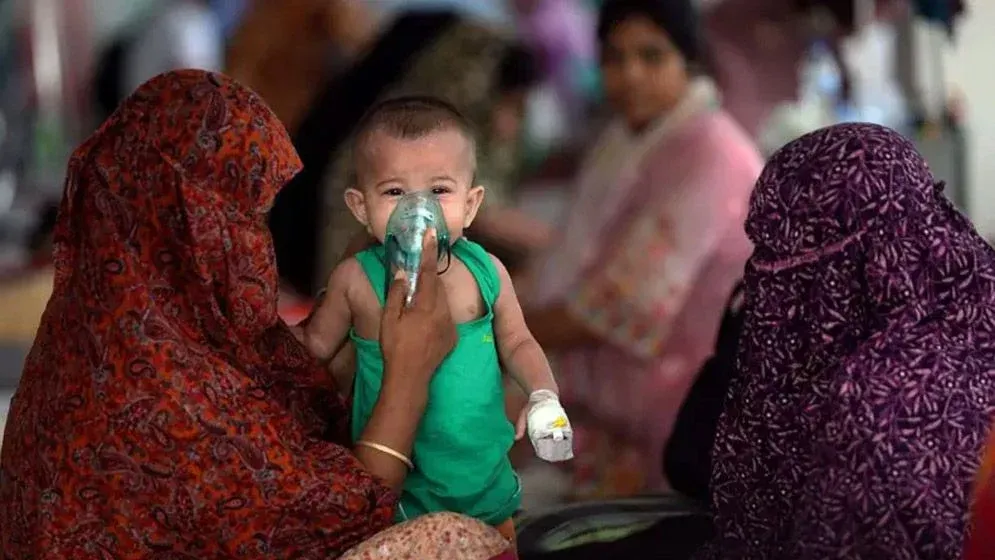
Eight more patients exhibiting measles symptoms have died in Bangladesh over the past 24 hours, bringing the combined toll from confirmed and suspected cases to 1,122 this year. All eight latest fatalities occurred in the capital, according to the health bulletin released on Saturday (3 October) by the Directorate General of Health Services (DGHS).
The latest figures highlight a growing strain on the national healthcare network, with 1,153 new patients admitted to hospitals across the country during the same reporting period. Dhaka Division recorded the highest concentration of fresh admissions at 444, followed by Chittagong with 224, Sylhet with 158, and Barisal with 138. Meanwhile, Khulna registered 73 new hospitalisations, Mymensingh 49, Rangpur 39, and Rajshahi 24.
Since tracking began on 15 March, total fatalities stand at 102 from lab-confirmed measles and 1,020 from suspected symptoms. Official surveillance data shows that 1,95,197 suspected cases have been logged nationwide over this period, with 21,666 cases formally confirmed as measles through medical evaluation and laboratory testing.
Hospital records reflect both the heavy influx of patients and steady recovery rates. Out of 1,73,024 symptomatic patients admitted to medical centres since mid-March, 1,67,756 have successfully recovered and been discharged. However, thousands continue to require inpatient care as daily hospitalisations remain elevated.
The DGHS maintains a dual tracking system that separates laboratory-confirmed deaths from those presenting severe measles symptoms. This distinction ensures rigorous epidemiological data, as symptomatic deaths require further clinical verification before being classified as confirmed measles mortality.
Measles is a highly contagious airborne disease that spreads rapidly through respiratory droplets. Young children remain particularly vulnerable to severe complications, including high fever, skin rashes, pneumonia, and severe dehydration. Public health authorities continue to monitor the outbreak closely, advising parents to seek immediate medical attention at the first appearance of symptoms to prevent critical complications and ease the pressure on hospital care facilities.