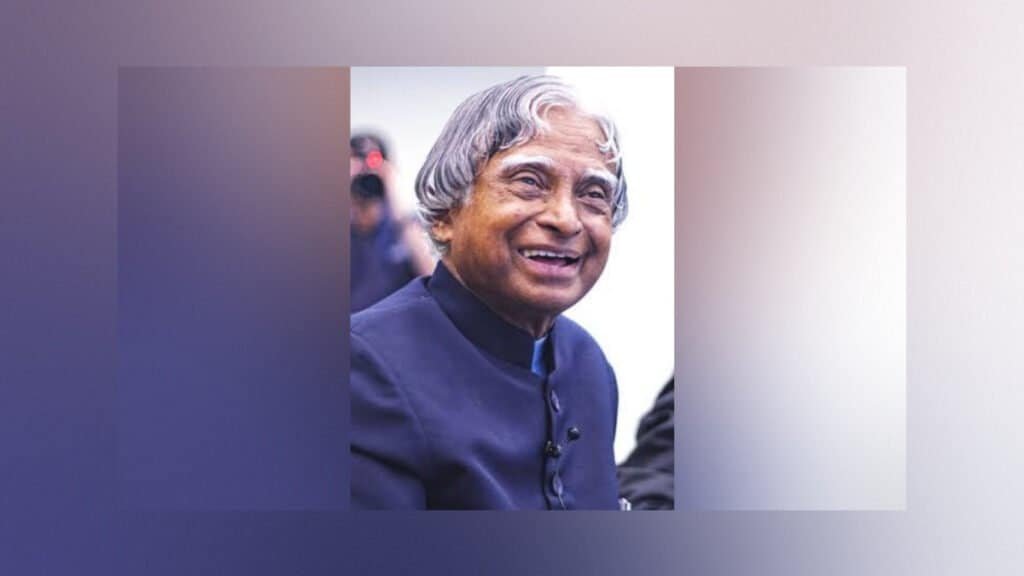
Faruk Bhuiyan, a prominent Bangladeshi folk singer, lyricist, and composer whose evocative melodies immortalised the culture of northern Bangladesh, has passed away at the age of 60. He breathed his last at approximately 6:00 am on Wednesday, 14 October, whilst undergoing treatment for a cardiac ailment at Rangpur Medical College Hospital. His sudden demise has cast a deep pall of gloom over the cultural landscape of Nilphamari and the broader northern region.
Born on 24 February 1966 in Harowa village under Nilphamari Municipality, Bhuiyan was the youngest of four sons born to the late Abdul Gani Bhuiyan, a local merchant. From an early age, he demonstrated an innate passion for regional music, eventually becoming an enlisted artist with Bangladesh Television (BTV). Across a career spanning over three decades, his work remained deeply rooted in the soil, capturing the daily lives, struggles, and hospitality of northern Bangladesh through authentic local dialects.
Bhuiyan etched his name into the hearts of millions with his iconic anthem, ‘Bangladesher Mainshigila Tomak Deoshong Nimonthoron, Nilphamari Ekbar Bere Jao’ (You are invited, people of Bangladesh; visit Nilphamari at least once). Authored by Bhuiyan himself and tuned by the legendary Bhawaiya maestro Mahesh Chandra Ray, the track debuted in 1989 on BTV’s popular magazine show ‘Antaranga’. Celebrating local traditions, culinary heritage, and warm hospitality, the piece quickly transcended regional boundaries to become an enduring symbol of Nilphamari’s cultural identity.
Beyond his signature song, Bhuiyan earned widespread acclaim for folk compositions such as ‘Hazra Bibir Kandon Shunle Dukkhe Koilja Jay Fati’ and ‘Dewana Dewana Ami Dewana Hoilam Re, Achir Babar Lagi Ami Dewana Hoilam Re’.
His contributions extended far beyond his own vocal performances. A passionate champion of musical heritage, Bhuiyan established the Firoz Shai and Pilu Momtaz Smriti Sangsad to honour the legacy of the late pop legends. For a quarter of a century, the organisation actively recognised veteran cultural figures while bridging the gap between generations. On 29 August this year, Bhuiyan spearheaded the silver jubilee celebrations of the forum at the Nilphamari Shaheed Minar—a testament to his lifelong dedication to the arts.
Even in his final days, Bhuiyan remained devoted to the stage. His last public performance took place on the evening of 6 October at the Radisson Blu Hotel in Dhaka, where he rendered timeless folk classics before an appreciative audience.
According to family sources, Bhuiyan suffered a severe cardiac arrest on Tuesday evening and was initially rushed to Nilphamari General Hospital. As his condition deteriorated, he was transferred to the coronary care unit of Rangpur Medical College Hospital, where he ultimately succumbed. He is survived by his wife and two daughters.
Following his Namaz-e-Janaza at the Nilphamari College Station Adarsha High School ground on Wednesday evening, he was laid to rest at the Nilphamari Municipal Central Graveyard. With his passing, the nation loses a rare custodian of regional folk traditions whose music will continue to resonate in the collective memory of the region.