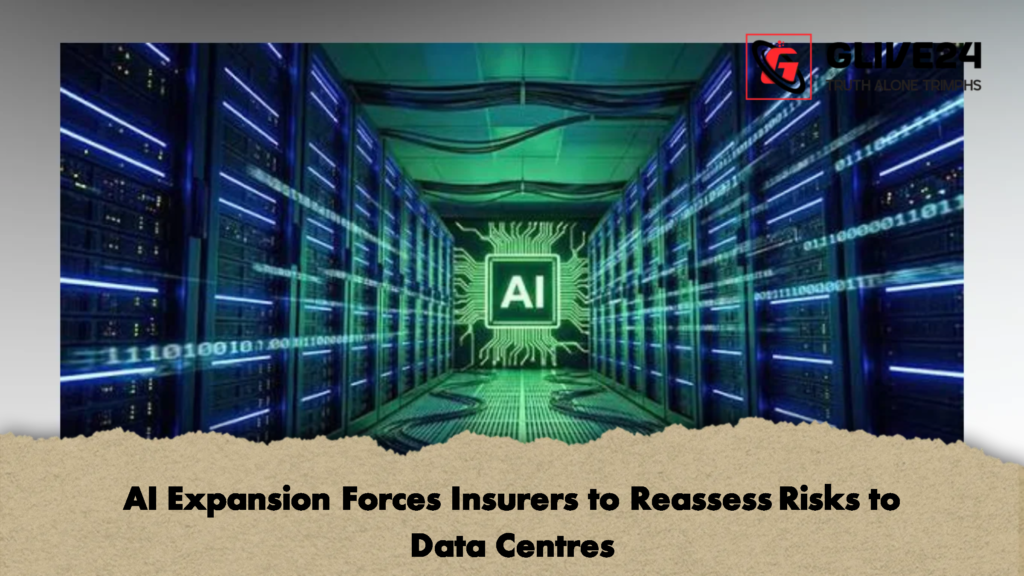
Rapid growth in artificial intelligence capabilities is on track to nearly triple global data centre power consumption by 2030, forcing the global insurance industry to fundamentally rethink how it underwriters facilities facing grid strain, climate risks, and specialized equipment hazards.
As technology firms expand hyperscale infrastructure to support intensive machine learning models, power grid availability has emerged as a primary bottleneck. Terence Williams, Head of Commercial Risk for the Asia-Pacific region at Aon Plc, noted in an August statement that “power availability and energy resilience have become leading concerns as data centre facilities hyperscale,” highlighting that AI demand could drive a 165% surge in data centre electricity consumption over the next six years.
To work around national grid constraints, developers are increasingly constructing microgrids, hybrid energy systems, and large-scale battery energy storage systems (BESS) on site. However, these solutions introduce new operational vulnerabilities. Williams warned that localized generation and storage increase the likelihood of electrical fires, premature component breakdowns, and maintenance failures, while higher computing density simultaneously drives up cooling requirements, thermal loads, and overall hardware asset values.
Escalating Insurance Limits and Regional Climate Hazards
In response to rising replacement costs and complex site hazards, Aon expanded the underwriting capacity of its Data Centre Lifecycle Insurance Program from $3.5bn to $5bn. The program evaluates risks across every phase of development, from early architectural design and construction through to off-grid power generation and active facility management.
Beyond power grid vulnerabilities, physical climate exposure is playing a growing role in site selection and insurance pricing across the Asia-Pacific region, according to an August report by industrial insurer HDI Global SE.
Tokyo, one of the region’s main data centre hubs, faces compound risks from severe earthquakes, local flooding, and typhoons capable of delivering wind speeds up to 200 kilometres per hour. Climate projections indicate that severe heatwaves and intense rainfall will become more frequent in the area, further straining infrastructure.
Long-term climate modeling cited by HDI Global suggests that key markets such as Mumbai and Singapore could experience more than 200 days per year with ambient temperatures exceeding 35°C between 2081 and 2100. Sustained high temperatures put severe pressure on both liquid and air cooling systems, elevating the risk of server overheating and costly operational downtime.
Enhanced Structural Requirements for Expanding Markets
HDI Global warned that standard commercial building codes fail to provide adequate protection against future climate conditions for high-density facilities. The insurer recommends that developers incorporate specialized engineering measures to secure coverage, such as:
-
Emergency roof overflow drainage to prevent structural overload during heavy rainfall.
-
Raised floor designs and elevated critical equipment to mitigate internal and surface flood damage.
-
Dedicated floor drainage channels to handle coolant or water leaks quickly.
-
Physical fire and water containment barriers to stop localized incidents from spreading across server halls.
As operators move beyond prime metropolitan areas into secondary cities in search of available land and electricity, both Aon and HDI Global expect underwriters to demand rigorous assessments of local grid reliability, water availability for cooling, structural resilience, and local emergency response plans before providing coverage.