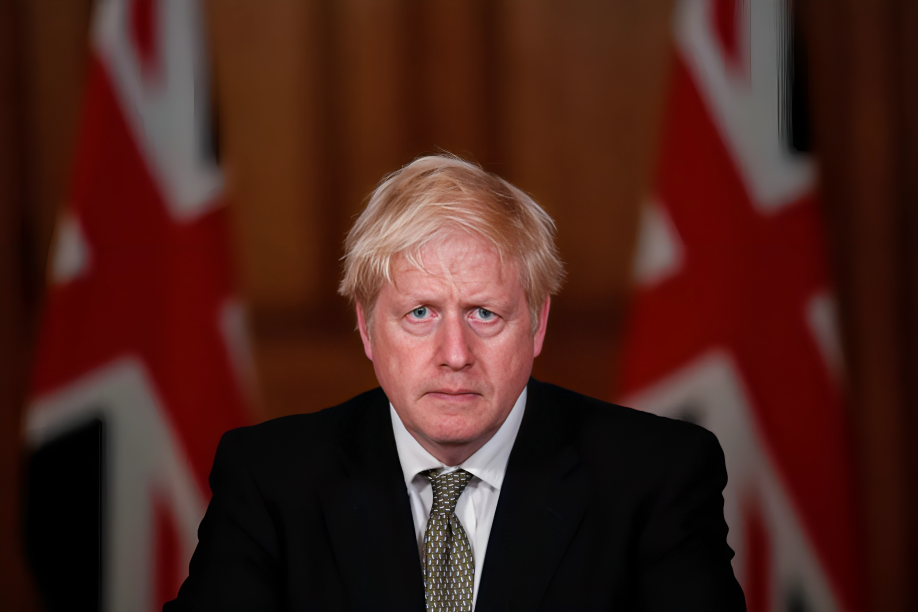
Embattled British Prime Minister Boris Johnson is braced for a stormy reception in the House of Commons this Wednesday, marking his first appearance before lawmakers since narrowly surviving a bruising internal leadership challenge.
Mr Johnson managed to fend off a no-confidence vote orchestrated by his own Conservative backbenchers, securing 211 votes against 148. While his allies have rushed to frame the 211-to-148 outcome as a decisive win, political analysts and critics point out that more than 40 percent of his parliamentary party actively voted to remove him. This scale of internal rebellion leaves his administration deeply vulnerable as it navigates persistent fallout from the lockdown-breaking gatherings at Downing Street, commonly referred to as “Partygate.”
Supporters within the Conservative ranks are expected to stage a vocal show of support during the weekly Prime Minister’s Questions. Yet, seasoned observers warn that the crisis is far from over. The proportion of Tory MPs turning against the prime minister surpasses the dissent recorded during the final days of both Margaret Thatcher and Theresa May before their eventual downfalls. Former party leader William Hague noted in a recent column that the margin reflects an unprecedented level of rejection for a surviving leader, urging Mr Johnson to consider an honourable exit to spare the party further turmoil.
To regain political momentum, Downing Street is preparing a major policy speech addressing the escalating cost-of-living crisis that is currently squeezing British households. Ministers hope that shifting public focus back onto economic support and domestic policy will help drown out the ongoing noise surrounding executive integrity and public trust. However, the prime minister faces an uphill battle to restore credibility among voters, particularly with two critical Westminster by-elections looming later this month and a parliamentary inquiry investigating whether he deliberately misled the House over Downing Street gatherings.
Discontent within parliamentary ranks shows little sign of abating. Reports suggest that rebel MPs are formulating a strategy of legislative disruption—often dubbed vote strikes—to hinder government business, mirroring tactics deployed during the twilight of Theresa May’s premiership. Meanwhile, opposition parties have seized upon the government’s fractured state. Liberal Democrat leader Ed Davey has pressed for a formal parliamentary no-confidence motion, arguing that MPs must be given the opportunity to remove the prime minister entirely. While a full parliamentary defeat remains unlikely given the current Conservative majority, the coming months promise a grueling war of attrition for Downing Street as restless backbenchers weigh future challenges to party rules.
For a closer look at the immediate aftermath and media coverage of the ballot, you can watch Boris Johnson’s confidence vote coverage and parliamentary reactions. This broadcast provides comprehensive archive footage and expert analysis regarding the parliamentary fallout and the close tally of the leadership vote.