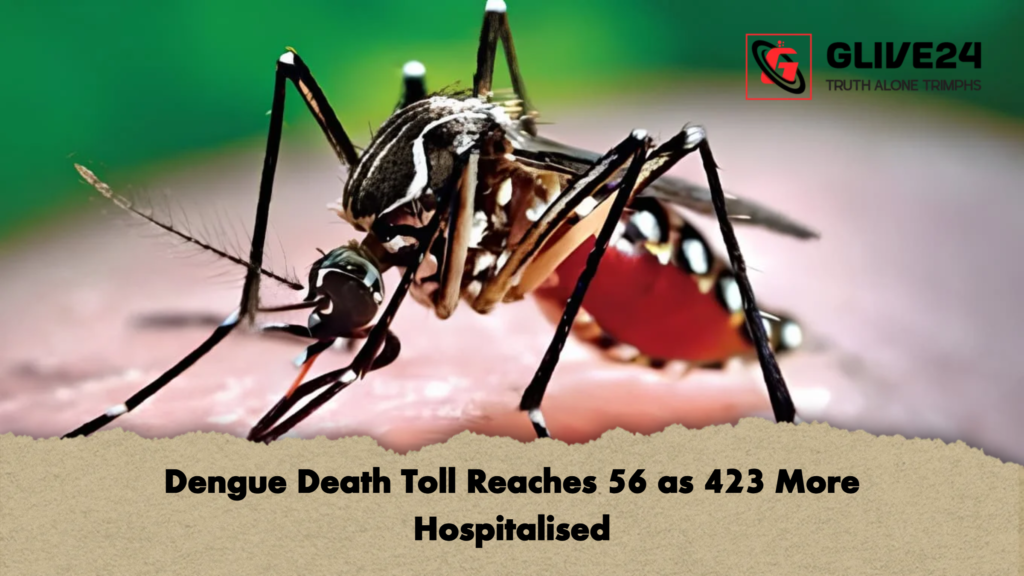
Bangladesh recorded two more dengue deaths in the past 24 hours, while 423 patients were admitted to hospitals with the mosquito-borne disease, according to the latest figures released by the Directorate General of Health Services (DGHS).
The two deaths were reported from Barishal and Khulna divisions, with one fatality recorded in each division. The latest figures highlight the continuing health burden posed by dengue as infections rise across the country.
A statement issued by the DGHS on Sunday said the number of dengue cases recorded since January has now reached 16,104. With the two latest fatalities, the number of people who have died from the disease in Bangladesh since the beginning of the year has risen to 56.
The 423 new hospital admissions reported over the latest 24-hour period also indicate sustained pressure on healthcare facilities dealing with dengue patients. While many people infected with dengue recover with timely medical care, severe cases can develop serious complications and require hospital treatment.
Dengue is transmitted primarily by the Aedes mosquito, which commonly breeds in stagnant water collected in containers and other places around residential and urban areas. The risk of transmission can increase when mosquito breeding sites are not regularly removed, particularly during periods of rain and high humidity.
Health authorities have repeatedly stressed the importance of preventing mosquito breeding and seeking medical attention when warning signs appear. People with suspected dengue are generally advised to remain alert to symptoms such as persistent high fever, severe headache, body and joint pain, nausea and unusual weakness. More serious symptoms require prompt medical assessment.
The latest figures come as dengue continues to affect communities in different parts of Bangladesh. The deaths reported from Barishal and Khulna divisions also show that the disease is not confined to a single region, underscoring the need for sustained prevention and surveillance efforts across the country.
Authorities continue to monitor the situation through regular updates on infections, hospital admissions and deaths. For the public, eliminating stagnant water around homes and workplaces, maintaining personal protection against mosquito bites and seeking appropriate medical care remain important measures in reducing the risk of dengue-related illness.