Measles infections and fatalities linked to measles-like symptoms continue to rise across the country, with four more deaths recorded over the past 24 hours. The latest figures bring the combined annual death toll from confirmed measles and suspected cases to 1,299.
According to the regular health bulletin issued by the Directorate General of Health Services (DGHS) on Thursday, 12 November, 105 people have died from confirmed measles this year, while another 1,194 fatalities occurred among patients displaying symptoms of the disease.
During the 24-hour reporting window starting at 8:00 am on Wednesday, two of the four fatalities were recorded in the Sylhet division. Over the same period, hospitals across the country admitted 1,541 new patients presenting with measles or related symptoms.
| Metric / Category | Recorded Figure |
| New deaths with measles symptoms (24 hours) | 4 |
| Total deaths from confirmed measles (this year) | 105 |
| Total deaths with measles symptoms (this year) | 1,194 |
| Combined death toll (confirmed and symptomatic) | 1,299 |
| New hospital admissions (24 hours) | 1,541 |
| New admissions in Dhaka division | 638 |
| New admissions in Chattogram division | 269 |
| New admissions in Sylhet division | 229 |
| New admissions in Mymensingh division | 114 |
| New admissions in Barishal division | 106 |
| New admissions in Khulna division | 84 |
| New admissions in Rangpur division | 58 |
| New admissions in Rajshahi division | 43 |
| Total hospitalised with symptoms (15 March – 12 November) | 218,075 |
| Total patients discharged after treatment (15 March – 12 November) | 209,207 |
| Total suspected measles cases (15 March – 12 November) | 244,291 |
| Total confirmed measles cases (15 March – 12 November) | 24,880 |
Divisional admission data shows that Dhaka recorded the highest number of new inpatient cases, with 638 patients admitted in a single day. Chattogram followed with 269 admissions, while Sylhet logged 229. Elsewhere, 114 patients were admitted in Mymensingh, 106 in Barishal, 84 in Khulna, 58 in Rangpur, and 43 in Rajshahi.
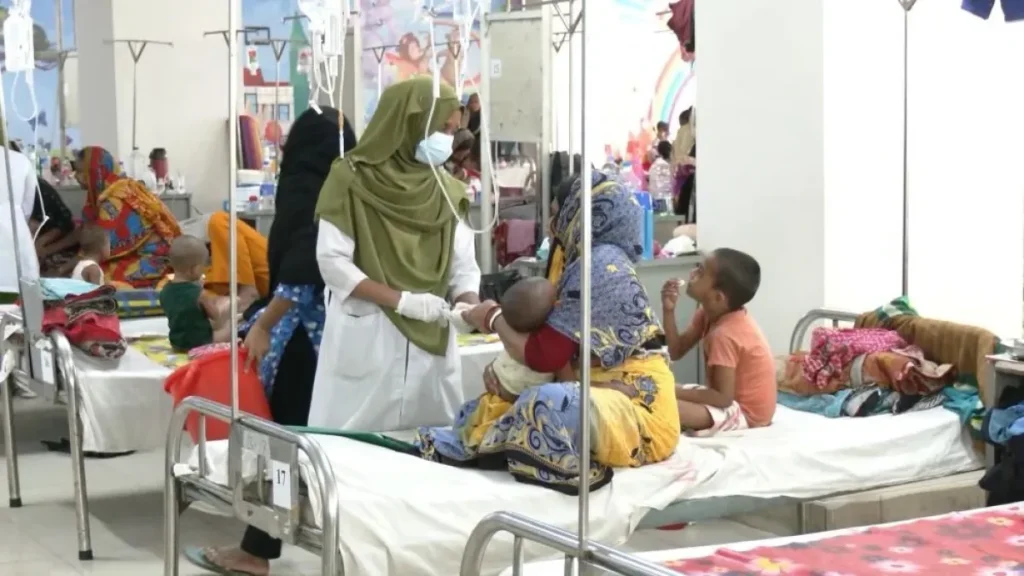
While these figures highlight significant pressure on healthcare facilities in Dhaka, Chattogram, and Sylhet, hospital admissions alone do not capture the full scale of transmission. Health experts note that individuals experiencing mild symptoms who do not seek inpatient care remain outside official hospital counts.
Broader surveillance data from the health directorate illustrates the sustained impact of the outbreak. Between 15 March and 12 November, a total of 218,075 patients have been admitted to hospitals nationwide with measles symptoms. Of those, 209,207 have recovered and been discharged following treatment. Despite this high recovery rate, persistent daily admissions and ongoing fatalities underscore the severity of the public health challenge.
Over the same period, authorities have documented 244,291 suspected measles cases across the country. Laboratory testing has formally confirmed the virus in 24,880 of those patients, distinguishing verified infections from broader symptomatic reporting.
Measles is a highly contagious viral illness transmitted through respiratory droplets when an infected person coughs or sneezes. Common clinical signs include fever, runny nose, cough, red eyes, and a characteristic body rash. Because these early symptoms often mimic other viral infections, medical professionals strongly advise against self-diagnosis or unprescribed medication, urging patients to seek prompt clinical evaluation.
Children remain particularly vulnerable to severe complications. Parents and caregivers are advised to seek immediate hospital care if a child develops a fever accompanied by a rash, breathing difficulties, loss of appetite, or general physical deterioration. Isolating infected individuals from others and adhering closely to guidance from healthcare workers remain vital steps in curbing household and community spread.
Containing the current surge requires rapid case identification, timely clinical management, and heightened public awareness. Upcoming bulletins from the DGHS will be closely watched to track shifts in daily infections, hospital admissions, and mortality trends across the divisions.