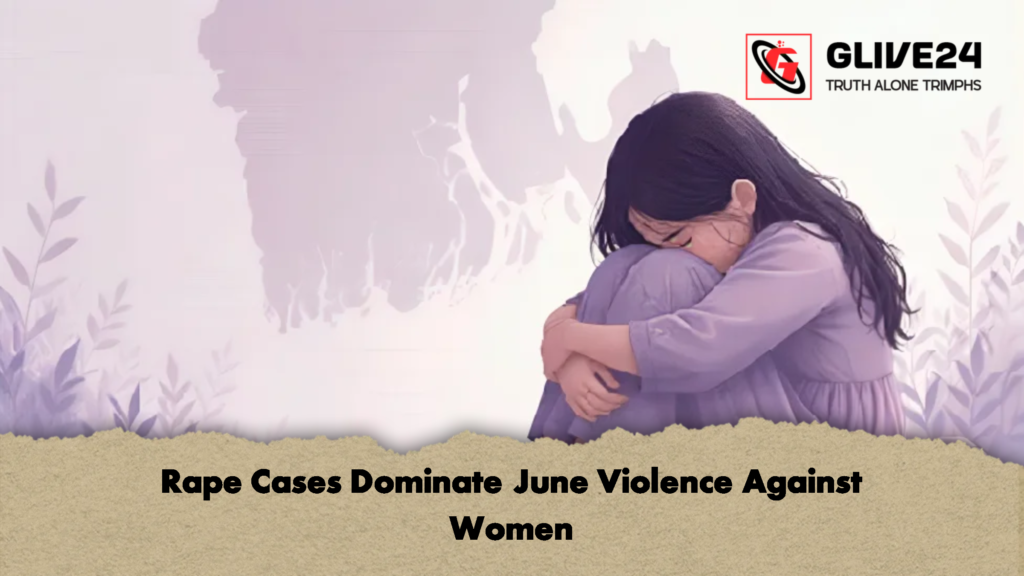
At least 333 women and girls across Bangladesh were subjected to various forms of violence in June, with rape and rape-related offences accounting for the largest share of reported incidents, according to the latest monthly monitoring report published by Bangladesh Mahila Parishad.
The rights organisation’s findings paint a troubling picture of persistent gender-based violence, with girls making up more than half of all victims recorded during the month. The report highlights the continued vulnerability of women and children despite existing legal protections and renewed calls from rights advocates for stronger enforcement of laws and faster access to justice.
Published on Wednesday by the Central Legal Aid Sub-Council of Bangladesh Mahila Parishad, the report was compiled using news reports published in 15 national daily newspapers throughout June. While the organisation notes that its findings are based solely on incidents reported by the media and may not represent the full scale of violence, the data nevertheless provides an indication of the types of abuse affecting women and girls across the country.
According to the report, a total of 333 women and girls experienced violence during the month. Of those, 177 were girls, whilst 156 were adult women, meaning children accounted for the majority of victims.
Rape and rape-related violence emerged as the most frequently reported category of abuse. The organisation documented 100 incidents involving rape or related offences during June. Among the victims were 72 girls and 28 adult women, underscoring the disproportionate impact of sexual violence on children.
The report also recorded 24 victims of gang rape, half of whom were girls. In some of the most disturbing cases, seven girls were killed after being raped. Another girl died by suicide following rape, highlighting the severe psychological trauma that survivors may endure.
Attempted rape also remained a significant concern. Bangladesh Mahila Parishad documented 34 attempted rape cases during the month, with girls accounting for 31 of the victims. The figures suggest that children continue to face heightened risks of sexual violence in a range of settings.
Beyond sexual offences, the report identified numerous other forms of violence affecting women and girls.
A total of 54 women and girls were reported killed for various reasons during June. Adult women accounted for 45 of those deaths, whilst nine girls also lost their lives. In addition, the organisation documented 33 mysterious deaths, where the circumstances surrounding the fatalities remained unclear, as well as 12 reported suicides involving women and girls.
Sexual harassment and other forms of abuse also featured prominently in the monthly data. Altogether, 43 women and girls were subjected to sexual violence outside rape-related offences. Among them, 11 experienced sexual assault, whilst 29 were victims of harassment or eve-teasing.
Physical violence remained another significant issue. Nineteen women and girls were reported to have suffered physical abuse during the month. Dowry-related violence claimed five victims, reflecting the persistence of a long-standing social problem despite legal prohibitions against the practice.
The report also recorded three victims of acid attacks and burn-related violence, offences that often leave survivors with permanent physical and psychological scars. Two women and girls were identified as victims of trafficking, highlighting the continuing threat posed by organised criminal networks that exploit vulnerable individuals.
The findings reinforce concerns frequently raised by women’s rights organisations that gender-based violence remains a widespread challenge requiring coordinated action from law enforcement agencies, the judiciary, policymakers and society as a whole.
Bangladesh Mahila Parishad stressed that existing laws aimed at protecting women and children must be implemented more effectively to ensure meaningful accountability for offenders. The organisation also called for the swift disposal of cases involving violence against women and girls, arguing that lengthy judicial processes can discourage survivors and their families from pursuing justice.
Alongside legal reforms and stronger law enforcement, the organisation emphasised the importance of expanding preventive social initiatives. Public awareness campaigns, community engagement, education on gender equality and stronger child protection measures were identified as essential components of broader efforts to reduce violence.
Women’s rights advocates have long argued that tackling gender-based violence requires more than criminal prosecution alone. They maintain that lasting progress depends on addressing underlying social attitudes, strengthening support services for survivors and ensuring that victims have access to legal assistance, medical care and psychological counselling.
Although the June report is based on incidents covered by national newspapers rather than official crime statistics, it provides another reminder of the scale of violence faced by women and girls across Bangladesh. Rights campaigners say the figures underline the urgent need for sustained institutional action and stronger community-based prevention efforts to ensure greater safety, accountability and justice for victims.