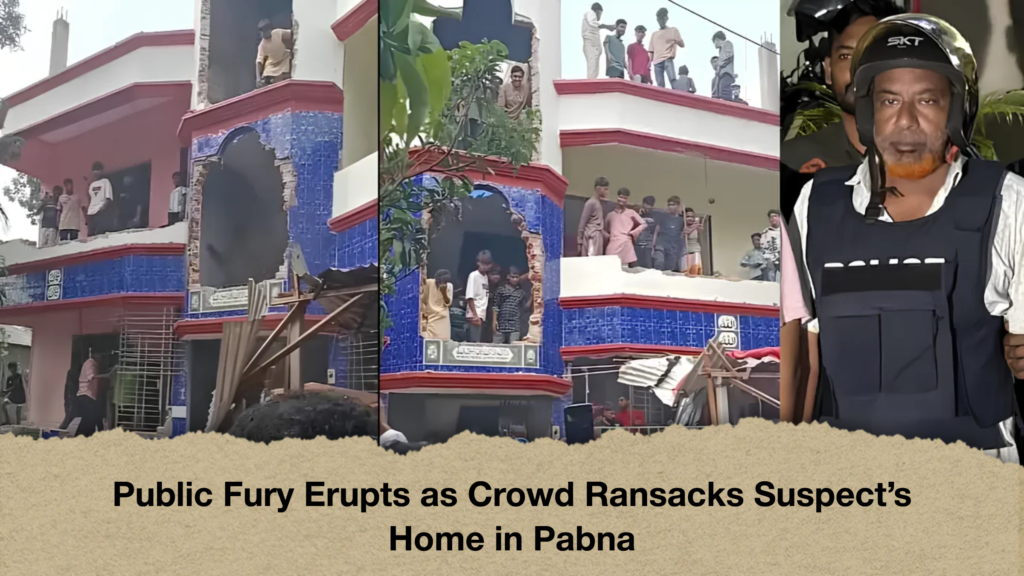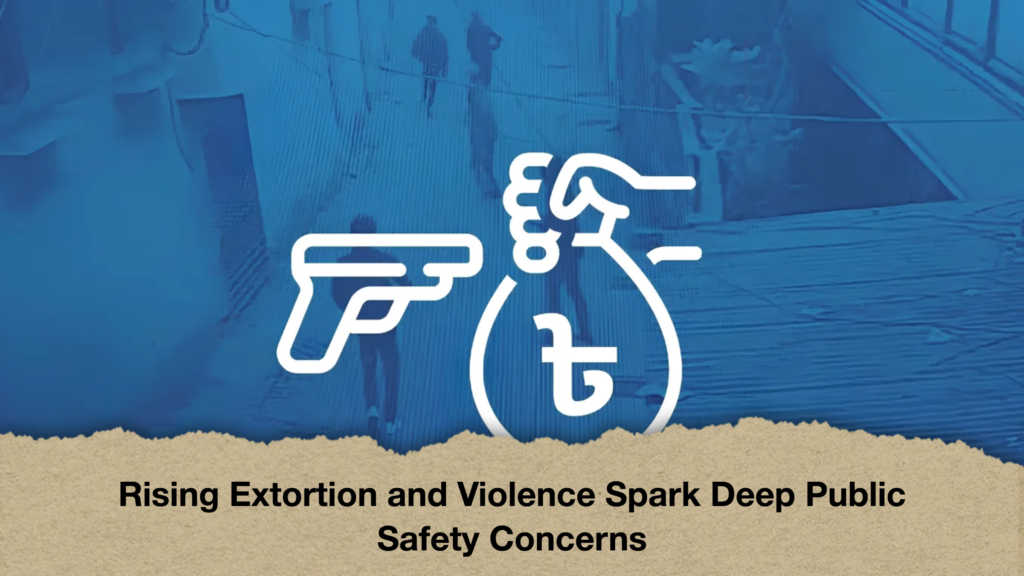
A disturbing wave of extortion-linked violence has gripped communities, leaving citizens questioning their personal safety as refusals to pay protection money increasingly result in brutal assaults, shootings, and fatalities. Recent high-profile incidents across the country have triggered widespread public alarm, prompting urgent demands for intensified law enforcement and comprehensive accountability measures to dismantle criminal syndicates.
Criminologists and former law enforcement officials point out that police raids and temporary crackdowns offer only a short-term remedy. True deterrence requires a fully integrated criminal justice framework encompassing rigorous investigations, robust prosecution, timely judicial proceedings, and strict monitoring of repeat offenders released on bail. Experts stress that unless systemic weaknesses in investigation, prosecution, and offender rehabilitation are addressed, the cycle of extortion will remain unbroken.
The gravity of the crisis was underscored by a series of violent episodes. On Tuesday afternoon, fifteen September, a fish trader named Farhad Hossain was hacked to death inside a salon in the Arshinagar area of Keraniganj. While allegations surfaced that the attack stemmed from unpaid extortion related to street vending in Mohammadpur, police stated that the victim had prior ties to a local adolescent gang and was targeted due to an internal feud. Just two days prior, on thirteen September, unidentified assailants broke into a residence in the Moynarbag Boubazar area behind Hossain Market in Badda, shooting a thirty-five-year-old man named Md Rana. He was rushed to Dhaka Medical College Hospital amidst mounting fears over rampant protection rackets.
In a different yet alarming case, a doctor in Chattogram named M. Y. F. Parvez faced extortion demands when foreign numbers called to request ten lakh taka under the alias of criminal figures ‘Bor Sajjad’ and his associate Rayhan. The caller threatened to shoot him at his chamber if he failed to comply. Parvez recorded a general diary at Hathazari Police Station on three September after his assistant received the menacing phone calls on his appointment line.
Public anxiety has been further compounded by retaliatory threats against individuals taking a stand. Mannan Hossain Shaheen, a local political figure in Mohammadpur, held a press conference at the Crime Reporters Association of Bangladesh on ten September, detailing how he faced physical assaults and subsequent smear campaigns after opposing local extortion syndicates during community patrols and municipal utility work.
Former Inspector General of Police Baharul Alam emphasised that curbing crime demands institutional synergy rather than isolated police actions. He advocated for a permanent, professional prosecution service insulated from political shifts to ensure case integrity and continuous reviews of investigative or judicial failures. Echoing these sentiments, Additional Inspector General of Police Khandaker Rofiqul Islam noted that while police routinely apprehend suspects, many individuals manage to exploit legal loopholes, secure bail, and return to criminal activity. He highlighted that judicial backlogs and systemic bottlenecks outside police purview must be addressed to achieve lasting results.
Meanwhile, Professor Md. Rezaul Karim Sohag, chairman of the criminology department at the University of Dhaka, drew attention to the socio-economic vulnerabilities feeding these criminal networks. He noted that marginalised individuals, particularly at-risk youth and floating populations, are frequently exploited by gangs for extortion and drug peddling. Addressing the root causes—such as unemployment, family instability, and lack of social protection—is vital to closing the pathways that draw vulnerable individuals into violent crime.
As communities grapple with these mounting threats, pressure is mounting on the government and security forces to restore public confidence, ensuring that citizens can work, trade, and live without the constant shadow of extortion and violence.