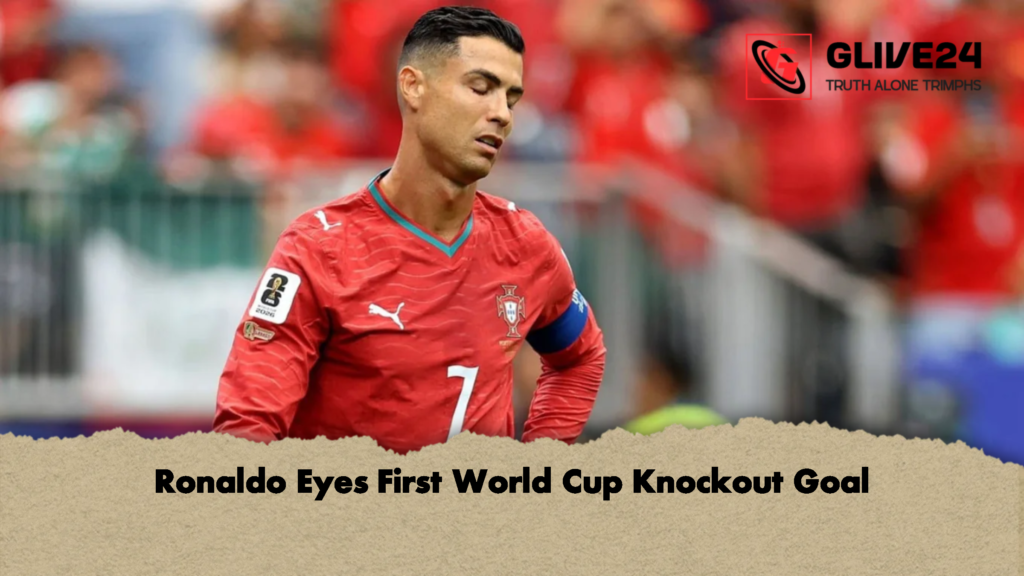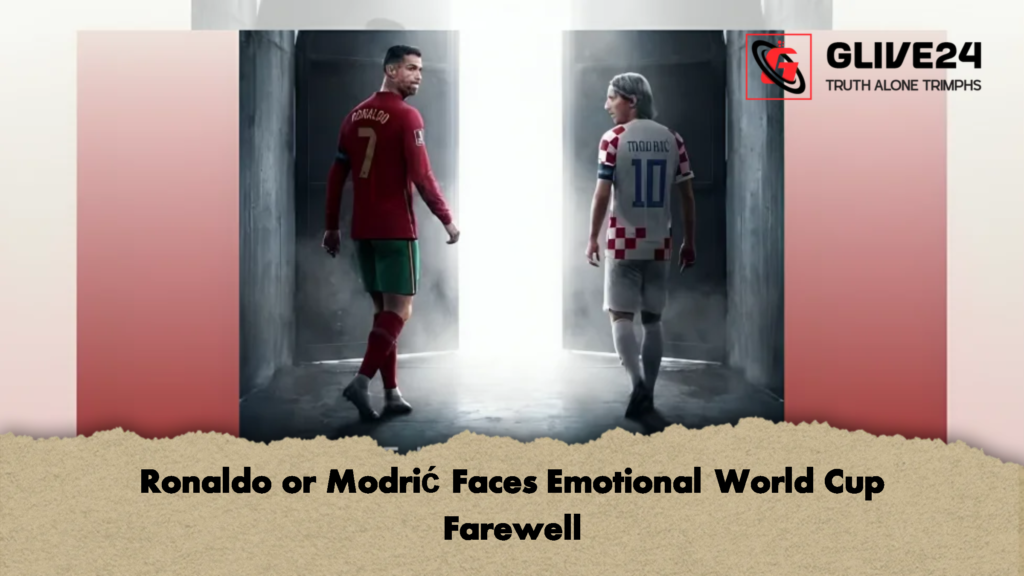
When the final whistle blows, one nation will celebrate a place in the next round while the other will see its World Cup journey come to an end. Yet the significance of Portugal’s Round of 16 clash with Croatia extends far beyond the result on the scoreboard. It could also mark the closing chapter of the international career of one of football’s greatest icons.
For supporters across the world, the match carries a sense of inevitability and emotion. Either Cristiano Ronaldo or Luka Modrić may be making his final appearance at football’s biggest tournament, bringing an extraordinary era closer to its conclusion.
Ronaldo, now 41, and Modrić, approaching his 40th birthday, have both defied age through remarkable fitness, professionalism and determination. While many players of their generation have long since retired from international football, the two veterans continue to lead their countries on the grandest stage, inspiring teammates with their experience and unwavering competitive spirit.
Their meeting also revives memories of one of the most successful partnerships in modern club football.
Between 2012 and 2018, Ronaldo and Modrić were teammates at Real Madrid, playing central roles in one of the Spanish club’s greatest periods of dominance. Together they made 222 appearances and lifted 13 major trophies. Their shared success included four UEFA Champions League titles, two La Liga championships, two Copa del Rey trophies, three FIFA Club World Cups and three UEFA Super Cups.
During those years, Ronaldo’s prolific goalscoring and Modrić’s exceptional vision and creativity complemented each other perfectly, helping Real Madrid establish themselves as Europe’s dominant force. Their partnership became synonymous with sustained excellence and countless memorable nights at the Santiago Bernabéu.
Now, instead of combining to chase silverware, the former teammates find themselves standing on opposite sides with their nations’ World Cup dreams at stake.
Ronaldo has already secured his place among football’s all-time greats. Portugal’s all-time leading scorer has won the UEFA European Championship with his country and holds numerous international records. Yet one prize has continued to elude him throughout his remarkable career—the FIFA World Cup.
For a player who has conquered almost every major challenge in club football, lifting the World Cup remains the ultimate ambition. Success in this tournament would complete an extraordinary legacy and provide the perfect ending to one of the sport’s most decorated careers.
Modrić’s international journey has been equally inspiring, albeit in different circumstances.
Representing a nation of fewer than four million people, the Croatian captain transformed his country’s footballing fortunes by leading the so-called “golden generation” to the 2018 FIFA World Cup final. Although Croatia fell short against France, Modrić’s performances earned him the tournament’s Golden Ball as its best player.
Later that year, he ended the decade-long dominance of Ronaldo and Lionel Messi by winning the Ballon d’Or, recognition of both his individual brilliance and his influence on Croatia’s historic run.
Despite advancing age, Modrić remains the heartbeat of Croatia’s midfield, dictating the tempo with his intelligence, composure and technical excellence. His leadership continues to make him indispensable to the national side.
The knockout stage, however, allows no room for sentiment.
Unlike the group phase, there are no second chances. One team progresses, while the other leaves the tournament. That unforgiving reality means either Ronaldo or Modrić could see his World Cup dream end after this encounter, with questions likely to follow about whether he will continue representing his country.
Football has witnessed countless emotional farewells over the years, but few would carry the same weight as the departure of either of these two modern legends. Their influence extends well beyond statistics and trophies. They have inspired generations of young footballers through their dedication, professionalism and longevity, proving that elite performance can be sustained through relentless commitment.
The emotional impact of the result is therefore likely to stretch far beyond Portugal and Croatia.
Supporters watching from stadium stands, homes and public viewing areas around the world may find themselves momentarily forgetting national loyalties as the match reaches its conclusion. Attention will inevitably turn to whichever captain walks off the pitch knowing his World Cup story has come to an end.
For the victorious side, there will be celebration and renewed hope of lifting football’s most coveted trophy. For the defeated team, there will be heartbreak—and perhaps the realisation that an era has quietly drawn to a close.
The World Cup has always been celebrated for its drama, but it is equally renowned for its cruelty. It rewards only one team while forcing every other dream to end sooner or later. This match embodies that harsh reality.
Whatever the final score, one certainty remains. By the end of the night, football may not simply have witnessed the conclusion of another knockout tie. It may have bid farewell to one of the defining figures of the modern game, making this an occasion remembered as much for its emotion as for its football.