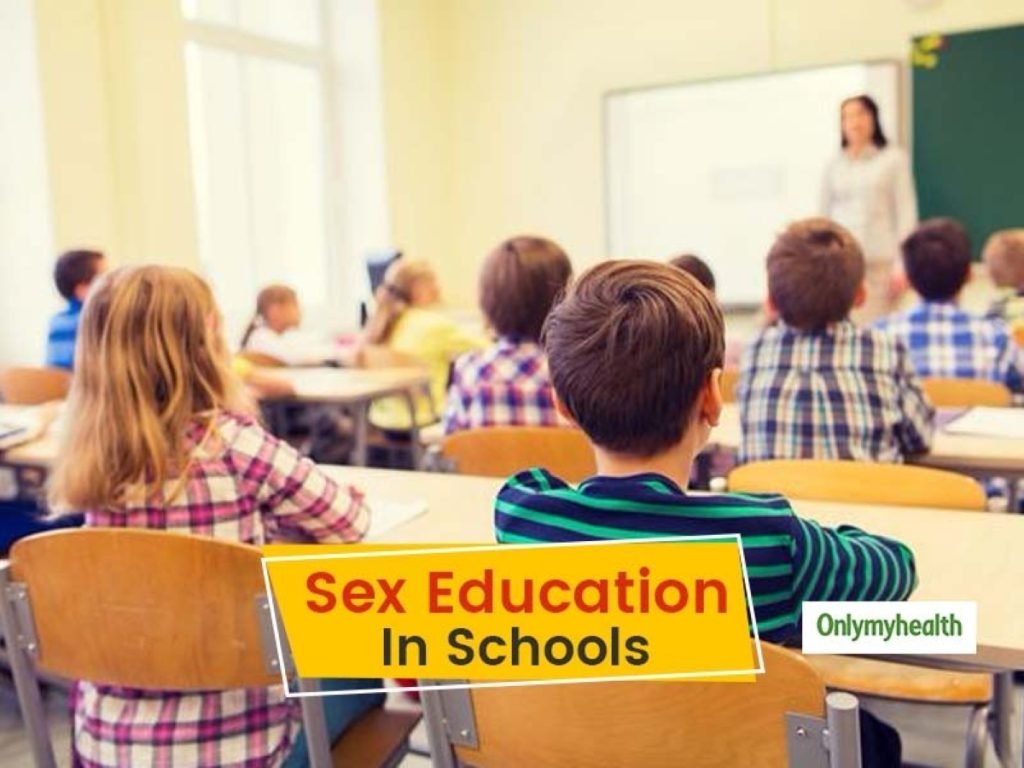
In an education system where students learn about the solar system, global economies, and historical events, why is there resistance to teaching them about their own bodies?
Society has implicitly adopted the belief that certain life lessons do not require structured teaching and that children will somehow acquire them over time. But how? Relying on playground gossip, whispered conversations, or unverified internet searches leaves young minds vulnerable to misinformation. This lack of proper education can have serious consequences, making it imperative for schools to step in with comprehensive sexual education.
Beyond the Basics: What Sex Education Covers
Sexual education is often mistakenly reduced to just discussions on reproductive choices and sexually transmitted infections (STIs). However, a truly comprehensive curriculum includes much more:
| Core Topics | Key Takeaways |
|---|---|
| Human Anatomy & Puberty | Understanding bodily changes and functions |
| Menstruation & Hygiene | Dispelling myths and ensuring health practices |
| Consent & Boundaries | Recognising abuse and respecting others |
| Emotional Well-being | Navigating relationships and self-respect |
| Gender & Media Representation | Analysing stereotypes and social influences |
| Communication Skills | Encouraging respectful interactions |
This knowledge arms young individuals with the ability to differentiate between normal bodily functions and warning signs that require medical attention. It helps them identify inappropriate behaviour and protects them from potential harm.
Battling Misinformation
The absence of structured sexual education perpetuates outdated myths. Do we want children to grow up believing that a woman cannot cook during her menstrual cycle because it will spoil the food? If no one takes the responsibility to correct these misconceptions, young minds remain susceptible to societal misinformation.
The Role of Schools vs. Parental Responsibility
Some argue that sex education should be a parental responsibility. However, in societies with varying literacy rates and conservative values, this approach is unrealistic. Many parents avoid these conversations, leaving their children to seek information elsewhere.
Furthermore, schools often have health education classes, but these lessons are frequently censored due to parental pressure or a reluctance to address sensitive topics. This reluctance leaves students without critical knowledge, increasing their vulnerability to health risks and social exploitation.
The Internet: A Safe Alternative?
Another argument against school-based sex education is that children can learn from the internet. However, this assumption is flawed. According to UNICEF, only 5% of Bangladeshi youth below the age of 15 have regular internet access. Even for those who do, unfiltered content online is not always reliable or age-appropriate.
Moreover, Bangladesh faces a shortage of healthcare professionals, as noted by the World Health Organisation. Many young individuals do not have access to gynaecologists or medical professionals who can provide accurate information. Even when they do, these professionals may reflect conservative societal attitudes, making open discussions on sexual health difficult.
The Consequences of Avoiding Sex Education
When education institutions and families refuse to address these topics, the consequences are severe:
- Increased cases of sexual harassment and abuse – Without knowledge of consent, many young people struggle to identify and report abuse.
- Higher rates of teenage pregnancies and STIs – Ignorance does not prevent risk; education does.
- Perpetuation of gender-based discrimination – Understanding bodily autonomy fosters mutual respect.
Breaking the Taboo
Education is not about shielding children from reality but preparing them for it. Schools have a duty to go beyond teaching that “the mitochondria is the powerhouse of the cell.” They must empower students with knowledge that ensures their safety, autonomy, and well-being. Society must move past its taboos and accept that proper sexual education is a necessity, not an option.