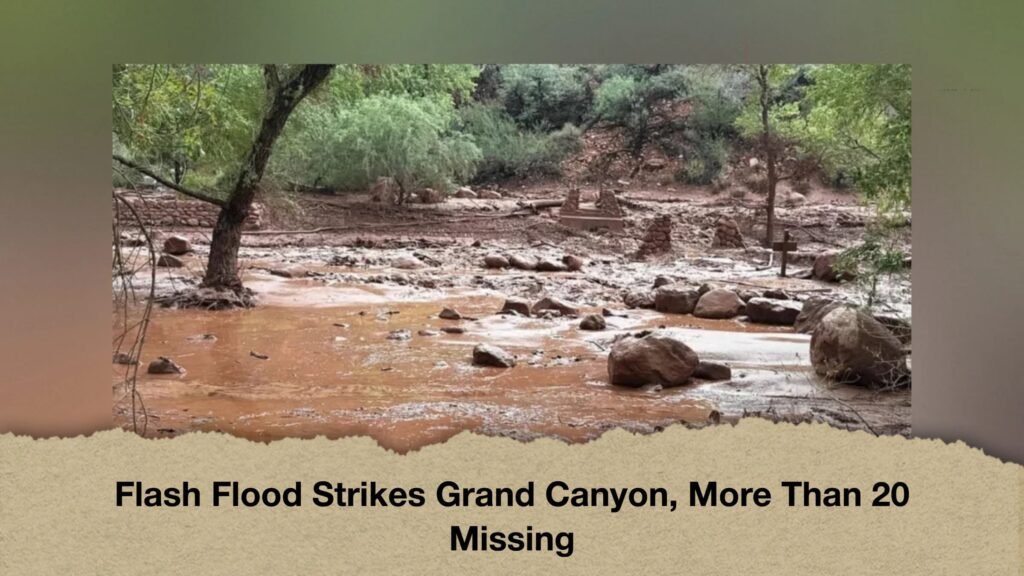
A sudden flash flood swept through parts of the Grand Canyon in the US state of Arizona on Saturday, 29 August, leaving more than 20 people missing or unaccounted for and prompting an extensive search and rescue operation.
Park rangers are searching for those whose whereabouts remain unknown following the flooding in the Bright Angel Canyon and Phantom Ranch areas, according to the National Park Service.
The National Park Service said more than 20 people were reported missing or had not been accounted for after the incident. Authorities have also appealed to members of the public for any information that could help establish the whereabouts of those affected.
Staff from Grand Canyon National Park are working alongside the Arizona Department of Public Safety to evacuate people from the affected areas and rescue hikers who may still be stranded. By Sunday, 62 people had reportedly been evacuated to safety.
The flash flood struck on Saturday afternoon in the remote interior of the Grand Canyon, near the Colorado River. Bright Angel Canyon and Phantom Ranch are popular destinations for hikers and visitors, but their remote location can make emergency access difficult, particularly when severe weather causes sudden changes in water levels.
Trails and bridges severely damaged
The force of the floodwater caused extensive damage to trail infrastructure across the affected areas. Almost all pedestrian bridges over Bright Angel Creek, an important tributary of the Colorado River, were destroyed, effectively preventing hikers from crossing the waterway.
As a result, the National Park Service closed Phantom Ranch, Bright Angel Campground and the entire North Kaibab Trail until further notice. The closures are intended to protect visitors while search operations continue and authorities assess the damage caused by the flooding.
Officials also planned further evacuations from the Cottonwood Campground and Phantom Ranch areas. The park authority urged anyone with information about hikers or backpackers who may still be stranded there to contact officials as quickly as possible.
The incident highlights the particular dangers posed by flash floods in canyon environments. Water can move rapidly through narrow channels, carrying rocks, vegetation, mud and other debris. People hiking far from developed areas may have very little time to respond when conditions change suddenly.
Hikers rescued by helicopter
One hiker, David Gregory, said he had travelled to the area with a small group but was forced to abandon their hiking plans after the flood began.
He said the group could see a fast-moving flow of water carrying a large amount of debris towards them. They were subsequently evacuated by helicopter and taken to a nearby school before being transported to a hotel later that night.
The authorities have also suspended access to two major crossings over the Colorado River, the Black Bridge and Silver Bridge, indefinitely.
Boat traffic and other forms of river travel have also been suspended. Floodwaters carried metal structures and other debris into the river, creating additional hazards for anyone attempting to travel through the affected section.
More severe weather expected
The National Park Service has warned that the weather threat may not have ended. Thunderstorms and heavy rainfall were forecast to continue through Monday, raising concerns about further debris flows and rockfalls in the canyon.
Such conditions could complicate rescue and evacuation efforts while also creating additional risks for visitors and emergency personnel. Authorities are therefore maintaining restrictions in several areas until conditions become safer and the damage can be properly assessed.
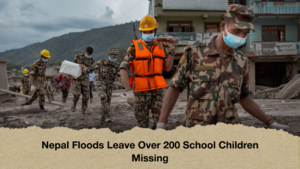
The latest incident comes amid a period of severe weather and flooding in other mountainous regions as well. In Nepal, flash floods and landslides in mountainous areas earlier in the week were reported to have killed more than 750 people, while more than 3,000 remained missing, according to the information provided in the original report.
At the Grand Canyon, however, the immediate priority remains locating those who are still unaccounted for, evacuating anyone stranded in remote areas and preventing further exposure to dangerous weather and unstable terrain.