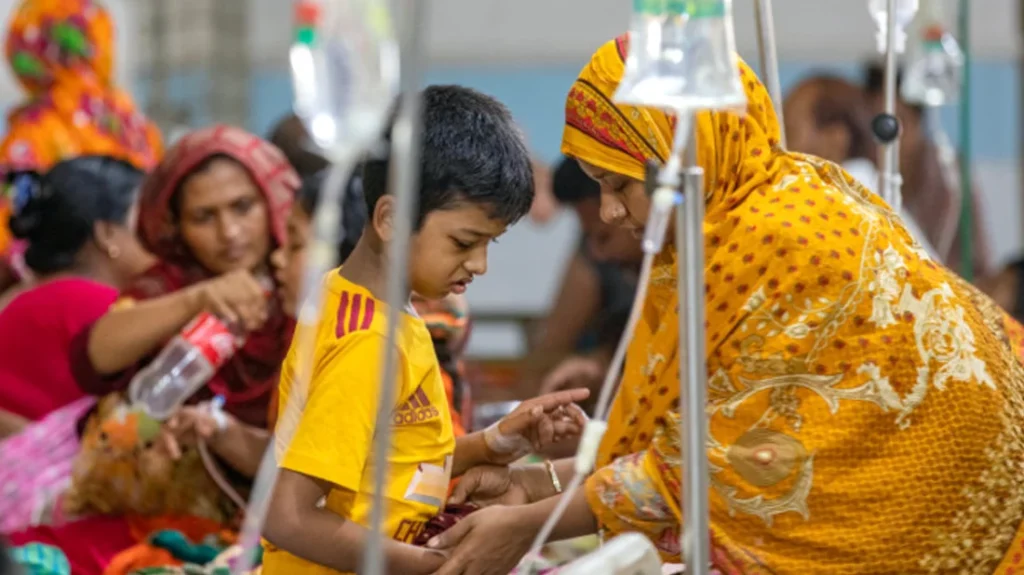
Two more patients have succumbed to dengue fever whilst undergoing treatment at Mymensingh Medical College Hospital (MMCH), taking the total death toll from the mosquito-borne viral infection at the facility to 18 this year.
seasonal outbreaks continue to strain public health infrastructure across Bangladesh, drawing patients from both local districts and neighbouring administrative regions.
The deceased have been identified as Rashida Khatun, aged 42, and Jafar Ali, aged 70. Rashida, a resident of Bhaluka Upazila in Mymensingh district, was admitted to the hospital on the afternoon of 11 September. Doctors reported that her condition deteriorated rapidly despite medical intervention, leading to her death on the evening of 13 September. Her death was primarily attributed to dengue shock syndrome—a severe and potentially fatal complication characterised by circulatory collapse and a sharp drop in blood pressure.
Jafar Ali, hailing from Sreepur Upazila in neighbouring Gazipur district, was admitted to MMCH on the afternoon of 13 September. As his vital parameters worsened, clinicians swiftly transferred him to the Intensive Care Unit. Medical authorities confirmed he passed away early the following morning. Hospital records indicate his primary cause of death as expanded dengue syndrome alongside acute respiratory distress syndrome (ARDS), sepsis, septic shock, and disseminated intravascular coagulation (DIC). Such multi-organ systemic complications underscore the severe risk the virus poses to older demographics and individuals with compromised health.
Pressure on MMCH remains intense as medical staff manage a steady influx of patients requiring specialized care. A total of 55 new dengue patients were admitted to the facility within the last 24-hour cycle, while 58 individuals were discharged following successful recovery. Currently, 131 patients are receiving medical treatment in the hospital’s dedicated dengue wards. Since the beginning of the year, MMCH has recorded a cumulative total of 2,178 admissions linked to the virus.
- The high volume of hospitalisations highlights the persistent threat posed by the Aedes mosquito vector, which breeds prolifically in stagnant water collected during the monsoon and post-monsoon periods. Public health officials emphasize that early clinical diagnosis and fluid management are crucial to preventing severe outcomes like shock and internal bleeding. As admissions remain high, regional health administration continues to monitor bed capacity and resource allocation closely to cope with the ongoing patient load.