There was a time when launching a new musical track in Bangladesh meant magnetic tape cassettes, visits to local record shops, and eager anticipation by the radio or television set. Producing an album required an entire commercial ecosystem, where record labels, recording studios, cassette factories, regional distributors, and retail shop owners operated in tandem. The success of an artist depended heavily on physical sales figures.
Over the decades, that landscape underwent radical transformations. Compact discs briefly claimed the market, only for MP3 file-sharing and online downloads to dismantle physical retail. The rise of mobile telecommunications subsequently unlocked new revenue through ring tones and welcome tunes. Today, YouTube, streaming platforms, and short-form video content on Facebook, Instagram, and TikTok have driven the music business into an entirely new economic reality.
Music is no longer produced solely for listening. It serves as a core component of YouTube videos, streaming platforms, reels, shorts, corporate advertisements, and diverse digital content. Consequently, the mechanisms governing music creation, promotional strategies, revenue generation, and copyright management have shifted from physical album sales to digital presence and intellectual property rights.
The Journey from Magnetic Tapes to Digital Formats
Throughout the 1990s and the early 2000s, audio cassettes represented the most visible physical medium in the Bangladeshi music market. Launching an album involved a fully integrated commercial framework. Production houses collaborated with performers, recordings were completed in professional studios, cassettes were manufactured, and distributors delivered stock to retail outlets nationwide.
This economy directly supported singers, lyricists, composers, music directors, and producers, as well as recording engineers, album cover designers, poster printers, transport workers, and shopkeepers. A successful album not only boosted an artist’s popularity but also maintained the financial viability of an entire industry.
By the early 2000s, compact discs gained rapid popularity, replacing cassettes. However, rapid technological shifts truncated the CD era. The emergence of MP3 files, internet access, and illegal downloads allowed consumers to access vast music libraries instantly, reducing the need to purchase physical albums.
The impact on physical music trade was immediate and severe. Cassette and CD sales plummeted, forcing retail shops across the country to close. Today, the commercial manufacturing of audio cassettes, CDs, VCDs, and DVDs in Bangladesh has effectively ceased.
Monetisation Through Mobile Ring Tones
As the market for physical albums shrank, mobile phones provided an alternative commercial avenue. Using snippets of popular tracks as ring tones or setting them as welcome tunes became a widespread consumer trend.
For the first time, short segments of a track held independent economic value, sparking fresh debates regarding licensing permissions, copyright, and royalties. This market, too, proved temporary. As smartphones and affordable mobile internet became ubiquitous, consumers pivoted from purchasing individual ring tones to listening to music directly on digital platforms.
YouTube Redefines the Music Economy
The expansion of YouTube marked a major structural pivot in Bangladesh’s music economy. In the physical era, the primary goal following a release was album sales. Today, artists and producers evaluate success based on audience view counts and engagement metrics.
Monetisation now relies on view counts, advertising revenue, subscriber bases, Content ID tracking, and brand sponsorships. For major domestic music labels, YouTube has emerged as a crucial revenue stream, while simultaneously offering independent creators direct access to audiences.
Commercial success is no longer defined by physical unit sales, but by view counts, shares, trending duration, and user-generated adaptations. This shift has altered artist strategies. Rather than relying entirely on established record labels, many musicians manage their own YouTube channels, maintaining creative control and retaining a higher share of earnings.
Music as a Long-Term Asset on Streaming Platforms
Alongside YouTube, audio streaming platforms such as Spotify and Apple Music have reshaped the concept of music revenue. Unlike a physical album purchase, a stream does not represent a single transaction; a song generates continuous royalties each time it is played.
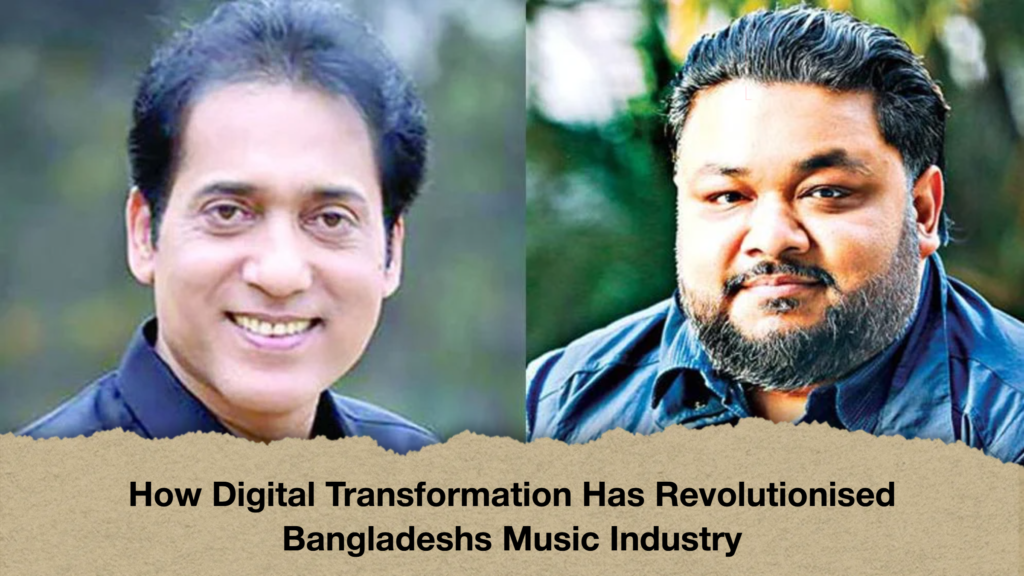
Renowned music director Fuad Almuqtadir has previously highlighted this global shift, noting that music production is no longer confined to traditional studio distribution. Global royalty collection networks allow creators to earn across international borders, while beat stores and digital sample libraries offer additional revenue streams for producers.
However, streaming plays do not translate directly into immediate payouts for creators. Payout distributions depend on complex licensing agreements, copyright ownership, and revenue-sharing terms between artists, songwriters, labels, and aggregators.
Short Videos and the New Definition of a Hit
The fastest transformation in recent years stems from short-form video platforms. Where a hit once required audience engagement with a full three- or four-minute composition, a compelling 15- or 30-second audio clip can now grant a song widespread visibility.
A catchy line, melody, or beat used across Facebook Reels, Instagram, or TikTok can spawn thousands of user-generated videos, which in turn drives traffic back to full tracks on YouTube and streaming platforms. Music now serves as both an audio product and raw material for video creators.
Dhruba Guha, singer and owner of Dhruba Music Station (DMS), has noted that incorporating tracks into Reels and background music creates new earnings opportunities. Widespread use across user videos boosts streaming numbers, while formal licensing and royalty frameworks enable lyricists, composers, performers, and copyright owners to monetise that usage.
This reality influences creative planning during production. Producers increasingly consider which hook is easily quotable, which segment fits short video formats, or which rhythm suits trending video concepts before finalizing arrangements.
Navigating the Digital Royalty Gap
Despite rising digital engagement, establishing a transparent system for royalty distribution remains an ongoing challenge. The Bangladesh Copyright Act 2023 officially recognises copyrights for musical compositions and sound recordings, establishing statutory mechanisms to collect royalties across digital platforms. However, enforcing these provisions systematically remains complex.
A single track may be utilised simultaneously across YouTube, Facebook, Instagram, TikTok, and various audio streaming apps. Tracking usage frequency, identifying rights holders, and disbursing exact earnings across platforms requires robust administrative infrastructure.
During a seminar organized by the Bangladesh Copyright Office titled Intellectual Property Rights in Music: Streaming and Royalty, industry stakeholders discussed the technical difficulties of collecting earnings from digital services. Musical artist Kazi Shuvo emphasised that while tracks are played millions of times across digital channels, the mechanisms for calculating individual entitlements and disbursing funds to original creators require further development.
The music business has evolved from selling physical albums in the cassette era, to selling individual copies on CD, capturing ad revenue on YouTube, and monetising streams and short video hooks today. Ultimately, the evolution of Bangladesh’s music economy reflects a fundamental shift toward intellectual property management.
Future industry dynamics will focus not only on who performed a track, but on who holds the rights, where and how often it is used, and what proportion of generated revenue reaches the original creators. In the modern era, the central asset is no longer just the music itself, but the rights governing its digital use.