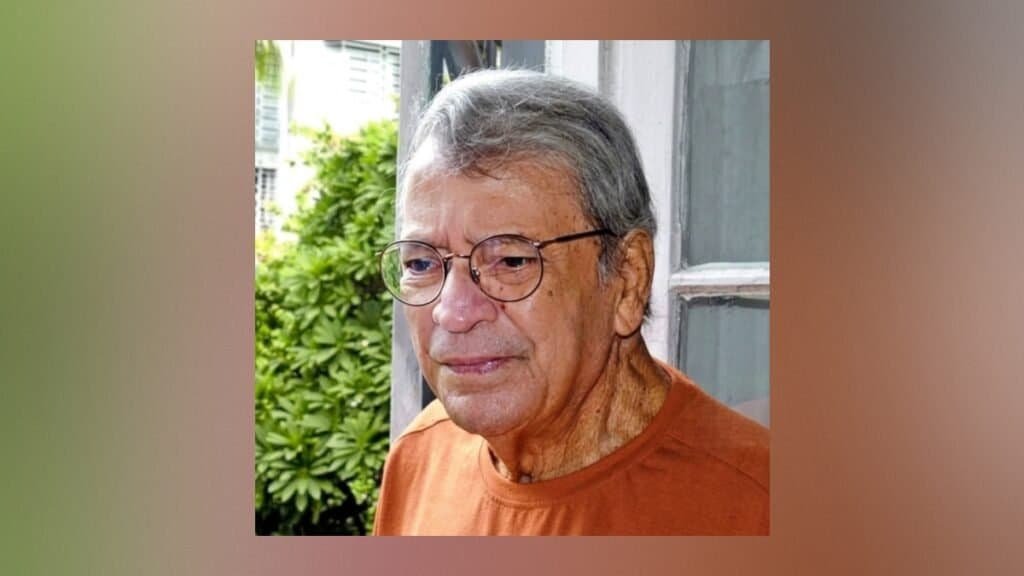
History remembers certain individuals not simply for the positions they occupied or the authority they exercised, but for the roles they played at decisive moments. Their contributions, political judgement and responses to extraordinary circumstances often leave an impression extending far beyond their lifetimes. Siddhartha Shankar Ray, the distinguished Indian lawyer, politician and former Chief Minister of West Bengal, was one such figure whose career remains closely associated with several important chapters in the history of the Indian subcontinent.
For Bangladesh, Ray holds a particular place in the history of the 1971 Liberation War. At a time when the Bengali people were fighting for independence amid widespread atrocities and displacement, he participated in India’s diplomatic efforts to build international understanding and support for their struggle.
His political career was neither free from controversy nor defined solely by achievement. He was an influential administrator and respected legal expert, but his years in government also attracted serious criticism over political violence, electoral irregularities and restrictions on democratic freedoms. Nevertheless, his contribution to international diplomatic initiatives during Bangladesh’s struggle for independence remains an important part of his historical legacy.
Early Life, Family Background and Entry into Politics
Siddhartha Shankar Ray was born on 20 October 1920. His family’s ancestral roots were in Hansara village in present-day Munshiganj district of Bangladesh. He belonged to a family with strong connections to the political history of the Indian subcontinent.
He was the grandson of Deshbandhu Chittaranjan Das, one of the prominent leaders of India’s struggle against British colonial rule. His wife was Maya Ray.
Ray developed a distinguished career in law, earning recognition for his analytical ability, persuasive arguments and command of legal principles. His reputation as a lawyer provided a strong foundation for his subsequent political career.
His entry into politics was associated with Ashoke Kumar Sen, another prominent Indian lawyer and politician. Ray’s political career gained considerable momentum in 1957 when he joined the cabinet of Dr Bidhan Chandra Roy, the then Chief Minister of West Bengal.
The appointment marked an important stage in his emergence as a political leader. Over the following years, he moved beyond regional politics and assumed significant responsibilities at the national level.
His legal knowledge, administrative understanding and ability to address complicated political questions gradually established him as an influential figure within India’s political establishment.
These qualities also helped him develop close working relationships with senior political leaders, particularly Prime Minister Indira Gandhi.
His Contribution to Bangladesh’s Liberation War
The year 1971 remains one of the most consequential and painful periods in Bangladesh’s history. The Bengali population’s demand for political rights and self-determination developed into an armed struggle for independence following the Pakistani military crackdown in East Pakistan.
The military operations launched in March 1971 resulted in widespread killings, persecution and destruction. Millions of people were forced to abandon their homes, while large numbers crossed into neighbouring India in search of safety.
The humanitarian crisis placed enormous pressure on India and brought the situation in East Pakistan to international attention. At the same time, Bangladesh’s struggle for independence became a major diplomatic issue, with different countries adopting contrasting positions in response to the conflict.
India’s political leadership recognised the importance of mobilising international opinion in support of the Bengali people. Prime Minister Indira Gandhi’s government undertook diplomatic initiatives to explain the circumstances of the conflict, highlight the suffering of civilians and seek international understanding of the independence movement.
Siddhartha Shankar Ray was among the political figures involved in these efforts.
According to accounts of his political career, Indira Gandhi assigned him responsibilities connected with diplomatic outreach to several countries and territories, including Thailand, Malaysia, Singapore, Hong Kong, Japan and Australia.
The purpose of these initiatives was to communicate the situation in Bangladesh, draw attention to the actions of the Pakistani military and encourage support for the Bengali people’s struggle for freedom.
Such diplomatic engagement was particularly significant because the international environment was deeply influenced by Cold War rivalries. Major powers differed in their assessments of the crisis, and the political calculations of influential governments complicated efforts to secure a unified international response.
India’s diplomatic campaign sought to ensure that the humanitarian and political dimensions of the conflict received greater international recognition.
Ray’s participation in these initiatives connected his political career with one of the defining events in Bangladesh’s national history.
Bangladesh’s independence was achieved primarily through the sacrifices of its people, the leadership of the liberation movement and the armed resistance of freedom fighters, supported by India’s eventual military intervention. Diplomatic efforts also formed an important part of the broader circumstances surrounding the struggle.
Ray’s contribution should be understood within that wider framework of international engagement and political solidarity.
For Bangladesh, his involvement represents an example of the support extended by Indian political figures during a period when international recognition and understanding were critically important.
Chief Minister of West Bengal: Authority and Political Turmoil
Following Bangladesh’s independence, Ray became Chief Minister of West Bengal in 1972. He remained in office until 1977, governing the state during one of its most politically turbulent periods.
West Bengal was experiencing the consequences of intense ideological confrontation, particularly following the rise of the Naxalite movement. Political violence, clashes between rival groups and disputes over the conduct of the administration created an atmosphere of considerable instability.
Ray’s government faced the difficult task of maintaining law and order while responding to political opposition and growing public concern about violence.
His administration, however, became the subject of serious allegations involving political repression and the treatment of opposition activists.
The West Bengal Legislative Assembly election of 1972 remains among the most controversial episodes associated with his political career.
Opposition parties alleged widespread electoral malpractice, including vote rigging and administrative interference. The Communist Party of India (Marxist), commonly known as CPI(M), strongly questioned the credibility of the electoral process.
Political accounts of the period refer to protests and decisions concerning the withdrawal of candidates amid allegations of irregularities in constituencies including Baranagar.
The disputes surrounding the election contributed to lasting mistrust between the Congress government and its political opponents.
Ray’s administration also faced criticism over allegations of violence against left-wing activists and the suppression of political dissent.
The Kashipur-Baranagar killings became particularly sensitive in discussions of political violence in West Bengal. Questions concerning the role and responsibility of the state administration have remained part of the historical debate.
Critics of Ray’s government argued that the authorities failed to protect political opponents and were implicated in an atmosphere of repression. These allegations became central to assessments of his tenure.
His supporters, by contrast, emphasised his administrative experience, determination and ability to exercise authority during a difficult period.
The competing assessments illustrate the complexity of his years as chief minister. His administration combined political influence and administrative capability with serious controversies concerning electoral integrity, civil liberties and political violence.
A Trusted Associate of Indira Gandhi
Ray maintained a close political relationship with former Indian Prime Minister Indira Gandhi. His expertise in law and constitutional matters made him an important adviser on questions involving government authority and political decision-making.
His association with the declaration of the Emergency in India in June 1975 remains one of the most extensively discussed aspects of his political career.
The Emergency was proclaimed during a period of severe political confrontation. It allowed the central government to impose extraordinary restrictions on political activity and civil liberties.
Opposition leaders were arrested, the press faced censorship and democratic freedoms were significantly curtailed.
Ray’s advice in the constitutional and political discussions preceding the Emergency has been the subject of considerable historical examination.
The period remains deeply controversial in Indian political history because of its consequences for democratic institutions, political opposition and individual rights.
The Emergency ended in 1977, and the subsequent general election brought a major defeat for the Congress party.
The electoral outcome marked a turning point in Indian politics, demonstrating the extent of public dissatisfaction with the government’s actions during the preceding period.
Ray’s connection with the Emergency remains an important element in any balanced assessment of his career. Although widely respected for his legal knowledge, his involvement in discussions surrounding such a contentious decision continues to attract criticism.
‘Manuda’ and the Changing Course of Politics
Within political and personal circles, Siddhartha Shankar Ray was affectionately known as ‘Manuda’.
His long career took him through periods of political authority, internal party disagreements and changing relationships with rival political organisations.
While serving as chief minister, he was associated with an initiative to establish the Wanchoo Commission to investigate allegations of corruption involving members of his cabinet.
The episode became one of the notable aspects of his administration, reflecting the political disputes and questions of accountability that characterised the period.
Ray also experienced differences with the Congress leadership. At one stage, he left the party and established a political organisation known as the New Congress.
His changing political affiliations reflected the shifting alliances and internal tensions that shaped Indian politics during the decades following independence.
Despite these developments, he continued to command attention because of his political experience, legal expertise and connections within national political circles.
His relationship with veteran communist leader Jyoti Basu also attracted considerable interest.
Basu, a senior CPI(M) politician who later served as Chief Minister of West Bengal for more than two decades, represented a political tradition fundamentally opposed to that of Ray.
The two leaders were political rivals, often positioned on opposing sides of major debates in West Bengal.
Yet accounts of their relationship also refer to personal cordiality despite their ideological differences.
This distinction between political competition and personal interaction reflected a feature of public life in which opposing leaders could maintain a degree of mutual respect outside formal political confrontation.
A Distinguished Career in Law
Although Ray is widely remembered for his political activities, his achievements as a lawyer formed an equally important part of his professional identity.
He was recognised for his command of legal principles, intellectual confidence and ability to construct persuasive arguments.
His reputation extended to India’s higher courts, where his legal expertise earned him considerable professional recognition.
His knowledge of constitutional and administrative law was particularly relevant to his political career. Questions concerning governmental authority, the interpretation of constitutional provisions and the relationship between public institutions frequently required legal judgement.
Ray’s experience enabled him to approach such matters from both legal and political perspectives.
His analytical skills also contributed to his reputation as a capable speaker and a formidable participant in political discussions.
Those who knew him described a man with wide-ranging interests and a willingness to engage in lengthy conversations about law, politics, administration and international affairs.
He was known for his confidence, intellectual curiosity and ability to examine complicated issues from different perspectives.
Away from public office, he was regarded as sociable and approachable. He also maintained an interest in sport.
These personal characteristics formed part of the broader reputation of a figure whose influence extended beyond government and party politics.
A Political Legacy of Achievements and Disputes
Siddhartha Shankar Ray died on 6 November 2010 at the age of 90.
His death marked the passing of an influential Indian politician, experienced administrator and distinguished legal professional whose public career had extended across several important periods of the country’s modern history.
His political legacy remains difficult to define through a single judgement.
His involvement in diplomatic initiatives supporting Bangladesh’s Liberation War represents an important contribution to the international political efforts surrounding the struggle for independence.
At the same time, his years as Chief Minister of West Bengal continue to be examined in relation to allegations of political violence, electoral malpractice and the treatment of opposition groups.
His association with Indira Gandhi’s Emergency adds another controversial dimension to his career.
A fair assessment of Ray’s historical significance must therefore acknowledge both his contributions and the criticisms surrounding his political decisions.
His achievements in law and administration cannot erase the controversies associated with his government. Equally, those controversies do not remove the historical importance of his involvement in diplomatic efforts supporting Bangladesh in 1971.
Political history is rarely a simple record of entirely admirable or wholly objectionable figures. The lives of influential leaders often contain difficult contradictions, requiring careful consideration of their actions within the circumstances of their time.
Ray’s career provides a particularly clear example of this complexity.
Remembering His Support for Bangladesh
For Bangladesh, the most meaningful chapter of Siddhartha Shankar Ray’s political life remains his involvement in the diplomatic campaign supporting the Liberation War.
The struggle for independence was not simply a conflict over territory. It was a movement for political self-determination, cultural identity, linguistic dignity and the right of a people to determine their own future.
The Bengali population endured extraordinary suffering in pursuit of those objectives. The sacrifices of freedom fighters, civilians and political leaders formed the foundation of Bangladesh’s independence.
International support, particularly from India, also played a significant role in shaping the political and diplomatic environment surrounding the conflict.
Indian political leaders, intellectuals, journalists, artists and ordinary citizens expressed solidarity with the Bengali people during the war.
Their contributions took different forms, ranging from humanitarian assistance and political advocacy to diplomatic engagement.
Ray’s participation in efforts to explain Bangladesh’s situation to international audiences was part of this broader history of solidarity.
His role deserves recognition without overlooking the complicated and sometimes controversial nature of his wider political career.
Remembering those who supported Bangladesh during its struggle for independence is also a way of preserving the international dimension of the country’s history.
Such remembrance should remain grounded in historical evidence and a balanced understanding of the individuals concerned.
Siddhartha Shankar Ray’s life demonstrates that political influence can produce both lasting achievements and difficult questions. His career encompassed distinguished legal work, important administrative responsibilities, controversial political decisions and participation in diplomatic initiatives connected with Bangladesh’s independence.
On the anniversary of his birth, his contribution to the international campaign supporting the Bengali people’s struggle offers a meaningful reason to revisit his place in history.
For Bangladesh, he remains a noteworthy Indian political figure who helped communicate the cause of its liberation during one of the most difficult periods in the nation’s history.
His involvement in those diplomatic efforts forms an enduring connection between his legacy and Bangladesh’s emergence as an independent country.
A respectful tribute to Siddhartha Shankar Ray for his contribution to international support for Bangladesh’s Liberation War.