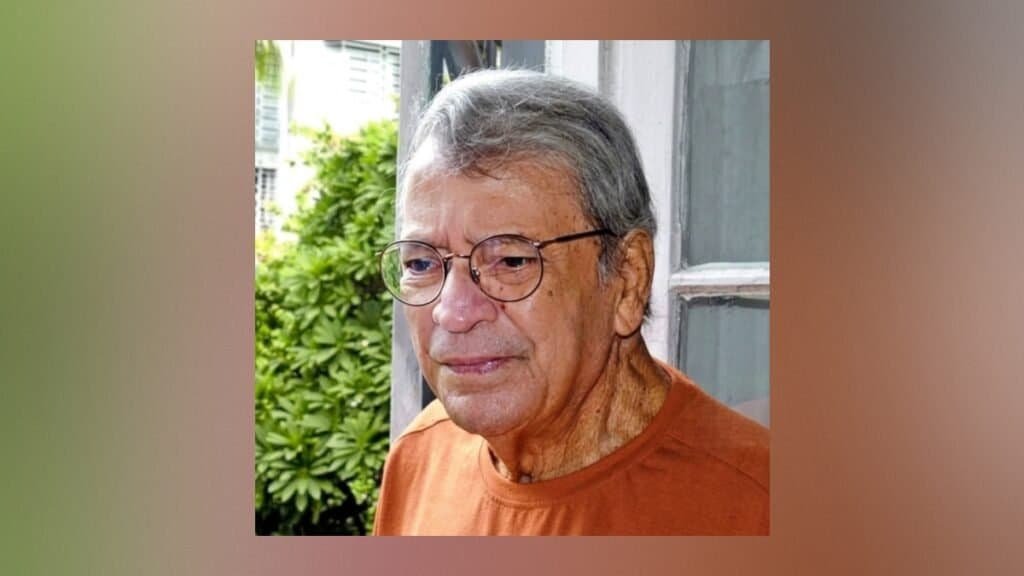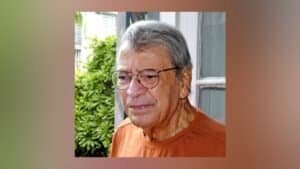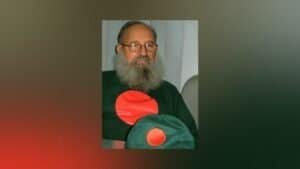
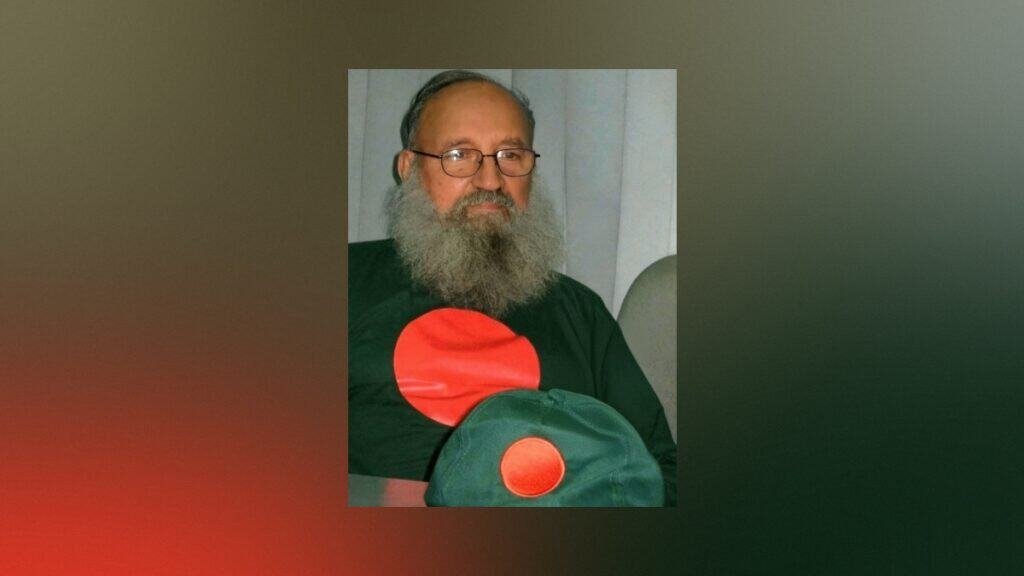
Father Rigon was much more than a religious missionary. He was an educator, humanitarian and dedicated social worker whose deep affection for Bangladesh shaped both his life and his final wishes. His commitment to the country’s people, particularly in the south-western region, earned him a lasting place in Bangladesh’s collective memory.
Early Life and Arrival in East Pakistan
Father Marino Rigon was born on 5 February 1925 in Villaverla, in the province of Vicenza, Veneto, Italy. His father, Riccardo Rigon, was an experienced and popular actor with an Italian theatre troupe, while his mother, Monica Zocche, worked as a schoolteacher. Growing up in a family connected with the arts and education helped shape his appreciation for culture, learning and human values.
Guided by his religious convictions, Rigon chose a life dedicated to spiritual service and the welfare of others. In January 1953, he arrived in what was then East Pakistan as a missionary. What began as a religious mission gradually developed into a lifelong commitment to the people and communities of the region.
He became deeply attached to the country’s landscape, culture and people. Over the years, Bangladesh grew into far more than a place of work for him. It became his chosen home, where he spent most of his life serving people whose needs and aspirations had become central to his own.
His decision to remain in the country for decades reflected a commitment that extended beyond religious responsibilities. He became increasingly involved in educational development and social welfare, particularly among communities with limited access to essential opportunities.
Transforming Lives Through Education
Father Rigon spent much of his working life in Shelabunia village in Mongla upazila of Bagerhat district. For nearly 63 years, he remained closely associated with Bangladesh, dedicating himself to educational development and the improvement of local communities.
One of his most significant achievements was establishing 17 educational institutions through his personal initiative. His efforts were particularly directed towards children and young people from disadvantaged communities in the country’s south-western region, where access to education could be limited by economic and social circumstances.
For Rigon, education was not merely a means of acquiring academic knowledge. He viewed it as a way to overcome poverty, ignorance and social disadvantage. He believed that learning could expand people’s horizons, develop their abilities and provide them with opportunities to build better lives.
His educational work was rooted in an inclusive approach to humanity. Religious beliefs, social background and personal identity did not determine who deserved assistance. Instead, he placed people’s needs and well-being at the centre of his activities.
The institutions he established and the welfare initiatives he supported helped create educational opportunities for generations of students. Their significance extended beyond classrooms, offering communities a foundation for personal development and social progress.
His contribution also demonstrated the importance of sustained, community-based efforts in improving access to education. Establishing institutions was only one aspect of his work; the broader purpose was to help people gain the knowledge and confidence needed to shape their own futures.
Through these efforts, Father Rigon became a respected figure in the communities where he worked. His legacy continues to be associated with education, service and the belief that every individual deserves the opportunity to develop their potential.
Standing Beside Bangladesh During the Liberation War
The 1971 Liberation War remains one of the defining chapters of Father Rigon’s life. As the Pakistani military carried out widespread atrocities and inflicted immense suffering on the people of East Pakistan, he demonstrated solidarity with those affected by the conflict.
His humanitarian stance during this turbulent period helped establish his reputation as a genuine friend of Bangladesh. At a time marked by violence, fear and uncertainty, his concern for the suffering population reflected a profound sense of moral responsibility.
Although Italy was his birthplace, Rigon identified closely with the struggles and aspirations of the people seeking Bangladesh’s independence. Their suffering was not something distant from his own concerns. He responded to their plight with compassion, refusing to allow differences in nationality, language or religion to limit his sense of duty.
The history of Bangladesh’s independence includes contributions from friends and supporters around the world. People from different countries expressed solidarity with the Bengali people’s struggle for freedom, demonstrating that the desire for justice and self-determination could inspire support far beyond national borders.
Father Rigon was among those foreign friends whose commitment to Bangladesh became an important part of their personal legacy. His life illustrated that standing beside a people in their hour of need does not require sharing their birthplace, cultural identity or religious beliefs.
His association with the Liberation War remains significant because it reflects a wider humanitarian principle: the suffering of others should not be ignored simply because they belong to a different nation. For Rigon, compassion was not confined by geography.
His Final Wish to Rest in Bangladesh
After a long life of service, Father Marino Rigon died in Italy on 20 October 2017 at the age of 92. He had been suffering from age-related health complications.
Despite spending the final period of his life in Italy, his emotional attachment to Bangladesh remained profound. He wished to be buried in the country where he had devoted decades to serving local communities and building relationships with its people.
In 2018, with assistance from the Government of Bangladesh, his remains were brought from Italy to Bangladesh in accordance with his final wish. He was subsequently laid to rest with state honours at the Catholic mission in Sadhupall, Mongla.
His burial in Bangladesh was a deeply symbolic moment. The country that had become his chosen home during his lifetime also became his final resting place. It represented the fulfilment of a personal wish shaped by decades of service and a lasting bond with the people he had come to love.
For those who remember his contribution, his return from Italy was more than a matter of burial arrangements. It was a reflection of the extraordinary connection he had developed with Bangladesh, a country to which he had dedicated much of his life despite having been born thousands of miles away.
His final resting place stands as a reminder of that connection and of the enduring relationships that can develop through compassion, commitment and service.
Honorary Citizenship and a Lasting Legacy
The Government of Bangladesh recognised Father Rigon’s contribution by granting him honorary citizenship in 2008. The honour acknowledged his work in education and social welfare, as well as his support for the people of Bangladesh during the struggle for independence.
The recognition represented the country’s gratitude towards a man who had devoted much of his life to its people. His relationship with Bangladesh was not defined by citizenship acquired at birth, but by decades of work, personal commitment and humanitarian service.
His legacy extends beyond official recognition. The 17 educational institutions he established, his involvement in community development and his solidarity with the people during the Liberation War remain important aspects of his life story.
Father Rigon’s journey also offers a wider lesson about identity and belonging. A person’s character cannot be measured solely by nationality, religion or birthplace. It is also reflected in the lives they touch, the opportunities they help create and the compassion they demonstrate towards others.
His work in Bangladesh showed that service can create bonds stronger than geographical distance. Through education, social welfare and humanitarian commitment, he became part of the country’s history and earned the affection of people whose lives were shaped by his efforts.
In a world where differences in nationality, culture and religion can sometimes divide communities, his life offers a powerful example of how shared humanity can bring people together. He demonstrated that supporting another nation’s freedom, dignity and development can be an extraordinary expression of human solidarity.
Father Marino Rigon was born in Italy, but Bangladesh became the home of his heart. His years of service, his commitment to education and his final wish to be buried in the country reflect the depth of that attachment.
As Bangladesh remembers this remarkable educator, humanitarian and friend of its independence, his contributions deserve enduring respect. His life reminds future generations that genuine affection for a country can be demonstrated not only through words, but through years of dedication to its people.
With profound respect and gratitude, Bangladesh remembers Father Marino Rigon — a devoted friend whose birthplace was Italy, but whose heart belonged to Bangladesh.