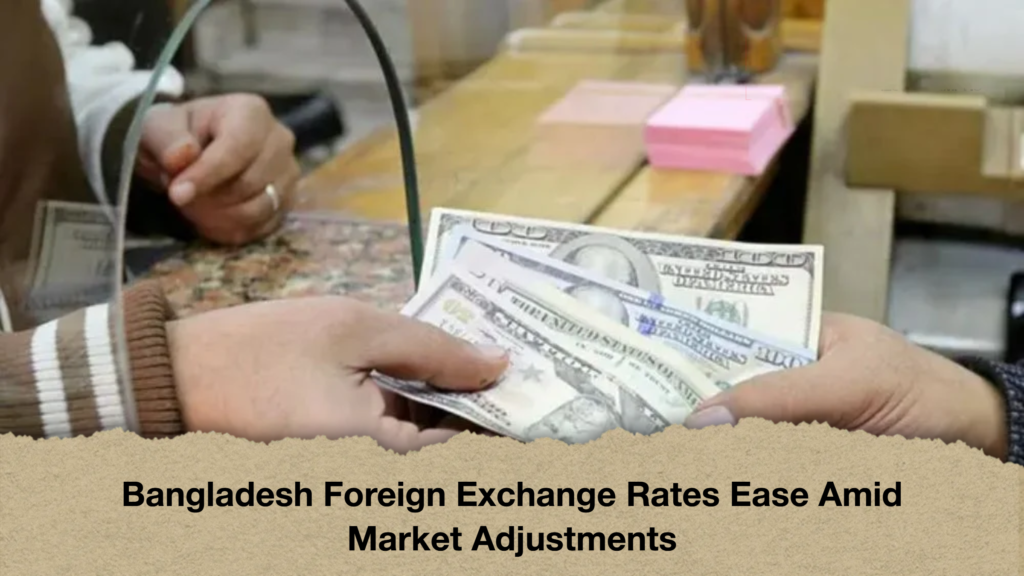
As Bangladesh deepens its economic ties with the global market, foreign exchange rates have emerged as a critical driver of domestic financial stability. International trade, import settlements, export earnings, foreign debt servicing, and remittances all rely heavily on these shifting valuations. Consequently, monitoring daily currency fluctuations remains vital for traders, corporate importers, exporters, and retail consumers alike.
On Thursday, 20 August 2026, the interbank foreign exchange market saw the United States dollar trading at 122.20 taka, marking a notable downward correction from recent highs. Data from central and commercial banking networks indicates that the interbank rate hovered around 122.85 taka at the beginning of last month. Upward market pressures subsequently pushed the greenback to a peak of 123.82 taka before supply adjustments pulled the valuation back down to its current level.
This volatility stems from a combination of regulatory benchmarks and shifting market fundamentals. Last month, authorities implemented periodic adjustments to currency pricing to satisfy structural conditions set by the International Monetary Fund. These steps initially drove the average interbank rate up by roughly one taka. However, subsequent improvements in foreign exchange liquidity and balanced market demand eventually eased the pressure on the local currency.
Banking sector insiders point out that current foreign currency liquidity remains relatively comfortable. A healthy and steady inflow of expatriate remittances has successfully absorbed market pressure, while proactive regulatory oversight by the central bank continues to foster overall stability.
Financial analysts emphasise that maintaining equilibrium between supply and demand is essential for the foreign exchange market. Surging import bills naturally drive up the demand for greenbacks, whereas robust export revenues and migrant remittances boost available reserves, directly influencing the strength of the taka.
Market observers also note that the historical gap between official bank rates and open-market valuations has narrowed significantly. Persistent regulatory monitoring and normalised supply chains are expected to keep this differential contained moving forward.
Foreign exchange rates remain inherently fluid. Driven by global economic shifts, trade balances, remittance trends, and institutional demand, valuations change continuously. Stakeholders are advised to verify the latest rates with authorised financial institutions or licensed money exchange houses before executing transactions.
Based on official records from Bangladesh Bank and major commercial banks, the minimum exchange rates for key foreign currencies against the Bangladeshi taka are detailed below.
| Currency Name | Exchange Rate (BDT) |
| US Dollar | 122.20 |
| Euro | 142.40 |
| Pound Sterling | 165.88 |
| Canadian Dollar | 88.29 |
| Australian Dollar | 86.86 |
| Chinese Yuan | 18.11 |
| Singapore Dollar | 95.93 |
| Indian Rupee | 1.27 |
| Malaysian Ringgit | 30.05 |
| Saudi Riyal | 32.34 |
| Qatari Riyal | 33.52 |
| Kuwaiti Dinar | 394.04 |
| UAE Dirham | 33.08 |
Note: Foreign exchange rates are subject to continuous fluctuation based on evolving market conditions.
Would you like to examine how the current trends in expatriate remittances are shaping foreign exchange reserves in Bangladesh?