The dengue situation in Mymensingh is becoming increasingly concerning, with another patient dying while receiving treatment at Mymensingh Medical College Hospital. The latest death has taken the number of dengue-related fatalities recorded at the hospital this year to 13.
The deceased was identified as Abdul Khalek, 22, from Purbadhala in neighbouring Netrokona district. He was admitted to Mymensingh Medical College Hospital around midday on Sunday, 6 September, after developing dengue fever. His condition deteriorated and he died early on Monday, 7 September, while undergoing treatment.
Dr Mostafa Faisal, a physician working in the hospital’s dengue ward, said 43 patients showing symptoms of dengue had been admitted over the preceding 24 hours. During the same period, 64 patients who had recovered were discharged and allowed to return home.
Despite the number of patients being discharged, 115 people remain under treatment for dengue at the hospital. The figures underline the continuing pressure on the facility as new patients arrive while others complete their treatment.
Since January, a total of 1,802 patients with dengue fever have been admitted to Mymensingh Medical College Hospital, according to the hospital’s dengue ward. The latest fatality adds to a steadily rising death toll and highlights the seriousness of dengue transmission in the region.
Dengue is a mosquito-borne viral infection that can range from a relatively mild febrile illness to a potentially severe condition requiring hospital care. High fever, headache, body aches, weakness, nausea and vomiting are among the symptoms commonly associated with the disease. In more serious cases, patients can develop complications that require close medical monitoring.
One of the challenges in managing dengue is that a patient’s condition can change rapidly. A reduction in fever does not necessarily mean that the danger has passed, making continued observation particularly important when warning signs emerge. Patients experiencing persistent vomiting, severe abdominal pain, unusual bleeding, marked weakness or a sudden deterioration in their condition should seek medical attention promptly.
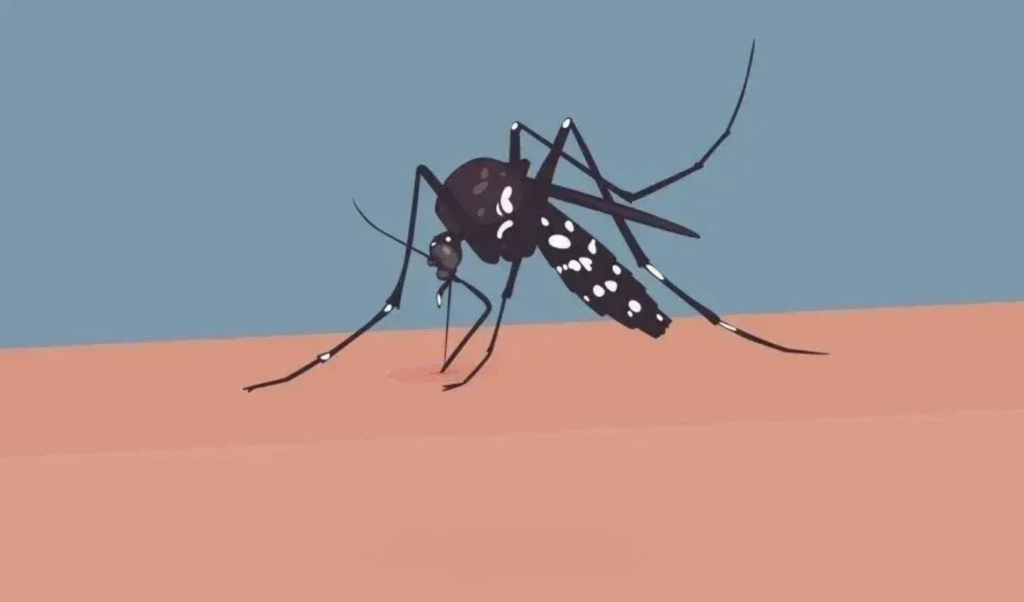
The continuing flow of patients at Mymensingh Medical College Hospital also reflects the importance of prevention alongside clinical treatment. Since dengue is transmitted by Aedes mosquitoes, eliminating potential breeding sites remains a key part of controlling transmission. Containers, discarded items and other places capable of holding stagnant water can provide breeding environments for mosquitoes.
The latest figures present a mixed picture at the hospital. While 64 patients were discharged within a single day, 43 new suspected dengue patients required admission during the same period. With 115 patients still receiving treatment, medical services continue to face a substantial caseload.
For families and communities in Mymensingh and surrounding districts, the death of Abdul Khalek serves as another reminder of the risks posed by dengue during the ongoing transmission period. With 1,802 admissions and 13 deaths recorded at the hospital since the beginning of the year, health officials and residents alike face the continuing challenge of limiting infections and ensuring that seriously ill patients receive timely care.