A growing sense of frustration over gas and electricity shortages has spilled onto the streets in parts of Bangladesh, with consumers and students demanding reliable supplies and relief from rising household costs. In some areas, residents have reportedly faced between eight and 12 hours of load-shedding a day, while poor gas pressure has made cooking difficult for households struggling to maintain their normal routines.
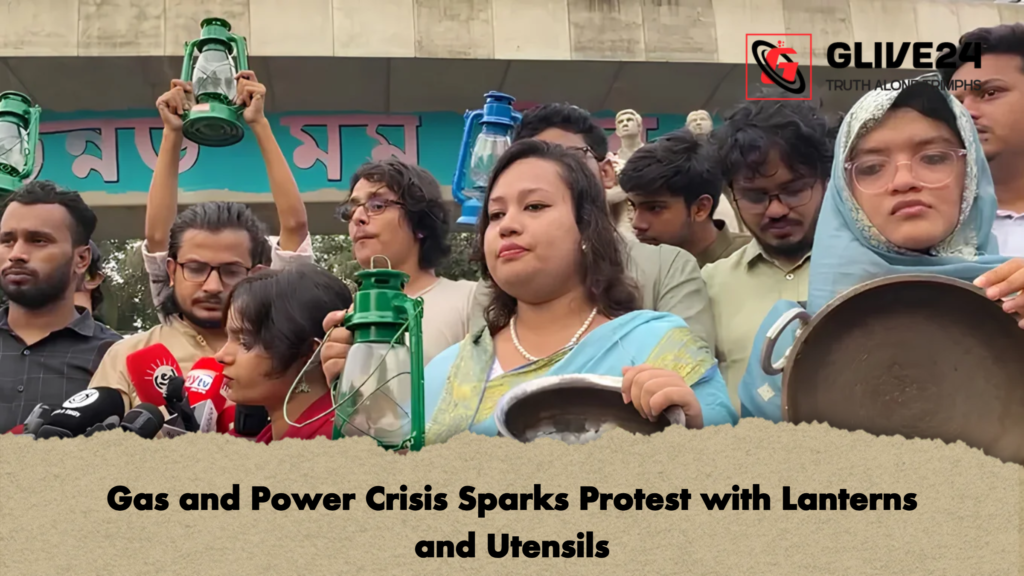
The latest protest took place in the capital on Monday (3 August), when members of the National Student Force organised a demonstration at the Raju Memorial Sculpture on the University of Dhaka campus. Protesters carried traditional lanterns and cooking utensils as symbols of the hardships they said people were facing because of prolonged power cuts and inadequate gas supplies.
Speakers at the demonstration accused the authorities of failing to address problems affecting everyday life, arguing that public suffering was increasing rather than easing. They raised concerns over prolonged power outages, shortages of gas and what they described as unusually high electricity bills.
According to the protesters, electricity bills for June and July had risen sharply in some cases, with some households reportedly receiving bills more than double their usual amounts. They questioned how such increases could occur when many areas were experiencing frequent and lengthy power cuts. They also alleged that some consumers had received unexpectedly high bills despite limited electricity use.
The demonstrators claimed that load-shedding had exceeded 12 hours a day in some locations. They argued that the situation was particularly difficult for ordinary families, as electricity is essential for lighting, refrigeration, water pumps, communication and other basic household activities. Frequent power interruptions can also disrupt small businesses and other income-generating activities that depend on a stable electricity supply.
Gas shortages were another major concern raised at the protest. Speakers alleged that inadequate gas supplies were affecting pumps and other facilities, while households in some areas were struggling to cook because of low or irregular gas pressure. They criticised any prospect of increasing gas prices before existing supply problems are resolved.
The protesters also linked the energy crisis to the broader pressure on household budgets. They raised concerns about rising prices of essential commodities, arguing that higher living costs were placing additional strain on families already dealing with unreliable utilities.
Addressing the government, speakers called for urgent measures to restore dependable electricity and gas supplies. They also demanded greater transparency in electricity billing and urged authorities to investigate complaints from consumers who believe their bills do not correspond with their actual consumption.
The use of lanterns and cooking utensils during the demonstration was intended to highlight the contrast between modern expectations of basic public services and the difficulties faced by people when electricity and gas supplies become unreliable. Protesters said that frequent power cuts had become a serious source of public frustration, with electricity sometimes available for only a short period before another interruption.
The demonstration comes amid wider public concern over the cost and reliability of essential services. For households, the combination of energy shortages, higher bills and rising prices can have a direct impact on daily life. The protesters therefore urged the authorities to prioritise practical solutions rather than allowing the problems to persist.
They called for the electricity and gas supply situation to be stabilised as quickly as possible, for disputed bills to be reviewed, and for the prices of essential goods to be brought under control. The organisers warned that continued disruption to basic services would only deepen public hardship and demanded prompt action to ease the difficulties faced by consumers across the country.