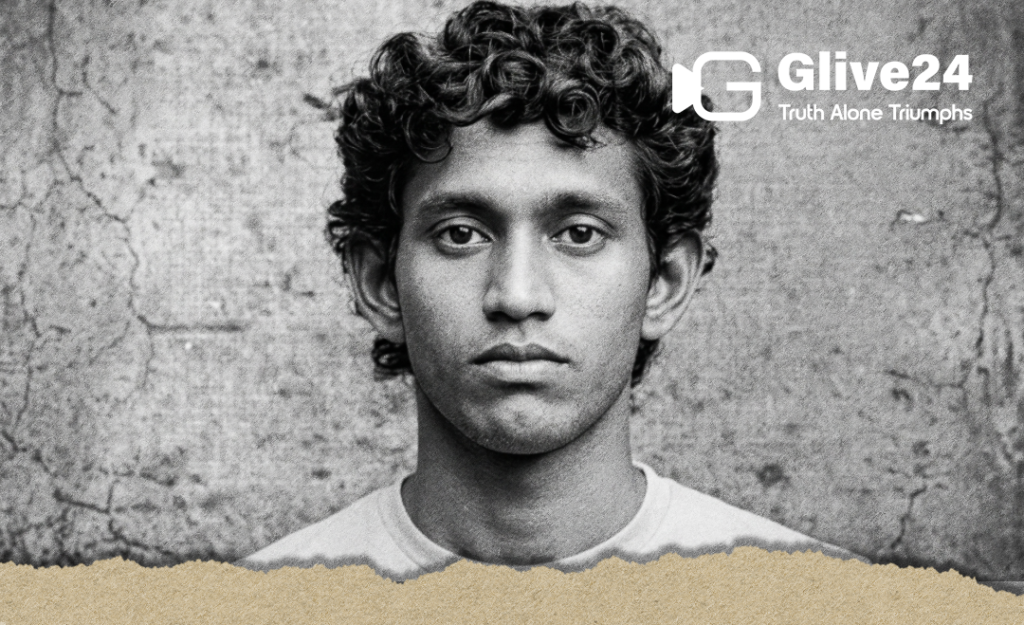
India remembers revolutionary Khudiram Bose on the anniversary of his execution, honouring one of the youngest figures associated with the armed resistance against British colonial rule.
Bose was hanged at Muzaffarpur Jail in Bihar on 11 August 1908, following his conviction in the Muzaffarpur bombing case. He was only about 18 years and eight months old. His youth, courage and willingness to face the death penalty made him a lasting symbol of sacrifice in the history of India’s independence movement.
Born on 3 December 1889 in Midnapore, Bengal, Bose grew up during a period of growing political unrest under British rule. The partition of Bengal in 1905 intensified anti-colonial sentiment across the region, particularly among young people. Bose became involved in revolutionary activities while still in his teens and was associated with efforts to challenge British authority.
His name became nationally known following the Muzaffarpur bombing of 30 April 1908. Bose and fellow revolutionary Prafulla Chaki were involved in an attempt to assassinate British judge Douglas Kingsford, who was regarded by revolutionaries as a particularly harsh official. The attack, however, failed to hit Kingsford’s carriage. Instead, two British women, Pringle Kennedy’s wife and daughter, were killed.
The incident triggered an intensive investigation and search by the colonial authorities. Bose was eventually arrested near Waini railway station. He was brought before the court, tried and sentenced to death. Chaki, who had travelled with him during the operation, died by suicide after being confronted by the police.
Bose was executed on 11 August 1908. Contemporary accounts and later historical narratives have highlighted his composure as he approached the gallows. His death at such a young age turned him into a powerful symbol of youthful resistance and sacrifice.
The song popularly associated with his memory, beginning with the words ‘Ekbar biday de ma ghure ashi’, further cemented his place in Bengali popular culture. His story has since been remembered through literature, music, public commemorations and historical accounts.
Bose’s legacy remains closely connected with the revolutionary strand of India’s independence struggle. While the methods adopted by revolutionary groups remain a subject of historical discussion, his personal commitment to opposing colonial rule and his death at the age of 18 have ensured his enduring place in public memory.
More than a century after his execution, Khudiram Bose continues to be remembered as a symbol of youthful courage and sacrifice. His life was brief, but the historical significance attached to it has endured across generations.
On his death anniversary, tributes are paid to the young revolutionary whose name became inseparable from the story of India’s struggle against colonial rule.