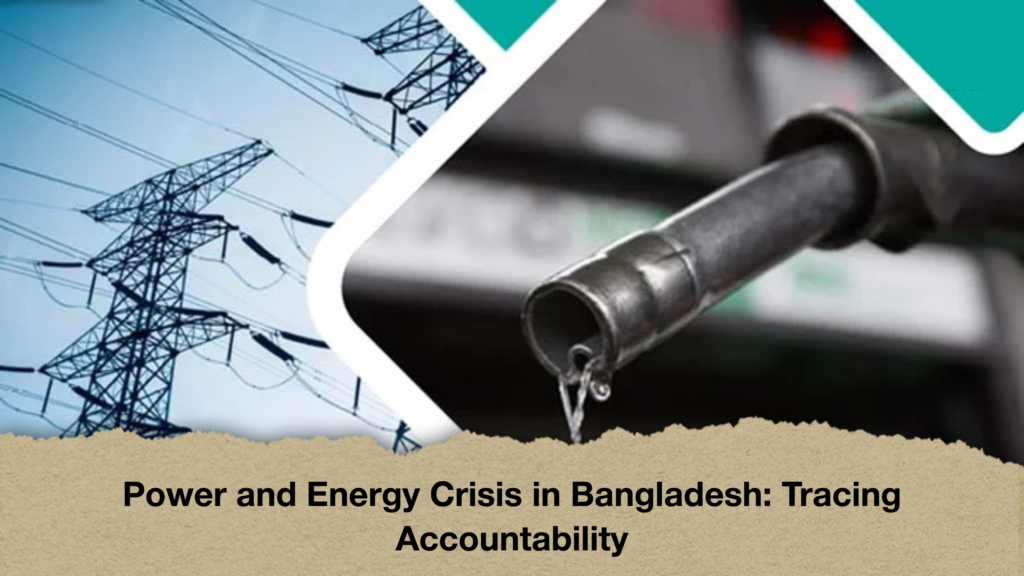
Bangladesh faces a severe energy crisis that threatens the foundations of its national economy. This mounting instability cannot be attributed to a single administration or political transition alone. Instead, the persistent paralysis within the power and energy sector stems from a combination of past policy missteps and subsequent administrative inertia.
When the previous government assumed power in 2009, its initial push to boost electricity generation provided immediate relief from widespread blackouts. Total generation capacity expanded significantly over the years. However, this growth rested on a fragile structural foundation. Relying heavily on the Speedy Supply of Power and Energy (Special Provisions) Act, policymakers favored private sector power purchase agreements and imported fuels while largely neglecting domestic coal and gas exploration. Consequently, while electrification rates climbed, the country became dangerously dependent on imported liquefied natural gas, coal, and furnace oil. This heavy reliance left the entire framework vulnerable to global market fluctuations and foreign exchange reserve shortages.
Following a major political shift, the interim administration led by Professor Muhammad Yunus faced the crucial task of correcting these structural weaknesses while maintaining sector stability. Unfortunately, administrative actions aimed at reform and transparency frequently produced counterproductive results. Many contracts and initiatives initiated by the previous regime were suspended or cancelled en masse without viable alternative strategies in place. Planned exploratory drilling projects involving dozens of gas wells and floating storage regasification units stalled. Administrative shifts and anti-corruption measures created widespread hesitation among professional bureaucrats, leading to paralysis within key decision-making channels.
As subsequent governance structures navigate this accumulated backlog, the broader economy continues to bear the heavy costs. Shortages of diesel and natural gas disrupt power generation, bringing hardship to industrial manufacturing units and ordinary citizens alike. Rather than deploying pragmatic operational solutions, public discourse often frames the crisis purely through the lens of political retaliation or previous misrule, which only deepens the deadlock.
The current state of the energy sector demonstrates that expanding generation capacity alone cannot ensure long-term security without guaranteed primary fuel supplies. Moving forward, the state must prioritize policy continuity, domestic resource exploration, and institutional accountability. Failure to implement swift, pragmatic reforms risks plunging the country into deeper industrial stagnation and widespread social unrest.