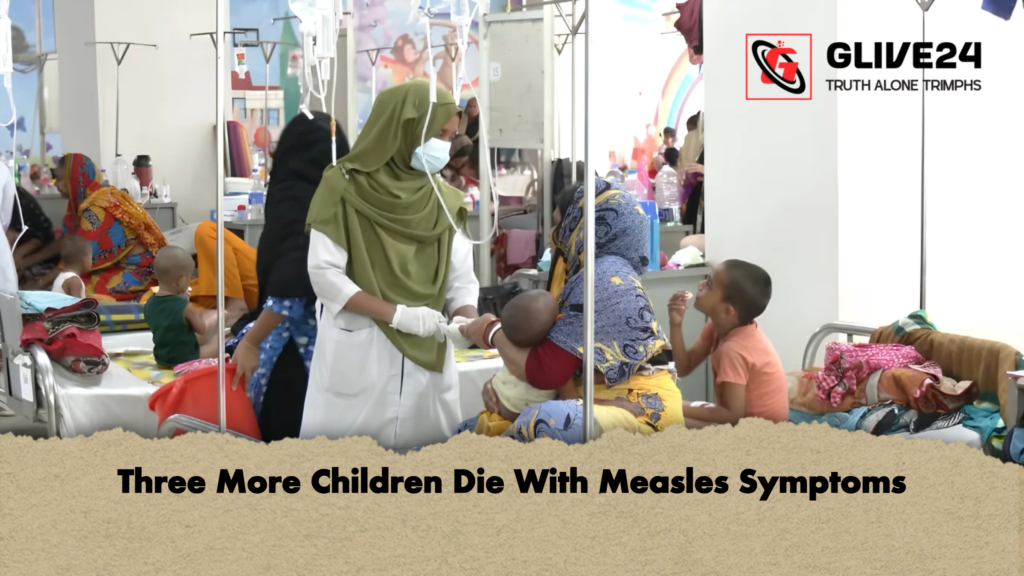
Bangladesh has recorded three more child deaths linked to suspected measles symptoms over the past 24 hours, as the country continues to grapple with a significant outbreak of the highly contagious viral disease. During the same reporting period, 1,085 new measles infections were recorded, reflecting the continued pressure on the public health system.
The latest figures were released on Saturday (1 August) in a press statement issued by the Control Room of the Directorate General of Health Services (DGHS).
According to the health bulletin, 751 people were identified as suspected measles patients during the past 24 hours. Since 15 March, the cumulative number of suspected measles cases reported across the country has reached 128,310, highlighting the scale of the outbreak over recent months.
Laboratory surveillance also continues to identify new confirmed infections. The DGHS said 121 patients tested positive for measles in the last 24 hours, bringing the total number of confirmed cases between 15 March and 1 August to 16,180.
Hospital admissions remain substantial. Since 15 March, a total of 111,674 people with suspected measles have been admitted to hospitals for treatment. Of those, 107,367 patients have recovered sufficiently to be discharged, indicating that while most patients respond well to treatment, thousands have required medical care during the outbreak.
The latest report also highlighted the continuing human toll of the disease. Three children died with suspected measles symptoms during the past 24 hours. As a result, the cumulative number of deaths among suspected measles cases has risen to 744 children since 15 March.
On a more encouraging note, the DGHS reported that no deaths were recorded among laboratory-confirmed measles patients during the latest reporting period. Even so, the total number of deaths from confirmed measles since 15 March stands at 96.
Health experts have consistently warned that measles is one of the world’s most infectious viral diseases and can lead to severe complications, particularly among young children, malnourished individuals and those with weakened immune systems. Pneumonia, severe diarrhoea and neurological complications are among the serious health risks associated with the infection. Vaccination remains the most effective method of preventing both infection and severe disease.
The Directorate General of Health Services has continued to urge parents and guardians to ensure that children receive all recommended doses of the measles vaccine through the national immunisation programme. It has also advised anyone experiencing symptoms consistent with measles to seek prompt medical attention to reduce the risk of complications and further transmission.
Although a large number of hospitalised patients have recovered, the latest figures indicate that measles continues to pose a serious public health challenge. Health authorities are maintaining surveillance, case management and public awareness efforts as they work to contain the spread of the disease and minimise preventable deaths.