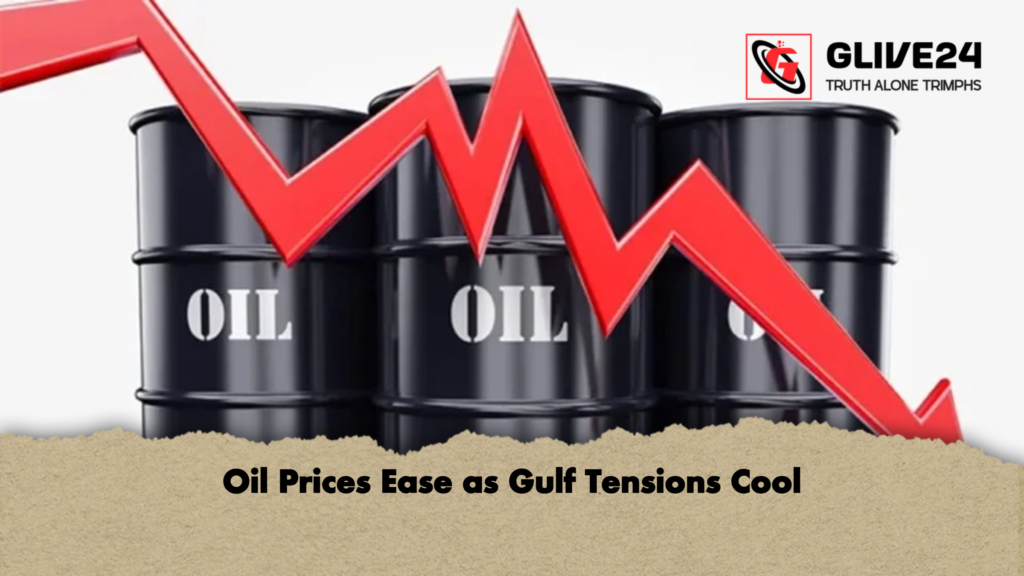
Crude oil prices have begun to soften following a recent understanding between the United States and Iran, which has helped ease tensions around the strategically vital Strait of Hormuz. As stability gradually returns to the region, international benchmark prices have slipped to nearly 75 US dollars per barrel, offering some relief to global energy markets after weeks of volatility.
Despite this downward trend, the impact on Bangladesh remains uncertain. Officials at the Bangladesh Petroleum Corporation (BPC) have indicated that there are currently no immediate plans to reduce domestic fuel prices, even though global rates have eased. The corporation argues that recent purchases made at significantly higher prices continue to weigh heavily on its balance sheet.
According to BPC officials, the organisation has suffered losses exceeding 1,700 billion taka over the past four months. The financial strain stems from importing fuel at elevated prices during earlier market spikes, while domestic retail prices remained comparatively lower. This mismatch has created sustained pressure on the state-run importer.
BPC Chairman Md. Rezanur Rahman noted that although global prices have now started to decline, the average cost of previously imported cargoes remains high. As a result, the corporation is still operating at a loss, even if monthly losses have shown signs of easing.
Market data highlights the sharp fluctuations that have shaped recent trends. Brent crude rose from around 72.87 dollars in late February to over 114 dollars in early May amid heightened geopolitical tensions in the Middle East. However, prices have since retreated steadily, settling at around 75 dollars by 24 June. This volatility has significantly influenced import expenditure. A single shipment of 30,000 tonnes of diesel, for instance, cost nearly 5 million dollars in May, compared with about 3 million dollars at current rates.
BPC estimates show that importing diesel under the Singapore pricing formula now costs around 129 taka per litre, while it is being sold domestically at roughly 115 taka. This results in a per-litre loss of approximately 14 taka on diesel alone. Petrol and octane, however, are reportedly still generating marginal profits.
The National Board of Revenue continues to collect around 35 taka per litre as duty at the import stage, ensuring steady government revenue but adding to the overall cost burden within the fuel supply chain.
Officials say accumulated losses have been covered using reserve funds held in BPC’s bank accounts, amounting to nearly 1,700 billion taka in recent months. The corporation has since sought reimbursement from the government through the energy ministry.
Looking ahead, international pricing benchmarks suggest that the average import cost for diesel between 21 May and 20 June stood at approximately 153 taka per litre, while octane reached around 144 taka. These figures are expected to influence the next domestic fuel price adjustment, likely scheduled for 1 July.
Although current fuel stocks are considered adequate for several weeks of supply, energy sector analysts caution that uncertainty in the Middle East and continued fluctuations in the global oil market mean risks have not fully receded.