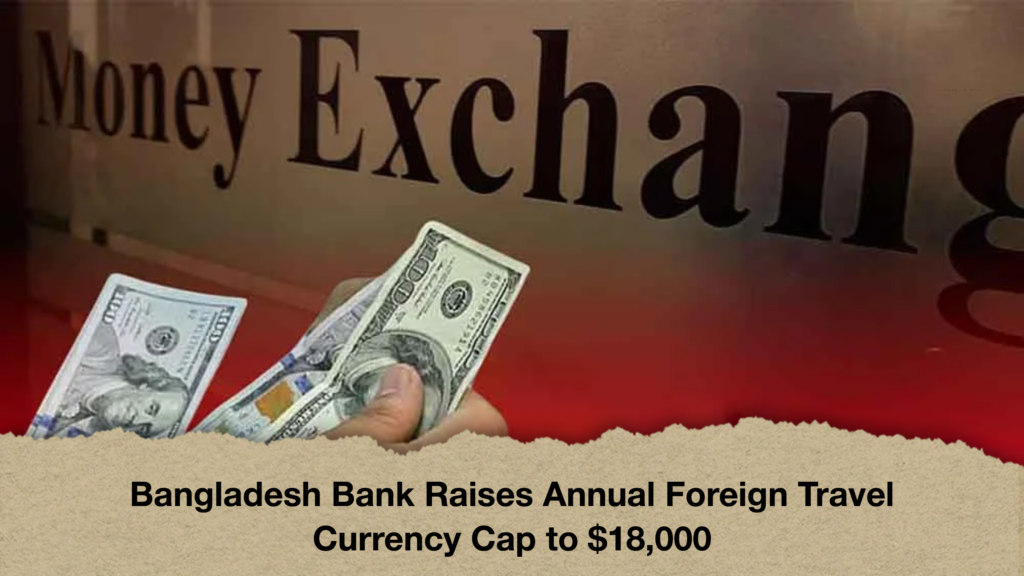
In a significant regulatory shift aimed at easing international financial transactions for outbound citizens, Bangladesh Bank has expanded the annual foreign currency allowance for overseas travel by 50 per cent. Under the revised framework, adult Bangladeshi nationals can now endorse and spend up to $18,000 (US dollars) or its equivalent in foreign exchange per calendar year, up from the long-standing ceiling of $12,000.
The Foreign Exchange Policy Department of the central bank formally issued the directive on Sunday, 6 September 2026, routing the circular to chief executives across all Authorised Dealer (AD) commercial banks. Monetary officials explained that the decision reflects the evolving realities of global travel, rising inflation overseas, and the genuine foreign exchange requirements of outward-bound Bangladeshi citizens. The increased quota promises welcome headroom for individuals travelling abroad for medical care, tourism, family visits, and official business engagements.
Cash Allowance Ceilings and Digital Channels
Despite the substantial $6,000 increment in the overall yearly threshold, central bank regulators have kept physical banknotes under strict containment. The existing limit governing cash endorsements remains unchanged: travellers can carry a maximum of $5,000 in paper currency banknotes each calendar year out of their total allowance.
The remaining $13,000 of the expanded limit must be channelled digitally using international credit, debit, or pre-paid travel cards issued by licensed financial institutions. By maintaining the cash cap while liberalising digital limits, authorities aim to curb illegal currency physical hoarding and encourage secure, traceable electronic payments during international travel.
Framework for Minor Travellers
The operational regulations for dependents under 12 years of age remain structurally linked to the primary adult threshold. Minors remain eligible for 50 per cent of the total adult allowance. With the adult baseline moving to $18,000, the maximum allocation for children under 12 now stands at $9,000 or the equivalent in other convertible currencies per year.
Economic Context and Market Stability
This policy adjustment arrives alongside broader signs of balance in the domestic foreign exchange landscape. Bangladesh’s interbank market has recently settled into relative calm, with the US dollar trading around 122.78 taka following a brief period of upward re-alignment driven by International Monetary Fund (IMF) loan conditions.
Improved remittance inflows through formal banking networks and vigilant oversight by Bangladesh Bank have bolstered systemic foreign exchange liquidity. This improved stability provided financial regulators the policy margin required to expand travel quotas without placing undue strain on central reserves. Financial analysts expect the move to further reduce reliance on informal money markets, channelling a higher volume of consumer forex transactions through official banking pipelines.