Bangladesh is facing a severe surge in mosquito-borne illness as the Directorate General of Health Services (DGHS) confirmed nine additional dengue-related deaths and 1,902 new hospital admissions across the country in its daily bulletin issued on Monday, 5 October. The latest casualties push the nationwide death toll from the vector-borne viral disease to 271 for the current year, highlighting an alarming public health challenge that continues to strain medical facilities.
According to official figures released by the health authorities, the nine latest victims comprised five men and four women. Demographic statistics published by the DGHS indicate that female patients account for approximately 52 per cent of total dengue fatalities so far this year, with male patients representing the remaining 48 per cent. Medical professionals note that delayed hospital presentation and acute secondary complications remain primary factors contributing to fatal outcomes among infected individuals.
The constant influx of patients continues to put immense pressure on healthcare infrastructure nationwide. With 1,902 new admissions recorded between Sunday morning and Monday morning, the cumulative total of hospitalised dengue patients in Bangladesh has escalated to 88,360. Amid the growing strain, clinical recovery rates offer a degree of relief, as 1,988 patients were discharged from various hospitals during the same 24-hour window, elevating total recoveries to 82,335.
Regional epidemiological data demonstrates widespread transmission well beyond the central metropolis. Outside the capital’s municipal boundaries, rural and suburban areas within Dhaka Division registered the highest number of new hospitalisations, logging 401 admissions. Healthcare facilities in Khulna Division treated 306 new cases, followed by Chittagong with 272, Barisal with 216, Rajshahi with 105, Mymensingh with 98, and Rangpur with 66. Within the capital itself, Dhaka South City Corporation hospitals recorded 223 new admissions, while Dhaka North City Corporation facilities admitted 206 patients and recorded three of the nine latest deaths. A minor mathematical discrepancy exists in the official bulletin, as the sum of reported regional admissions totals 1,893—nine fewer than the headline figure of 1,902 reported by the DGHS.
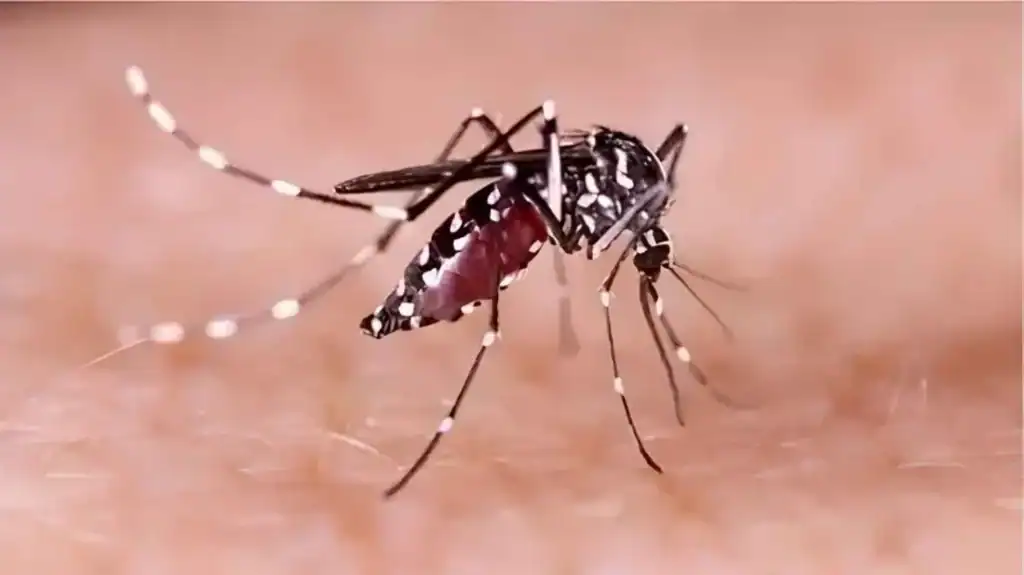
The persistent transmission of dengue fever—transmitted principally by the Aedes aegypti mosquito—remains closely linked to environmental factors such as prolonged monsoon rains, high humidity, and localized waterlogging in densely populated communities. Public health experts stress that containing the outbreak requires aggressive vector-control initiatives, including larviciding and vector fogging, alongside active community participation to remove stagnant water around residential properties.