Every year, as International Women’s Day approaches, global lifestyle brands swiftly pivot their marketing strategies to target female consumers. Bangladesh vividly mirrors this international trend. Just a year prior, a leading soap manufacturer launched a highly publicised campaign featuring prominent models, bloggers, and female entrepreneurs. The production was visually striking and impeccably executed, yet it entirely missed the foundational ethos of the feminist movement.
The featured women were conventionally attractive, possessing fair complexions and wearing glamorous, wholly impractical attire. They projected an aura of passive grace, completely divorced from physical labour or the expression of strong, dissenting opinions. As the advertisement progressed, their presence appeared designed entirely to serve corporate profit margins rather than to advocate for authentic gender equality. This raises a pressing question about modern observances: has a centuries-old fight for liberation been reduced to a lucrative commercial gimmick?
To understand this commercial dilution, one must examine the movement’s extensive history, which has evolved through distinct ideological waves. While the roots of feminist thought stretch back to 15th-century intellectuals like Christine de Pizan, and later advocates such as Mary Wollstonecraft and Marie de Gournay, organised feminism truly gathered momentum during the mid-19th century. This First Wave was defined by the suffrage movement. Women marched to demand fundamental civil liberties, including the right to vote, own property, and access professional careers. Trailblazers such as Dorothy Day, Sojourner Truth, Jane Addams, and Elizabeth Blackwell spearheaded these monumental efforts. Despite its achievements, this early era disproportionately represented white, middle-class demographics, largely ignoring the voices of marginalised communities.
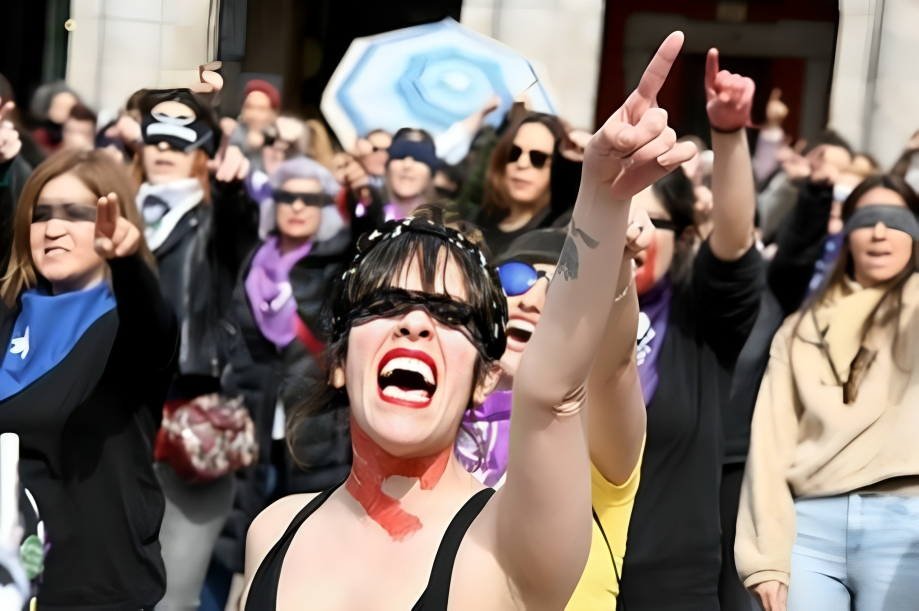
The publication of Betty Friedan’s The Feminine Mystique in the 1960s ignited the Second Wave, dismantling deeply entrenched patriarchal ideals surrounding domesticity and womanhood. This era witnessed vital contributions from women of colour, with activists like bell hooks and Audre Lorde radically reshaping the discourse. The movement eventually bifurcated into two primary streams. Liberal feminism, championed by figures like Gloria Steinem and Friedan, targeted legislative reforms to secure workplace equality. Radical feminism, pushed forward by activists such as Casey Hayden and Mary King, sought to dismantle the patriarchal structure entirely. This wave successfully forced public conversations regarding domestic violence, workplace harassment, and reproductive autonomy.
By the 1990s, the movement secured formidable global traction, aided heavily by the United Nations and the Economic and Social Council advocating for worldwide empowerment. Rebecca Walker, a defining voice of this era, popularised the concept of intersectionality. This crucial shift acknowledged that women experience oppression differently based on their race, sexuality, religion, and socio-economic status. The Third Wave introduced transfeminism and postmodern perspectives, drastically broadening the movement’s inclusivity. The era was also heavily influenced by the punk subculture, where the ‘riot grrrl’ movement aggressively championed self-reliance, sexual liberation, and outright defiance of societal constraints.
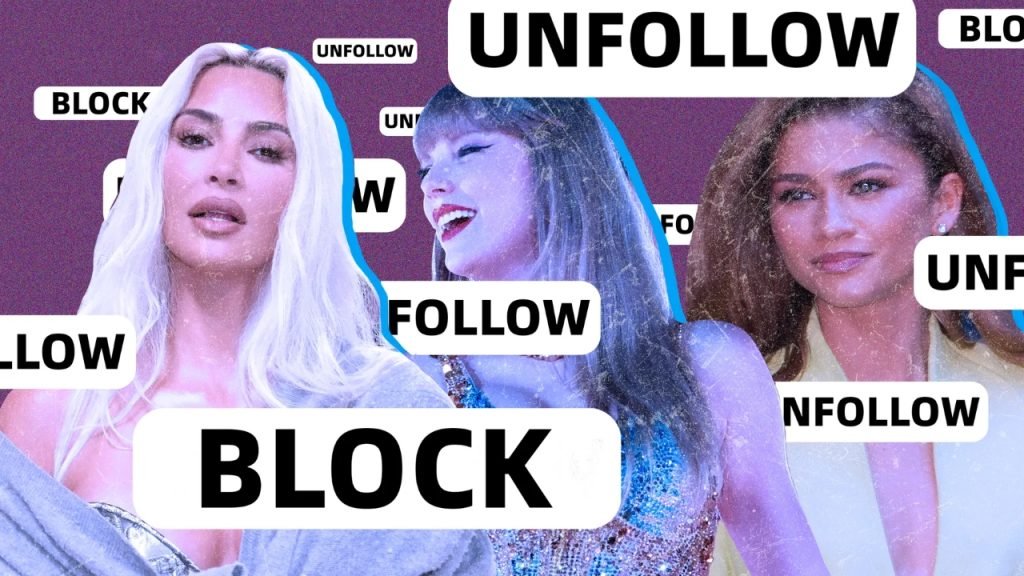
The 2010s ushered in the Fourth Wave, characterised by rapid digital activism. Social media transformed into a potent tool for global advocacy. Landmark initiatives, such as the HeForShe campaign championed by Emma Watson and the #MeToo movement, systematically exposed the pervasive nature of sexual harassment and abuse. These digital platforms finally provided marginalised groups a loud, accessible voice. Yet, this same accessibility paradoxically accelerated the commodification of feminist ideals, allowing brands to easily co-opt progressive messaging for seasonal financial gain.
The origins of International Women’s Day are deeply rooted in grassroots socialist activism, first declared by the Socialist Party of America and subsequently elevated globally by Clara Zetkin. The United Nations formalised the observance in the 1970s. Historically an occasion to celebrate hard-won achievements in education, employment, and civil rights, the day has increasingly morphed into a slick marketing spectacle.
In Bangladesh, a predominantly conservative society, the foundational aspects of feminism are still being fiercely debated. The nation has achieved undeniable progress in women’s education and workforce participation. The nuances of intersectionality, however, remain largely absent from mainstream discourse. Local campaigns frequently highlight the triumphs of highly privileged individuals while completely neglecting the daily struggles of trans women, domestic workers, garment factory labourers, and sex workers. When a movement demanding equality for all solely acknowledges an elite few, its core principles are severely compromised.
To genuinely honour the legacy of feminist trailblazers, future campaigns and observances must prioritise radical inclusivity. Recognising and celebrating the contributions of women from every socio-economic background is the only way to ensure that feminism remains a powerful vehicle for collective empowerment, rather than just another fleeting marketing trend.