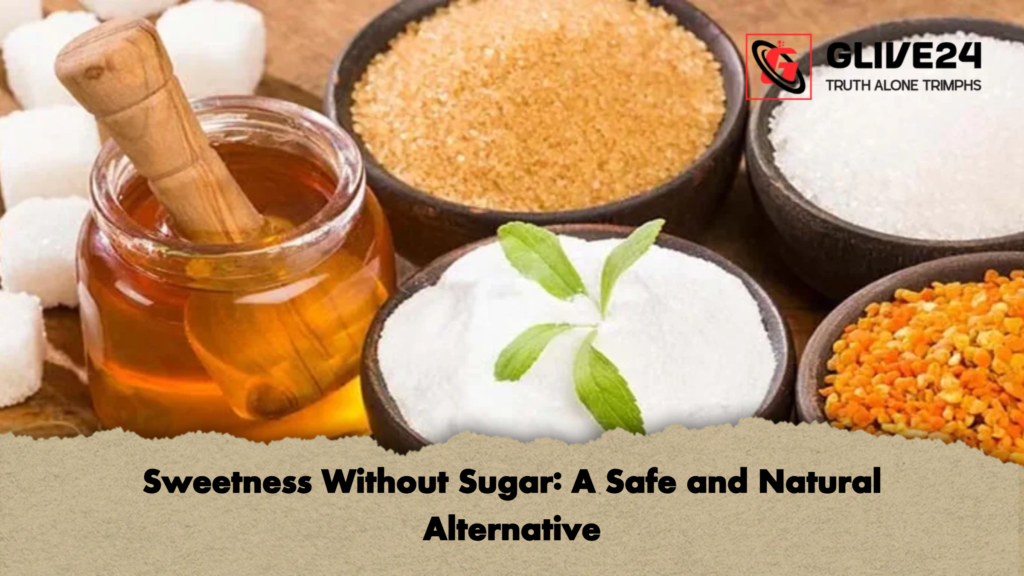
While sugar is a familiar and comforting taste in daily diets, excessive consumption can pose serious health risks. Overconsumption of sugar is linked to weight gain, diabetes, heart disease, and hormonal imbalances. In response, health-conscious individuals are increasingly turning to natural sweeteners. Nature provides several ingredients that are sweet to the taste yet comparatively safer and more beneficial for the body.
Popular Natural Sweeteners:
| Sweetener | Source | Health Benefits | Recommended Usage |
|---|---|---|---|
| Stevia | Stevia plant leaves | Calorie-free, does not raise blood sugar, suitable for diabetics | Very small amounts due to high sweetness |
| Dried Fruits | Raisins, dates, jujubes | Rich in fibre, vitamins, and minerals; aids digestion; provides long-lasting energy | 20–30 grams daily |
| Coconut Sugar | Sap of coconut flowers | Low glycaemic index; slower sugar absorption; contains trace vitamins and antioxidants | Use sparingly (1–2 teaspoons) |
| Fruit Purees & Date Syrup | Bananas, apples, pears blended | Retains fibre and nutrients; aids digestion; keeps you full for longer | Adjust per recipe |
| Honey | Raw or unprocessed honey | Contains antioxidants and antibacterial properties; reduces inflammation; boosts immunity | 1–2 teaspoons daily in moderation |
Stevia: Currently the most popular sugar substitute, stevia is derived from the leaves of the stevia plant. It is calorie-free but significantly sweeter than table sugar, so only a small amount is needed. Stevia does not elevate blood sugar levels and is considered a safe option for people with diabetes.
Dried Fruits: Raisins, dates, and jujubes naturally contain sugar along with fibre, vitamins, and minerals. They support digestion and provide a sustained source of energy, making them a wholesome alternative to refined sugar.
Coconut Sugar: Extracted from the sap of coconut flowers, coconut sugar has a lower glycaemic index, meaning it raises blood sugar levels more gradually than regular sugar. Though it contains small amounts of vitamins and antioxidants, it should be consumed in moderation.
Fruit Purees & Date Syrup: Blending fruits such as bananas, apples, or pears into purees or syrups adds natural sweetness to dishes while preserving the fruit’s fibre and nutrients. These sweeteners aid digestion and promote a sense of fullness.
Honey: Used for centuries as a natural sweetener, raw and unprocessed honey contains antioxidants and antibacterial compounds. It can reduce inflammation and boost immunity. Despite being a type of sugar, honey offers significantly more health benefits than refined sugar.
It is important to remember that no sweetener is entirely “innocent.” Moderation is key, and incorporating these natural alternatives thoughtfully into your diet can contribute to a healthier lifestyle.