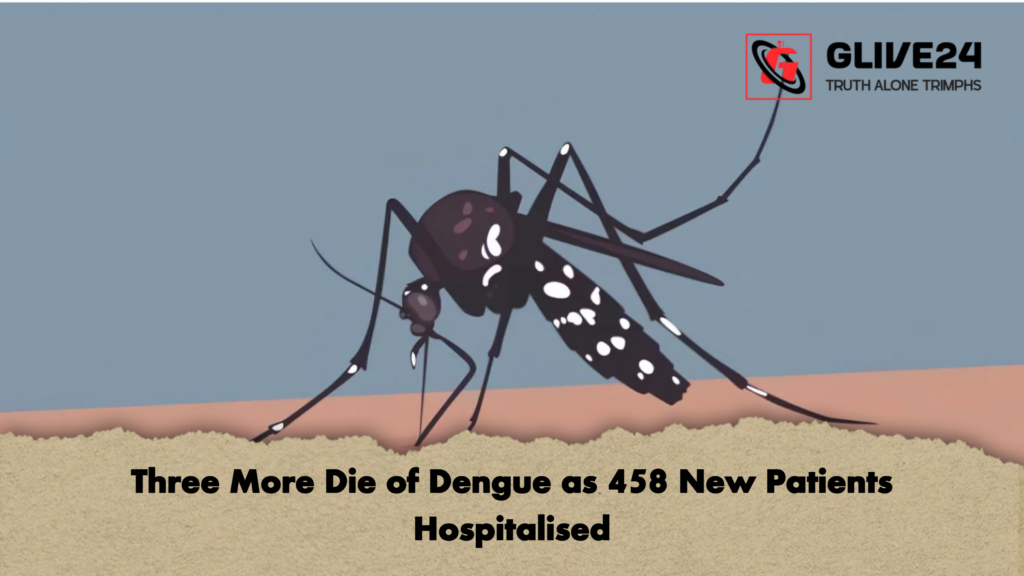
Three more people have died of dengue in Bangladesh over the past 24 hours, while 458 new patients have been admitted to hospitals with the mosquito-borne disease, according to the Directorate General of Health Services (DGHS).
The latest fatalities include two women and one man. The figures were disclosed by the DGHS in a bulletin issued on Sunday.
With the three new deaths, the country’s dengue death toll since January has risen to 43. Of those who have died this year, 25 were women and 18 were men. The gender breakdown shows that women account for a larger share of the reported fatalities so far.
The number of people infected with dengue this year has also continued to rise. According to the latest DGHS figures, the cumulative number of reported cases has reached 13,098, following the admission of 458 new patients over the latest 24-hour reporting period.
The growing number of hospital admissions highlights the continuing pressure created by dengue, particularly as health authorities monitor the spread of the disease and the need for medical care. Dengue is transmitted primarily by Aedes mosquitoes, which can breed in stagnant water collected in containers and other places around homes and urban areas.
The disease commonly causes symptoms such as high fever, headache, muscle and joint pain, and general weakness. While many patients recover with appropriate care, some can develop severe complications that require close medical supervision. Early medical assessment is therefore particularly important when symptoms worsen or warning signs emerge.
The latest figures also underline the importance of preventive measures alongside medical treatment. Removing stagnant water from homes and surrounding areas can help reduce potential mosquito breeding sites. People are also advised to take precautions against mosquito bites, particularly in areas where dengue transmission is reported.
Dengue prevention remains a shared responsibility involving households, local authorities and public health agencies. Regular cleaning of water containers and other potential breeding sites can help limit the spread of Aedes mosquitoes. Prompt diagnosis and appropriate treatment are also essential for reducing the risk of severe illness.
The latest health bulletin does not provide a detailed breakdown of the 458 newly hospitalised patients by district or facility. However, the rise in cumulative cases and deaths indicates that dengue remains a significant public health concern in the country.
The reported figures since the beginning of the year are:
- Total reported dengue cases: 13,098
- Total deaths: 43
- Deaths among men: 18
- Deaths among women: 25
- New hospital admissions in the latest 24 hours: 458
- Deaths recorded in the latest 24 hours: 3
Health authorities are continuing to monitor the situation as new cases are reported. The latest increase in hospital admissions serves as a reminder that dengue prevention and early medical care remain crucial, particularly for patients whose condition begins to deteriorate.