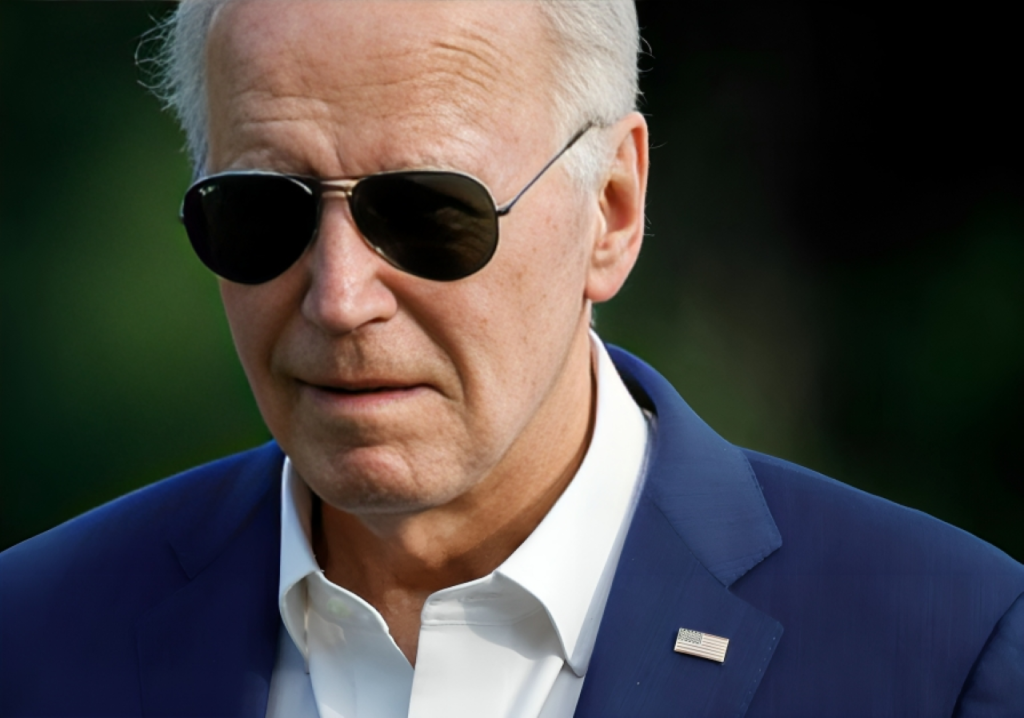
Few modern political figures present as challenging a target for vilification as Joe Biden. His avuncular demeanour, plain-speaking rhetoric, and consistent appeals for national healing make it exceptionally difficult for his opponents to paint him as corrupt or menacing. Unlike his predecessor, Biden largely avoids inflammatory outbursts, personal insults, and performative outrage. For Republican strategists searching for a potent line of attack that resonates beyond the intense fervour of the MAGA base, this persona creates a distinct strategic dilemma. Unable to credibly cast the president as a radical authoritarian, his critics have retreated to one of the oldest weapons in the political arsenal: the charge of hypocrisy.
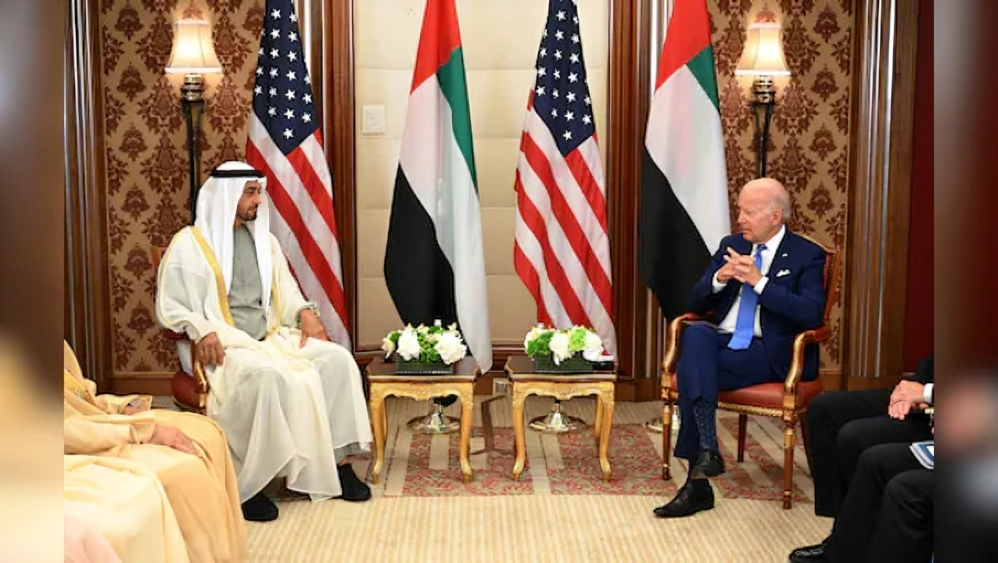
This dynamic was starkly illustrated following Biden’s initial address to a joint session of Congress. South Carolina Senator Tim Scott delivered the Republican response, bluntly dismissing the president’s calls for unity as “worthless bromides.” Scott and his conservative colleagues argue that Biden’s soothing rhetoric is entirely contradicted by his legislative actions. Although the president frequently claims a mandate to govern on behalf of all Americans regardless of party affiliation, critics contend that his policies have only deepened partisan divides. In this framing, the battleground shifts from pure ideology to personal integrity, questioning whether Biden actually practises the bipartisanship he preaches.
Yet, launching accusations of hypocrisy from within the modern Republican Party carries its own profound irony. Contemporary American politics is saturated with selective outrage and highly situational principles, transforming hypocrisy into a tactical device rather than a genuine moral indictment. The landscape is littered with ideological contradictions. For years, segments of Donald Trump’s voter base championed traditional family values while simultaneously excusing high-profile personal scandals. Senate Republicans have routinely condemned executive orders when issued by Democratic administrations, only to enthusiastically endorse the very same mechanisms under a Republican president. This inconsistency spans the political divide. Multiple administrations have spent campaigns warning against the dangers of budget deficits, only to vastly expand them once in office. Both major parties frequently demand national unity, yet fiercely refuse to compromise when legislative debates actually begin.
Why does this specific political sin infuriate the electorate so intensely? Voters despise hypocrisy not merely because it involves a contradiction, but because it projects an air of moral superiority. Research conducted by Yale University indicates that the public is most offended by the implicit judgement hypocrites cast upon others, rather than the inconsistency itself. Nobody enjoys a lecture from a politician whose own conduct ultimately appears self-serving or opportunistic. The political press amplifies this hostility. Journalists are naturally trained to detect deception, and highlighting a politician’s inconsistent statements is far easier than dissecting the complex, real-world impacts of their policy decisions. Consequently, perceived insincerity regularly eclipses substantive policy analysis in the daily news cycle.
The uncomfortable truth is that hypocrisy remains an inescapable feature of democratic politics. Electorates routinely excuse behaviour from their preferred candidates that they would immediately condemn in the opposition. Moral outrage is applied on a sliding scale, dictated far less by rigid principle than by tribal loyalty. Perhaps the most effective politicians in the current era are those who have abandoned the pretence of moral consistency entirely. Figures like Senator Mitch McConnell have long demonstrated that unapologetic, ruthless pragmatism yields significant electoral and legislative dividends, regardless of public criticism. Ultimately, accusations of hypocrisy reveal much less about a politician’s virtue and much more about the deeply entrenched tribalism of the electorate. Until voters begin applying universal standards across the aisle, hypocrisy will persist as a permanent fixture of public life.