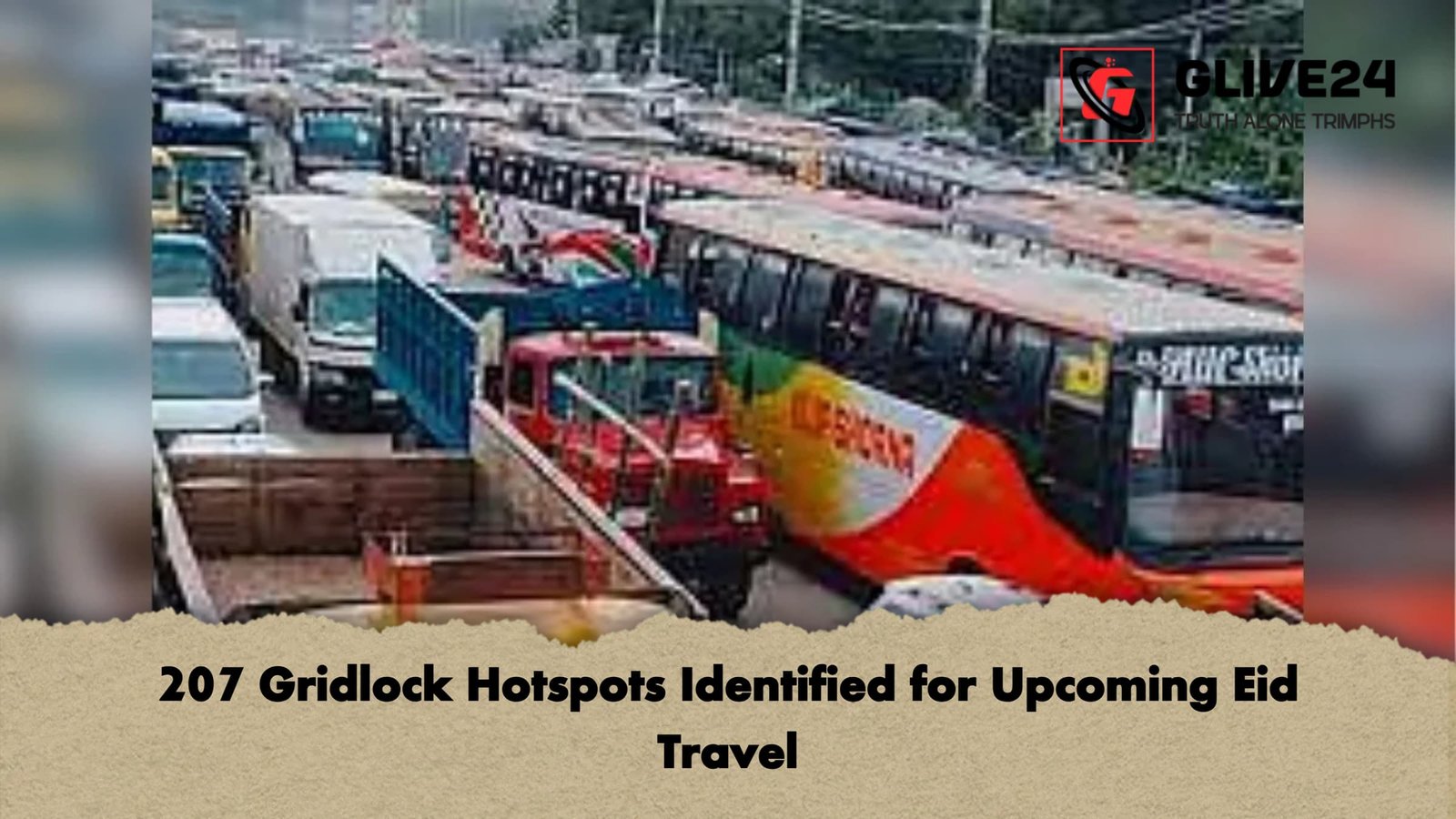
As the nation prepares for the massive seasonal exodus, the Highway Police have identified 207 potential traffic hotspots across the country. This figure represents a significant increase from the 159 congestion points identified during the previous Eid-ul-Fitr, marking a rise of 48 high-risk locations where travellers are likely to encounter severe delays.
Table of Contents
A Logistic Challenge of Scale
The findings were disclosed on Thursday, 5 March 2026, during a high-level meeting at the Secretariat presided over by Sheikh Rabiul Alam, the Minister for Road Transport, Railways, and Waterways. Addressing a subsequent press conference, the Minister revealed that approximately 15 million people are expected to depart from Dhaka within a narrow 48-to-72-hour window.
To manage this unprecedented surge, the Ministry has directed monitoring committees to increase surveillance both before and after the Eid holidays. Authorities have also warned that any transport operator found charging even a single Taka above the government-mandated fare will face immediate legal action, including the potential cancellation of route permits.
Geographic Distribution of Congestion Points
The Dhaka-Tangail-Rangpur highway remains the most critical artery, accounting for more than a quarter of all identified hotspots.
| Highway Route | Number of Identified Hotspots |
| Dhaka–Tangail–Rangpur | 55 |
| Dhaka–Chattogram | 45 |
| Dhaka–Sylhet | 43 |
| Dhaka–Mymensingh | 21 |
| Dhaka–Aricha | 14 |
| Dhaka–Barishal | 14 |
| Dhaka–Cox’s Bazar | 9 |
| Jashore–Khulna | 6 |
| Total National Hotspots | 207 |
The Controversy of “Welfare Collections”
When questioned about extortion on the highways—a perennial issue that inflates transport costs—Minister Alam offered a nuanced, albeit controversial, stance. He stated that while arbitrary extortion would be met with “zero tolerance,” funds collected by registered owner or worker associations for “welfare funds” would not be classified as extortion.
Critics argue that this distinction effectively provides a backdoor for illegal collections, as the Road Transport Act contains no provision for such levies. While the Minister maintained that these are “consensual arrangements” for the benefit of drivers and owners, industry analysts remain concerned that these costs are ultimately passed down to the commuting public.
Strategic Measures for a Smoother Journey
To mitigate the anticipated “Eid chaos,” the government has outlined several operational directives:
Vehicle Restrictions: Trucks and covered vans will be prohibited from using major highways from 17 to 23 March, ensuring the roads are reserved for passenger vehicles.
Infrastructure Management: Ongoing road repairs must be suspended or completed before the rush begins. Mobile courts and CCTV surveillance will be deployed at Dhaka’s five major terminals.
Technology Integration: Automated toll booths at the Padma and Jamuna Bridges, as well as the Karnaphuli Tunnel, will remain fully operational to prevent queues.
Staggered Holidays: Ready-made garment (RMG) factories have agreed to release workers in phases to prevent a singular, overwhelming surge of travellers on the final working day.
Despite the Minister’s optimistic tone regarding “rational” fares, ministry officials privately noted that the government does not regulate fares for Air-Conditioned (AC) buses. This regulatory gap often allows private operators to double or triple ticket prices during peak festive periods, leaving luxury travellers vulnerable to price gouging.