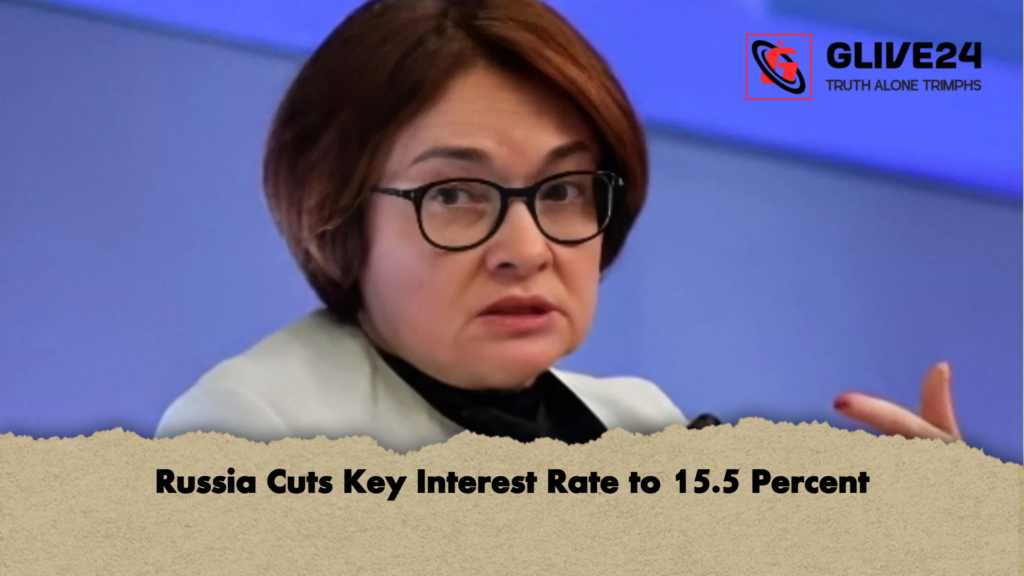
The Central Bank of Russia announced on Friday a reduction of the nation’s key interest rate to 15.5 percent, marking the sixth such cut within the current year. The move reflects the bank’s response to a slowing economy, where persistently high interest rates have been hampering both business activity and investment. While inflation has shown temporary upticks, the central bank regards these as transitory and expects them to remain under control through 2026.
According to a Bloomberg survey, only two out of eight economists had anticipated this latest rate cut, with the remaining six forecasting that the central bank would maintain rates at previous levels.
The reduction is expected to bring some relief to businesses, as high borrowing costs over the past year have constrained entrepreneurial initiatives and corporate lending. The central bank emphasised that, despite the short-term rise in consumer prices, inflationary pressures are manageable and should stabilise within the next year.
Recent Interest Rate Adjustments
| Date | Interest Rate (%) | Comment |
|---|---|---|
| Jan 2025 | 17.5 | Initial cut due to economic pressures |
| Mar 2025 | 17.0 | Relief for business investment |
| May 2025 | 16.5 | Temporary rise in inflation |
| Jul 2025 | 16.0 | Planned reduction by central bank |
| Sep 2025 | 16.0 | Maintained stable rate |
| Nov 2025 | 16.0 | Monetary policy reassessment |
| Jan 2026 | 15.5 | Latest reduction, sixth in series |
Economists suggest that the lower rate will facilitate borrowing and encourage businesses to invest, which in turn could support overall economic growth. However, the decision comes amid ongoing uncertainties, including fluctuating inflation and volatile global markets.
Russia’s economy has faced multiple headwinds in recent years, including declining revenues from oil and gas exports, international sanctions, and constraints on domestic investment. The central bank anticipates that reducing interest rates will stimulate retail spending and industrial output, helping to revive economic activity.
Analysts note that while the monetary policy remains cautiously accommodative, the central bank is proceeding prudently. The combination of slow economic growth and previously high rates has exerted significant pressure on businesses, and the latest cut is designed to ease some of that burden.
The decision is likely to have international implications, particularly in global lending and investment flows, signalling that Russia’s economic policy is now focused on boosting production, investment, and exports. The move underscores the central bank’s emphasis on supporting the health of the domestic economy, even as it maintains vigilance over inflationary trends.