
Khabor Wala Desk
Published: 15th February 2026, 2:05 PM
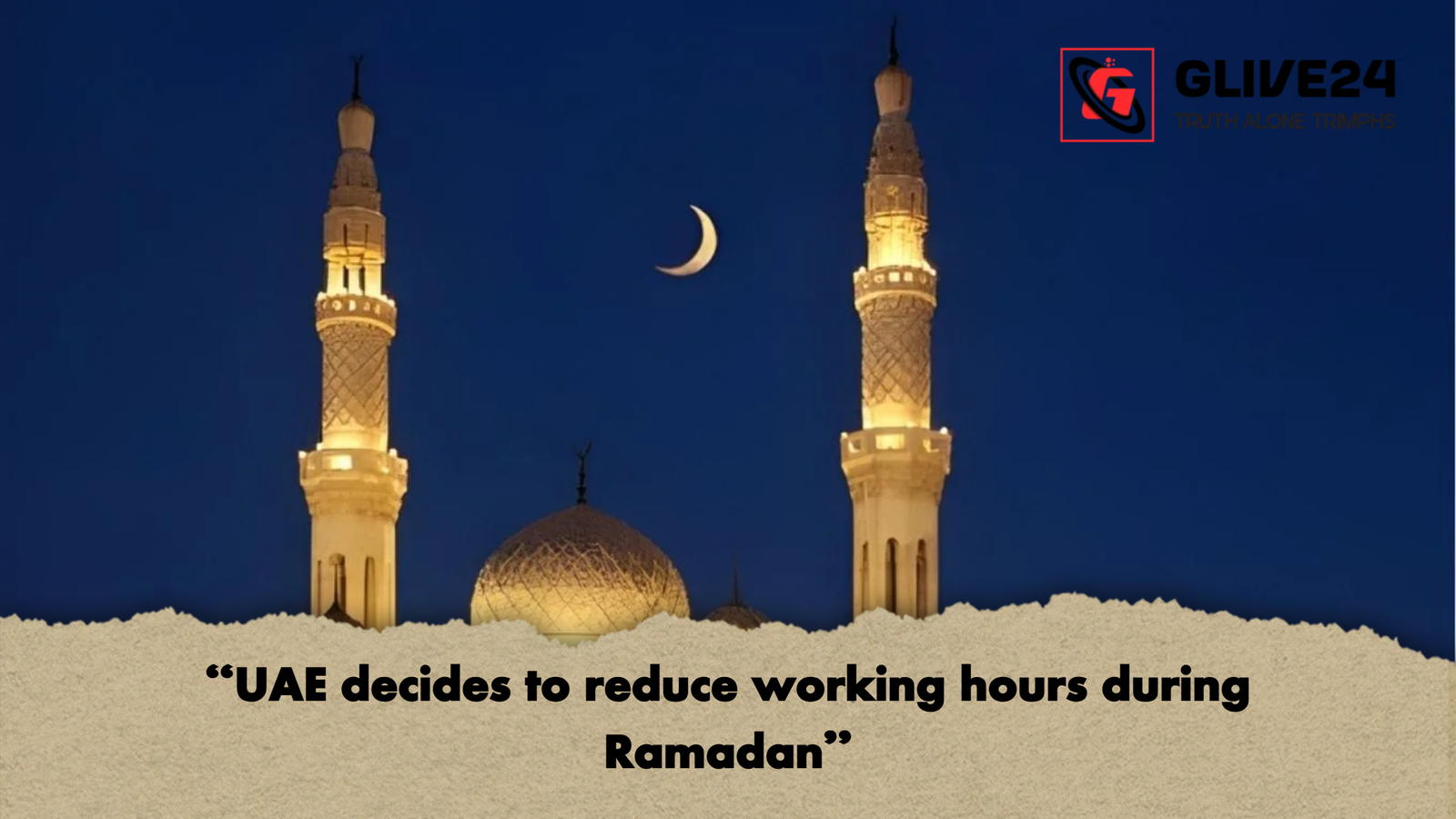
In observance of the holy month of Ramadan, the United Arab Emirates (UAE) has announced a reduction in daily working hours for employees in the private sector. The directive was issued by the Ministry of Human Resources and Emiratisation (MOHRE), emphasising flexibility and employee well-being during the fasting period.
According to MOHRE, private sector companies are permitted to implement flexible or remote working arrangements based on the nature of their operations and business requirements. Typically, employees in the UAE work between eight and nine hours per day. During Ramadan, this will be reduced by two hours daily. Any work performed beyond the designated hours will be counted as overtime, with additional remuneration provided accordingly.
The government has also revised working hours for the public sector. From Monday to Thursday, offices will operate from 9:00 am to 2:30 pm, while on Friday, office hours will be from 9:00 am to 12:00 pm. Exceptions may apply for roles where the nature of work does not allow for standardised timing.
| Sector | Regular Hours | Ramadan Hours | Notes |
|---|---|---|---|
| Private Sector | 8–9 hours/day | 6–7 hours/day | Flexible/remote work permitted; overtime paid extra |
| Public Sector | 8 hours/day | Mon–Thu: 9:00–14:30 Fri: 9:00–12:00 | Certain roles may have different schedules |
The reduction in working hours is intended to allow residents more time with family, friends, and for spiritual reflection. It also offers opportunities for increased personal development and self-reflection, aligning with the values of the holy month.
Human resources experts note that although employees have two fewer hours to complete their tasks, Ramadan encourages a renewed approach to time management. The initial days may present adjustment challenges, but shorter working hours can improve focus, productivity, and purposeful engagement in tasks.
Companies are encouraged to plan workloads strategically to ensure efficiency while respecting the spiritual and personal needs of employees. MOHRE’s guidance reflects a growing recognition in the UAE of the importance of work-life balance, particularly during significant cultural and religious periods.
The move is widely expected to be welcomed by both private and public sector employees, enhancing morale while maintaining operational efficiency during Ramadan.




Comments