
Khabor Wala Desk
Published: 17th February 2026, 11:46 AM
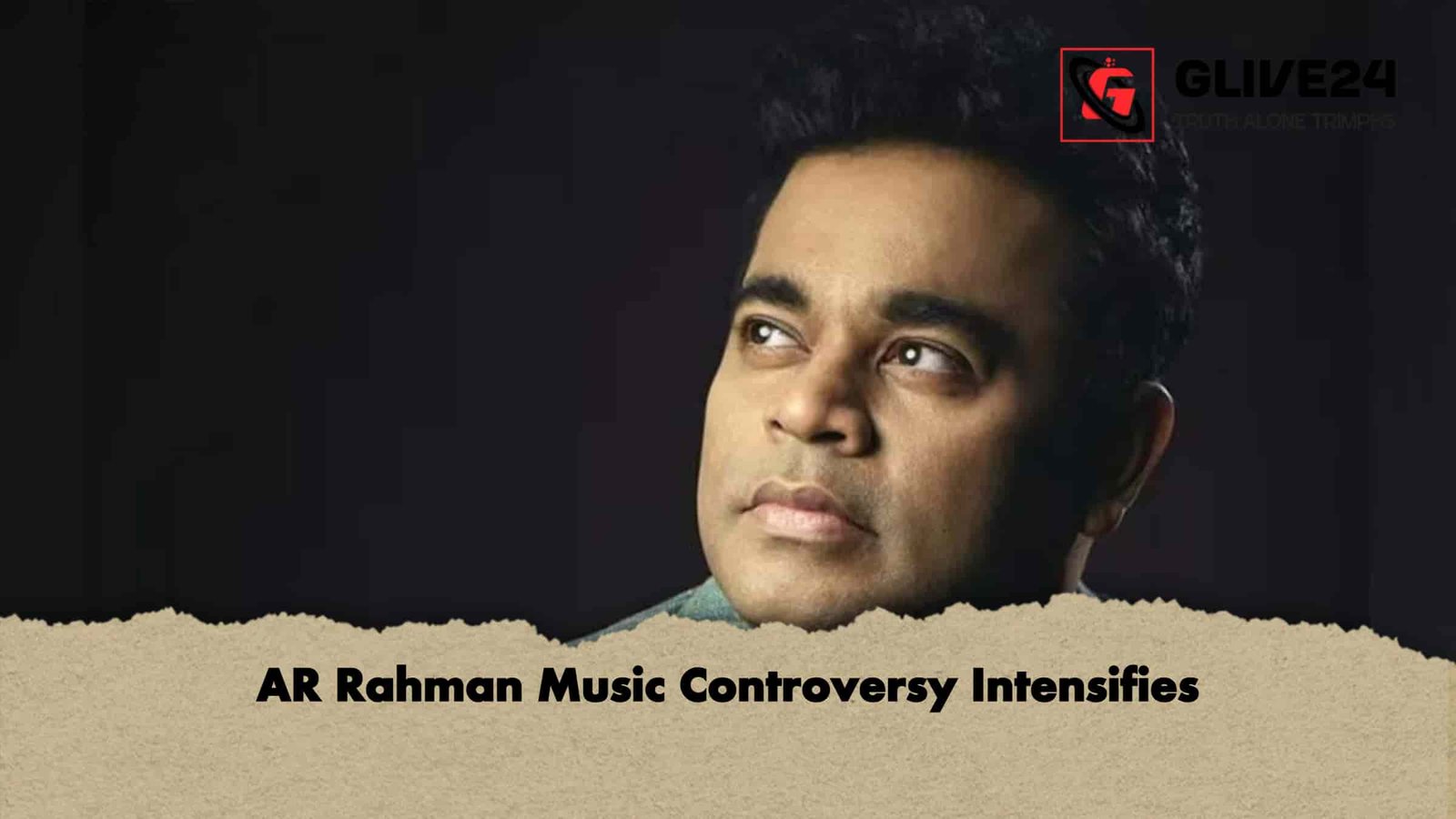
India’s entertainment industry has been engulfed in a fierce debate surrounding the world-renowned composer and Oscar-winning musician, A. R. Rahman. What began as a flurry of discussion on social media has now escalated into formal legal proceedings, raising fundamental questions about originality, intellectual property, and ethical practice in Indian music.
The legal action has been initiated by eminent classical musician Ustad Faiz Wasifuddin Sagar, who has filed a petition with the Supreme Court of India. He alleges that a segment of his composition, “Shiv Stuti,” was used without authorisation in the popular song “Veer Raja Veer” from the film Ponniyin Selvan 2, composed by Rahman.
During the preliminary hearing, a bench led by Chief Justice Jaymaly Bagchi emphasised the importance of establishing the original composer’s rights. Justice Bagchi remarked:
“It is imperative to identify the original creator. Singing a song does not automatically confer ownership. It must be proven whether the same melody pre-existed.”
Representing Rahman, his legal team clarified:
“Our client does not claim ownership over others’ work. However, when he creates, he asserts rights over his original contributions.”
The court’s initial proceedings have focused primarily on validating the allegations and assessing the need for incontrovertible evidence. The next hearing is scheduled for 20 February 2026, where detailed musical comparisons and expert testimony are expected to play a decisive role.
| Aspect | Details |
|---|---|
| Accused | A. R. Rahman |
| Complainant | Ustad Faiz Wasifuddin Sagar |
| Allegation | Plagiarism (use of “Shiv Stuti” segment) |
| Contested Song | Veer Raja Veer (Ponniyin Selvan 2) |
| Court | Supreme Court of India |
| Presiding Judge | Chief Justice Jaymaly Bagchi |
| Next Hearing | 20 February 2026 |
| Current Status | Investigation ongoing; debate intensifying |
This case has ignited a broader discourse within India’s music and cultural circles. Legal experts suggest that its outcome could set a significant precedent for resolving intellectual property disputes in Indian music, defining the standards for recognising rights over both classical and contemporary creations.
Beyond the courtroom, the controversy has sparked reflection on artistic responsibility, the preservation of cultural heritage, and creative ethics. Musicians, enthusiasts, and the general public alike now watch closely, anticipating how the Supreme Court’s decision might affect Rahman’s illustrious career and the wider landscape of Indian music.



Comments