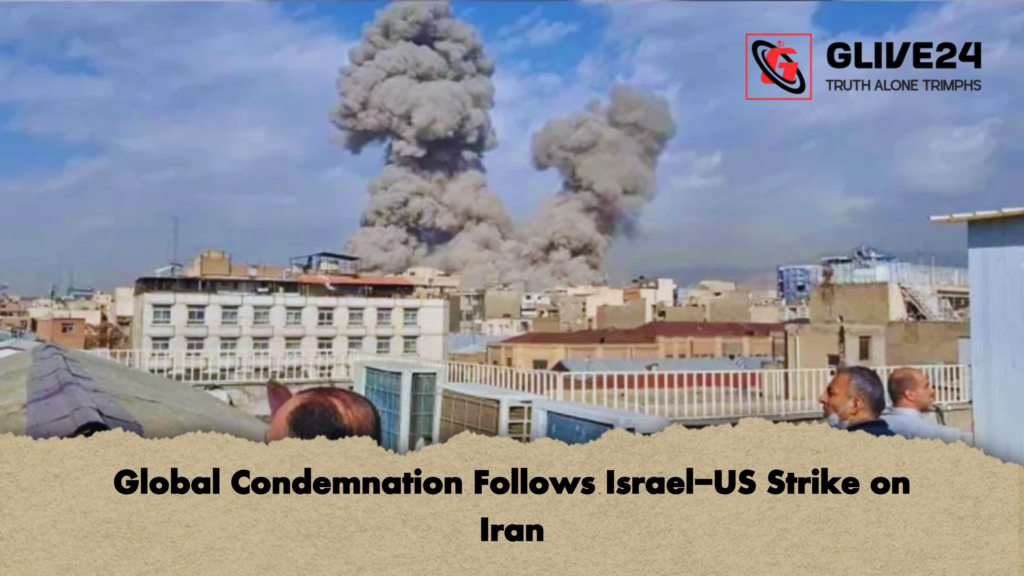
Tensions in the Middle East have escalated sharply following a joint military strike by Israel and the United States targeting Iran. Tehran responded with strong rhetoric, warning of consequences, while regional airspace and civilian activities across the Arab Gulf, Persian Gulf, and Mediterranean countries have been severely disrupted. In response to the growing security risks, nearly all countries in the affected areas have suspended both domestic and international flights.
International Reactions
Several nations have formally condemned the attacks, emphasising restraint and adherence to international law. Belgium’s Foreign Minister, Maxime Prévot, stated, “The Iranian population should not be punished for the actions of their government. We deeply regret that diplomatic efforts did not achieve a resolution earlier.”
Similarly, Norway’s Foreign Minister, Espen Barth, challenged Israel’s justification of the strike as “preventive,” arguing that international law requires an imminent threat to justify pre-emptive action. He remarked, “Preventive strikes must be based on immediate danger, which, in this case, has not been established.”
Pakistan also voiced strong opposition, with Foreign Minister Ishaq Dar highlighting the urgency of de-escalation. “It is critical to bring the situation under control immediately,” he said. “A swift diplomatic initiative is essential to achieve a peaceful and negotiated resolution.”
Meanwhile, Saudi Arabia issued formal condemnation of Iran’s retaliatory actions in the Gulf countries. Despite this, reports emerged of explosions in Riyadh, indicating a rapidly evolving and precarious security environment.
Regional Flight Disruptions
The military escalation has disrupted air travel extensively. The table below summarises the reported suspension of flights in the region:
| Country | Domestic Flights Suspended | International Flights Suspended | Key Airports Affected |
|---|---|---|---|
| Saudi Arabia | 45% | 60% | Riyadh, Jeddah |
| Kuwait | 35% | 55% | Kuwait City, Kuwait Int’l |
| United Arab Emirates | 40% | 50% | Abu Dhabi, Dubai |
| Bahrain | 30% | 45% | Bahrain Int’l |
Diplomatic Concerns
Analysts warn that the current escalation could have lasting diplomatic and security implications for the region. International observers stress the need for urgent dialogue and coordinated efforts to prevent further conflict. Countries involved are being urged to exercise restraint, protect civilian populations, and prioritise diplomacy over military action.
With tensions continuing to rise, regional governments are closely monitoring developments, issuing advisories, and urging citizens to adhere strictly to safety guidelines. The situation underscores the fragile balance of power in the Middle East and the pressing need for renewed diplomatic engagement to prevent a wider conflict.