
Khabor Wala Desk
Published: 6th March 2026, 12:22 PM
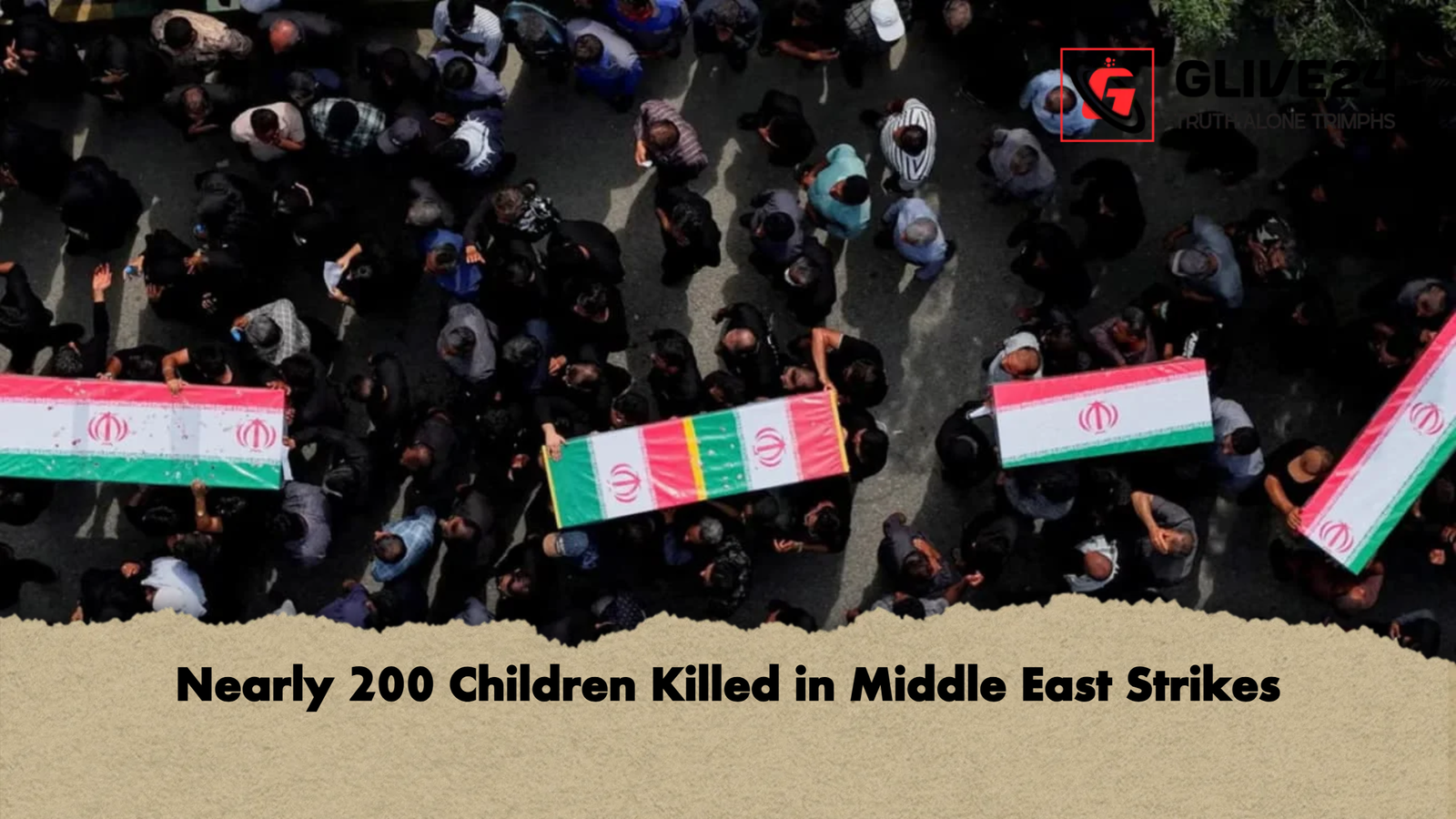
The ongoing US and Israeli military operations in the Middle East have claimed the lives of nearly 200 children, intensifying global concern over the humanitarian toll of the escalating regional conflict. The offensive, which began on Saturday, 28 February, has impacted multiple countries, with Iran suffering the most severe casualties.
Table of Contents
A statement issued by UNICEF confirmed the staggering numbers of child fatalities resulting from the attacks. In Iran alone, 181 children have reportedly been killed, while seven children died in Lebanon, three in Israel, and one in Kuwait. UNICEF emphasised that children are entirely innocent in these conflicts, yet they disproportionately bear the consequences of violence.
The humanitarian crisis is particularly acute in Minab, a city in southern Iran. Authorities, including the Islamic Revolutionary Guard Corps (IRGC), reported that at least 175 schoolgirls were killed in a single strike targeting a girls’ school on the first day of the offensive. The incident has been described as a catastrophic violation of child safety and highlights the extreme vulnerability of young civilians in war zones.
UNICEF issued a forceful statement on the tragedy, noting:
“Children never start wars, yet they pay the highest price. The current military escalation across the Middle East is having a devastating and unacceptable effect on the lives of children.”
The agency urged all parties involved to immediately implement measures to protect civilians, particularly children, and to comply fully with international humanitarian law.
Beyond the immediate fatalities, the attacks have raised alarm over the long-term psychological, social, and educational impacts on surviving children. Loss of family members, destruction of schools, displacement, and disruption of essential services threaten to create a generation exposed to trauma, malnutrition, and interrupted schooling. Humanitarian organisations warn that without urgent intervention, the consequences for child welfare will extend far beyond the conflict’s duration.
| Country | Child Deaths | Notable Incident |
|---|---|---|
| Iran | 181 | Minab girls’ school attack; 175 schoolgirls killed |
| Lebanon | 7 | Civilian areas affected |
| Israel | 3 | Residential areas hit |
| Kuwait | 1 | Collateral casualty |
| Total | 192 | — |
Humanitarian agencies and child protection advocates have called for ceasefires and safe humanitarian corridors to prevent further civilian casualties. Global observers stress that these attacks underscore the disproportionate toll on children in conflict zones and demand immediate action to safeguard vulnerable populations.
UNICEF and other organisations continue to monitor the situation closely, urging the international community to provide emergency aid, psychological support, and secure spaces for children affected by the violence. The ongoing conflict highlights the urgent need for diplomatic intervention, protection of educational institutions, and reinforcement of international child protection norms.
As military operations continue, the focus remains on preventing further child casualties and mitigating the long-term impact on communities. The tragic events in Minab and other affected areas serve as a stark reminder of the human cost of war and the moral imperative to protect the lives and futures of children.




Comments