In Nepal’s general elections, the Rastriya Swatantra Party (RSP) is on the verge of a landslide victory, poised to capture nearly two-thirds of the 275-seat House of Representatives. This unprecedented success signifies a major shift in Nepali politics, displacing long-established parties and signalling a generational and ideological change in the nation’s governance.
Emerging as the country’s next Prime Minister is 35-year-old Balendra Shah, a former rapper turned politician who previously served as the mayor of Kathmandu. Shah’s meteoric rise reflects the growing appeal of young, dynamic leadership in Nepal, particularly in the wake of last year’s Jan-Gi uprising, which led to the downfall of KP Sharma Oli’s government. The movement has reshaped political currents across the country, favouring leaders who can connect with a broader base of voters.
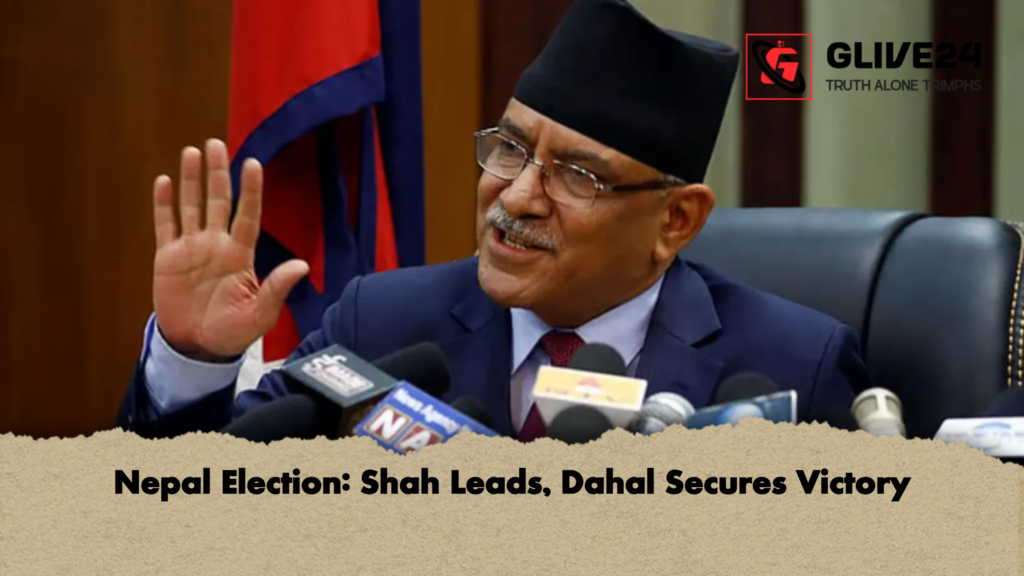
Under Shah’s leadership, the Jan-Gi wave has toppled many veteran and influential politicians. One notable exception is Pushpa Kamal Dahal, widely known as ‘Prachanda’. Once a Maoist guerrilla leader, Dahal spent over a decade fighting the monarchy and later transitioned into mainstream politics, serving multiple terms as Nepal’s Prime Minister. In Thursday’s general elections, Dahal retained strong voter support, winning the Rukum East constituency and securing his fifth consecutive parliamentary victory.
Dahal’s tenures as Prime Minister were:
-
August 2008 – May 2009
-
August 2016 – June 2017
-
December 2022 – July 2024
The election also witnessed the defeat of several prominent figures. KP Sharma Oli contested from Jhapa-5, a stronghold traditionally held by his Communist Party of Nepal faction, but was unseated by Shah’s RSP candidates. Similarly, Gagan Thapa of the Nepali Congress lost his Sarlahi-4 seat to Amaresh Kumar Singh of the RSP, highlighting the shifting political landscape.
| Leader | Party | Constituency | Result | Defeated By |
|---|---|---|---|---|
| Balendra Shah | RSP | Kathmandu Centre | Won | — |
| Pushpa Kamal Dahal | NCP | Rukum East | Won | — |
| KP Sharma Oli | CPN | Jhapa-5 | Lost | RSP candidate |
| Gagan Thapa | Nepali Congress | Sarlahi-4 | Lost | Amaresh Kumar Singh (RSP) |
Political analysts suggest that the results underscore the Nepali electorate’s desire for new leadership while still recognising experienced figures like Dahal. The combination of youthful dynamism from Shah and seasoned statesmanship from Dahal reflects a unique balance in Nepal’s evolving political narrative.
As RSP consolidates its position, the nation braces for a government that promises reform and a break from entrenched political hierarchies. The election results not only mark a generational shift but also indicate that Nepali voters are willing to reward accountability, vision, and effective governance over traditional loyalties.
Nepal now enters a transformative political phase, where the synergy of fresh leadership and experienced politicians may define the country’s policy direction for years to come.