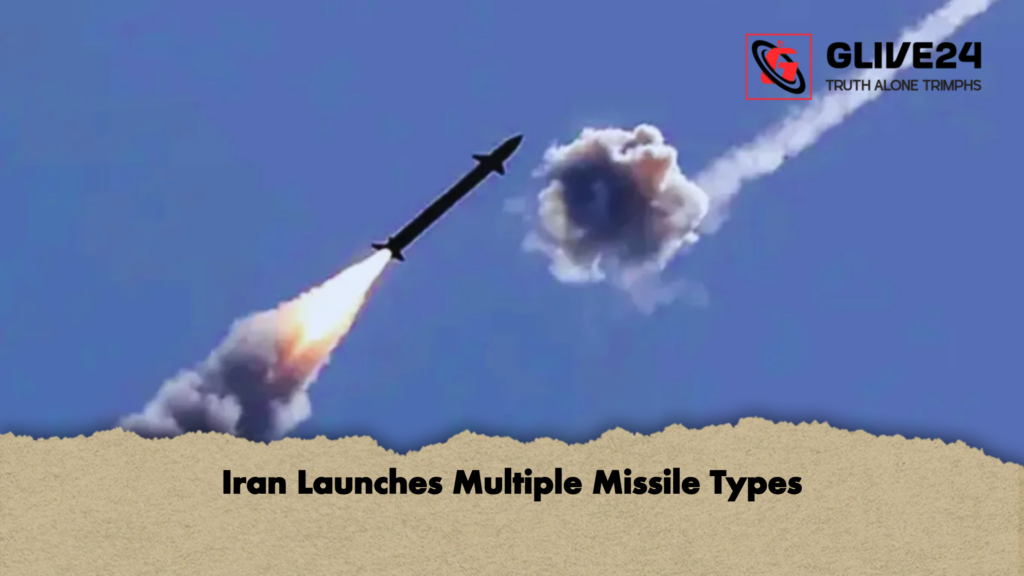
Rising geopolitical tensions in the Middle East have triggered fresh volatility in global energy markets, with crude oil prices climbing steadily amid fears of prolonged conflict. The ongoing hostilities involving Iran, the United States, and Israel have raised concerns about potential disruptions to oil supply routes, prompting sharp reactions from investors and energy traders worldwide.
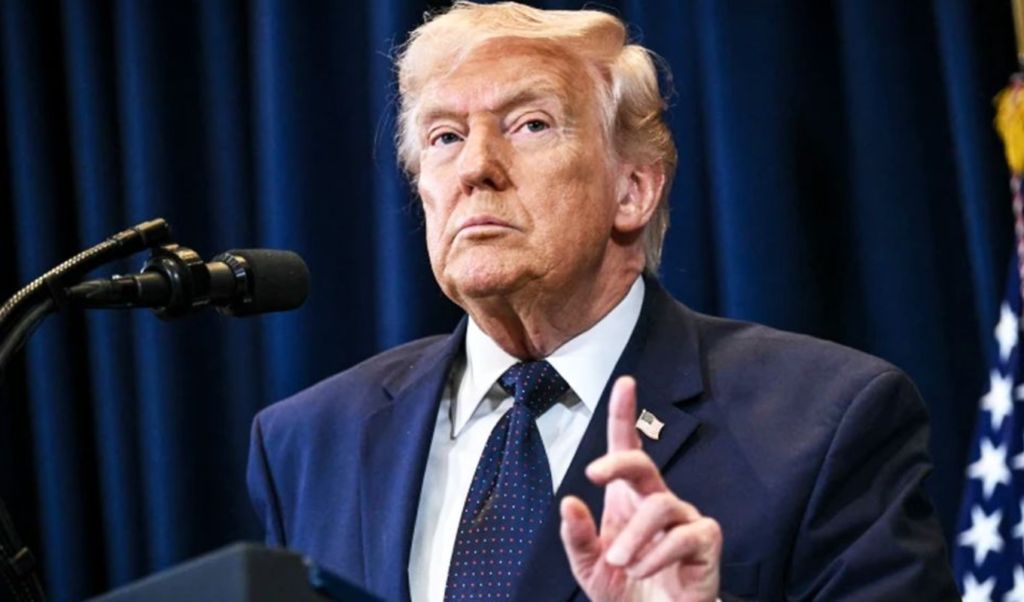
Against this backdrop, United States President Donald Trump has asserted that his administration possesses a strategy to tackle the surge in oil prices. The President expressed confidence that the measures under consideration would ultimately bring relief to consumers and stabilise the market.
Trump made the remarks during a brief telephone interview with New York Post on Monday (9 March), the tenth day since tensions between Iran and the US–Israel alliance escalated into open military confrontation. Although he refrained from disclosing specific details of the proposed policy measures, the President sought to reassure the public that a comprehensive plan had already been formulated.
“I have a plan,” Trump said during the interview, emphasising his confidence in the administration’s preparedness. He suggested that the steps his government intends to take would be welcomed by American citizens and could lead to a swift easing of fuel prices.
Table of Contents
Rising Oil Prices Amid Conflict
The Middle East remains one of the world’s most critical energy-producing regions, accounting for a substantial share of global crude oil supply. When military tensions escalate in this region, markets often respond immediately due to fears that production facilities, shipping routes, or export infrastructure could be disrupted.
Analysts note that concerns about the security of shipping lanes—particularly strategic chokepoints used by oil tankers—can rapidly drive up prices. Even the perception of risk can trigger speculative trading, pushing global benchmarks higher.
Key Factors Influencing Oil Price Increases
| Factor | Explanation |
|---|---|
| Regional Military Conflict | Fighting between Iran and US-aligned forces raises fears of supply disruptions. |
| Strategic Shipping Routes | Concerns over tanker safety in Middle Eastern waterways affect global supply chains. |
| Market Speculation | Traders often increase purchases anticipating shortages, driving prices higher. |
| Energy Supply Dependence | Many economies rely heavily on Middle Eastern crude exports. |
Energy economists argue that sustained increases in oil prices can have widespread consequences for the global economy. Higher crude prices typically lead to increased transportation and manufacturing costs, which can eventually push up consumer prices across multiple sectors.
Possible Policy Responses
Although Trump did not elaborate on the specifics of his plan, experts believe several policy tools may be under consideration. These could include releasing oil from the United States’ strategic petroleum reserves, encouraging increased domestic production, or coordinating supply adjustments with allied oil-producing nations.
The United States has historically relied on its strategic reserves as a stabilising mechanism during periods of market disruption. Additionally, diplomatic engagement with major producers could also play a role in calming markets and restoring supply confidence.
Global Attention on Washington
As tensions continue to unfold, governments, investors, and energy companies around the world are closely monitoring developments in Washington. Any major decision by the US administration could have an immediate impact on global oil markets.
While Trump’s remarks offered reassurance, the lack of concrete details has left analysts awaiting further clarification. Nevertheless, the President’s confidence suggests that the administration believes it has the tools necessary to mitigate the effects of geopolitical instability on energy prices.
For now, markets remain cautious, with the trajectory of oil prices likely to depend on both military developments in the Middle East and any policy actions that may follow from the White House.