The ongoing conflict between Israel and Iran has entered its sixteenth day, with both sides continuing to exchange strikes in what has rapidly become one of the most volatile confrontations in the Middle East in recent years. Despite growing international concern and several diplomatic efforts aimed at halting the violence, neither side appears willing to step back from the escalating hostilities.
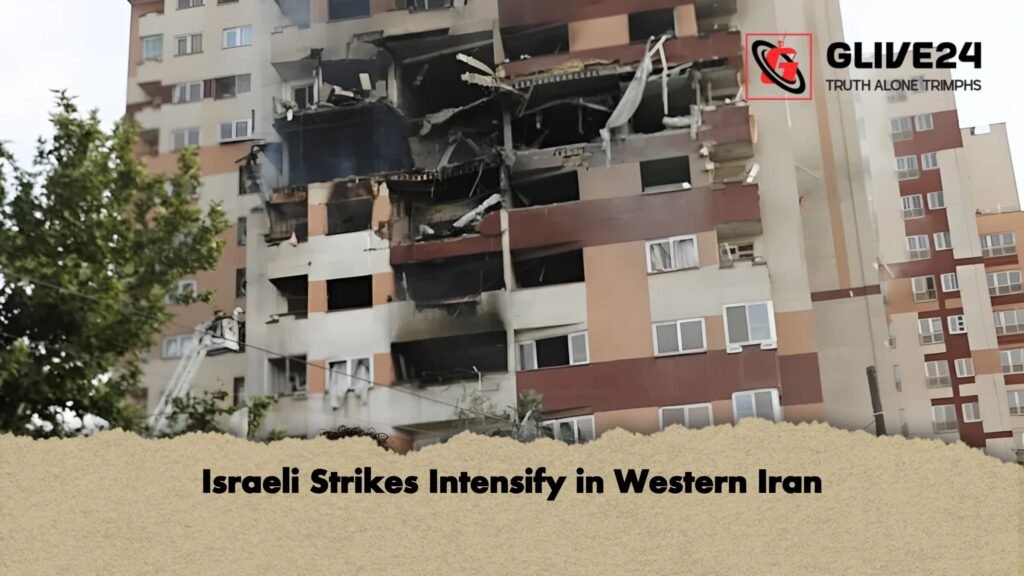
Reports indicate that Israeli forces launched a large-scale attack on targets in western Iran yesterday. According to military sources and international media reports, a series of missiles struck multiple locations across the region from early afternoon onwards. The explosions were powerful enough to shake surrounding areas, sending plumes of smoke into the sky and prompting heightened alert levels among Iranian defence units.
The Israeli Defence Forces (IDF) confirmed that the strikes were part of a broader operation targeting what they described as “strategic military infrastructure” in western Iran. Israeli officials claim the aim of the operation is to weaken Iran’s military capabilities and disrupt facilities allegedly linked to missile development and military logistics. However, the exact scale of damage and potential casualties has not yet been independently verified.
Meanwhile, tensions remain high on the diplomatic front. United States President Donald Trump has indicated that Washington is not currently prepared to support a ceasefire with Iran. Tehran has taken a similarly uncompromising stance, stating that it will not agree to any truce involving the United States or Israel under current conditions.
Several regional powers have attempted to mediate the conflict. Egypt and Oman have reportedly reached out to both Washington and Tehran in an effort to initiate negotiations and de-escalate the crisis. However, diplomatic sources suggest that these initiatives have so far failed to gain traction.
Iran has also issued sharp accusations against the United States, alleging that Washington may be attempting to stage an incident similar to the 11 September 2001 attacks in order to justify further military action against Tehran. Iranian officials claim such a scenario could be used to shift blame onto Iran, though no evidence supporting the allegation has been presented.
At the same time, some American officials have expressed cautious optimism that the conflict may not continue indefinitely. US Energy Secretary Chris Wright stated yesterday that there could be signs of the war winding down within the next few weeks. Israeli authorities, however, appear to hold a different assessment, suggesting that the fighting may persist for at least another three weeks.
In a separate interview with the American broadcaster NBC, President Trump made a remark suggesting that Israel and its allies could potentially strike Iran’s Kharg Island again “just for fun”. Kharg Island is a crucial hub for Iran’s oil exports, and any attack there could have significant implications for global energy markets.
As the war moves into its third week, the possibility of wider regional instability remains a major concern for the international community. Analysts warn that continued escalation could disrupt energy supplies, increase geopolitical tensions, and draw additional actors into the conflict.
Key Developments in the Iran–Israel Conflict
| Issue | Current Situation |
|---|---|
| Duration of conflict | 16 days and continuing |
| Latest military action | Israeli missile strikes in western Iran |
| Israeli assessment | Fighting may continue for at least three more weeks |
| US position | President Trump unwilling to support a ceasefire |
| Iranian position | Refuses ceasefire involving US or Israel |
| Mediation attempts | Egypt and Oman seeking diplomatic negotiations |
| Strategic concern | Possible impact on global oil markets |
The coming days are likely to prove critical. Whether through diplomatic intervention or battlefield developments, the trajectory of the conflict will have far-reaching consequences for the Middle East and beyond. International observers are therefore closely monitoring the situation, hoping that diplomatic channels may yet prevent further escalation.