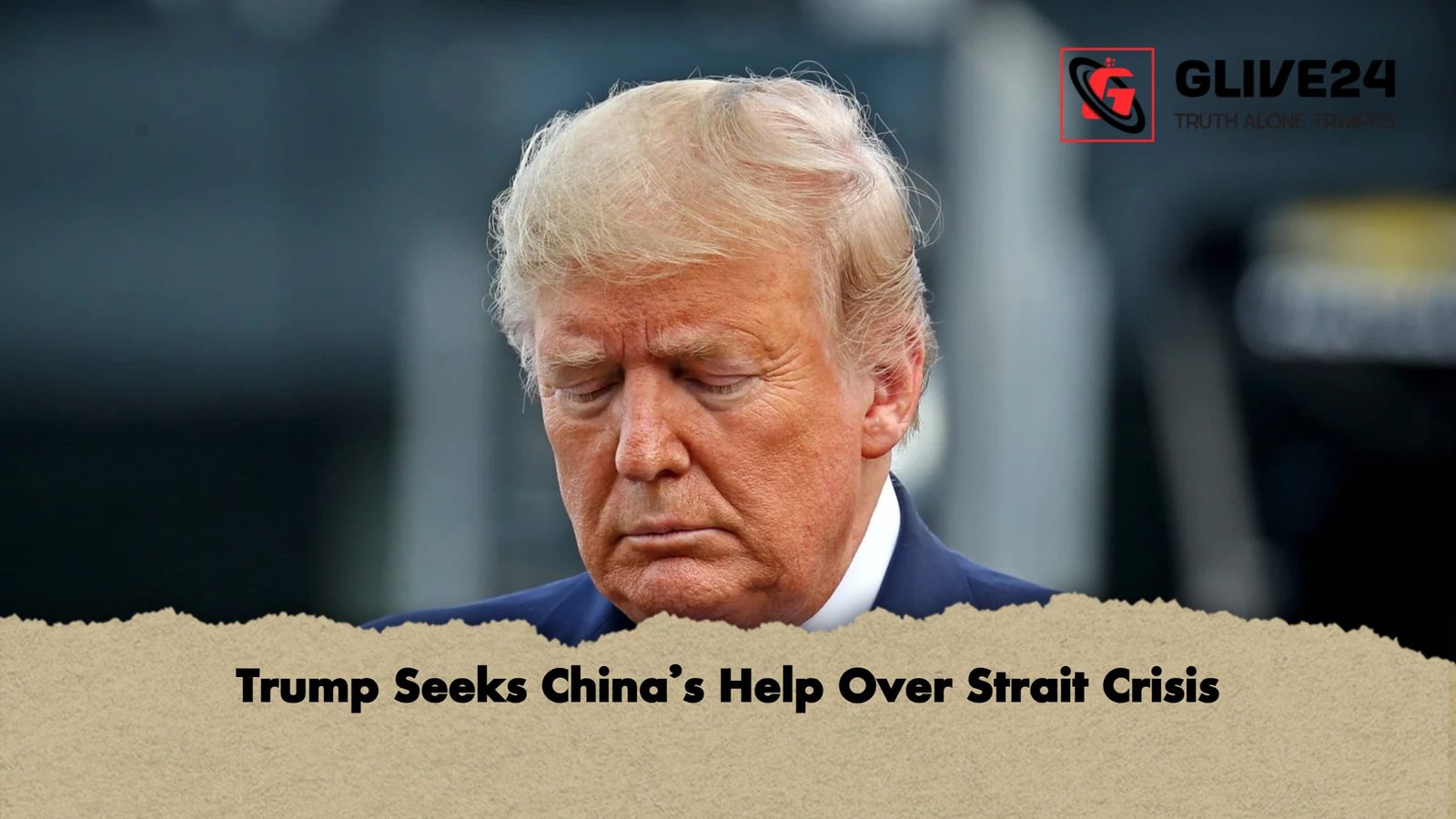
In a recent interview with the Financial Times, US President Donald Trump addressed his forthcoming meeting with Chinese President Xi Jinping in Beijing, emphasising the critical importance of securing the Strait of Hormuz for global oil shipments. Trump expressed hope that China would take proactive measures to reopen the strait before the scheduled summit.
According to Trump, China relies on the Strait of Hormuz for nearly 90 per cent of its oil imports. The meeting in Beijing is slated for the end of March, but the US President stressed that he wants to see action from China beforehand, warning that a two-week wait would be too long. He also acknowledged that the trip could be postponed, though he did not provide further details.
The call for Chinese assistance comes amid a complex geopolitical backdrop. With Beijing maintaining strong relations with Tehran, China may not feel any immediate need to coordinate with Washington to ensure the safe passage of its own oil tankers through the strategic waterway.
India, meanwhile, has successfully negotiated with Tehran to allow two of its oil tankers to transit the Strait safely. This development demonstrates that bilateral agreements are still possible despite rising regional tensions.
Previously, Trump had urged France, the United Kingdom, Japan, and South Korea to deploy naval vessels to safeguard the Strait against Iranian threats. However, none of these nations have formally responded, leaving numerous commercial vessels from multiple countries stranded at the strait. The resulting disruption has triggered concerns about a potential global energy shortage.
The table below summarises the current situation in the Strait of Hormuz:
| Country | Number of Vessels Affected | Transit Permission | Notes |
|---|---|---|---|
| United States | 5 | No | Awaiting Chinese action before summit |
| China | Own vessels | Possibly | Strong ties with Tehran |
| India | 2 | Yes | Bilateral agreement with Iran |
| France | 0 | No | No official response to Trump’s call |
| United Kingdom | 0 | No | No response yet |
| Japan | 0 | No | No response yet |
| South Korea | 0 | No | No response yet |
Analysts warn that the standoff in the Strait of Hormuz, one of the world’s most critical oil transit routes, could exacerbate existing energy supply pressures. Delays in shipping have already caused fluctuations in global oil prices, while the lack of coordinated international response raises concerns about prolonged disruptions.
Trump’s appeal to China highlights the growing reliance on multilateral cooperation in managing strategic maritime chokepoints. With the global economy heavily dependent on uninterrupted oil flows, the outcome of his engagement with Beijing will be closely watched by markets, policymakers, and international security experts alike.