Here is a refined, expanded and verified account of the latest developments concerning alleged Israeli military action against Iran. This version draws on multiple current reports to present a fuller picture while remaining factual in tone.
Table of Contents
Background to the Reported Assault
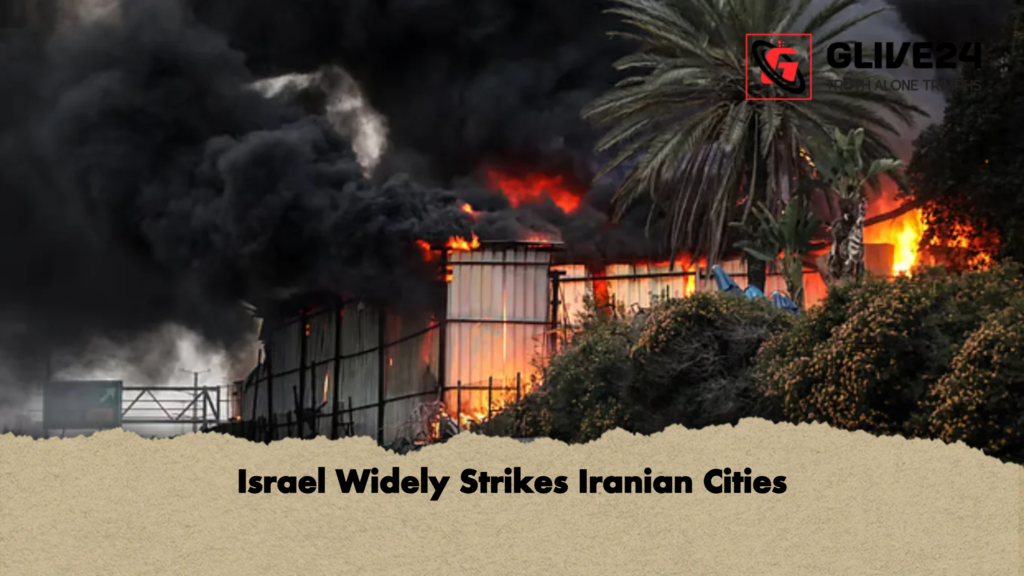
On Monday, the Israel Defence Forces (IDF) publicly declared they had initiated a series of “wide‑scale” strikes across multiple Iranian cities, specifically targeting strategic infrastructure in Tehran, Shiraz and Tabriz. The announcement marks a significant escalation of hostilities in the already tense Iran–Israel confrontation.
This statement came as part of a broader regional conflict that has seen repeated exchanges of attacks and counter‑attacks throughout 2025 and into 2026, including major operations conducted jointly by Israeli and United States forces earlier in the year under the codename Operation Lion’s Roar, which targeted Tehran and other locations.
Iran has not independently corroborated the full scale of today’s claims from Israeli sources, though previous strikes on Iranian territory have been independently verified by multiple outlets and analysts.
Key Cities Allegedly Targeted
Here is a summary of the principal Iranian urban centres reportedly hit:
| City | Description | Geographic Location |
|---|---|---|
| Tehran | Capital and largest city of Iran; political and administrative hub. | Northern‑central Iran |
| Shiraz | Major cultural, economic and educational centre; known historically for arts and poetry. | South‑west Iran |
| Tabriz | Fourth largest city in Iran; important industrial and commercial centre near international borders. | North‑west Iran, close to Turkey, Armenia and Azerbaijan |
The strikes were described by the Israeli military as targeting “infrastructure related to regime operations”, though specific details of objectives have not been fully released.
Wider Context of the Conflict
The current situation is part of a broader confrontation between Iran and Israel that has persisted for years, involving disputes over nuclear development, missile programmes, and regional security influences. The conflict has not been confined to direct strikes alone; it has also involved proxy engagements and missile exchanges throughout the Middle East.
In recent weeks, independent reporting indicates the cumulative toll on Tehran from earlier attacks has been severe. According to emergency officials cited in global media, at least 503 people have been killed in Tehran alone since late February, with thousands more reported injured as a result of prior hostilities.
Analysts note that Tehran’s responses have included missile launches toward Israeli and allied positions, and regional tensions have been rising as a result.
International Response and Possible Implications
The international community has widely expressed alarm at the escalation. Governments in Europe, the United States, Saudi Arabia and other Gulf states have urged both restraint and dialogue, even as they acknowledge evolving security concerns in the region.
Energy markets have responded to the uncertainty, with oil prices remaining volatile amid fears of disruption to shipping routes such as the Strait of Hormuz — a critical global oil transit point.
Humanitarian concerns are also growing, as civilian populations in affected cities face disruptions in essential services like electricity, communications and medical care.