
Khabor Wala Desk
Published: 18th March 2026, 12:52 AM
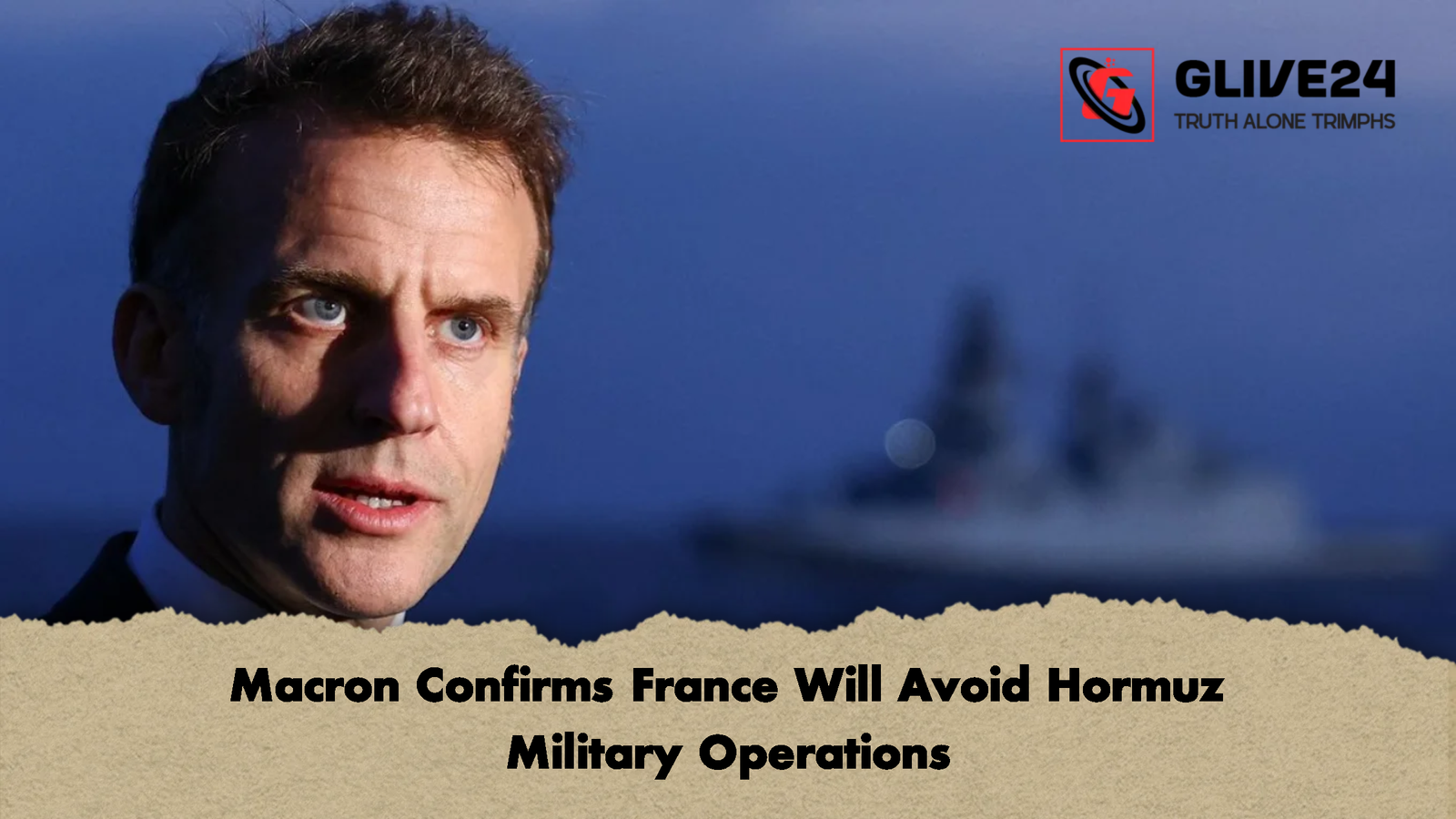
French President Emmanuel Macron has unequivocally ruled out French participation in any military operation within the Strait of Hormuz, signalling a firm policy of neutrality amid escalating Middle Eastern tensions. His announcement came on Tuesday, 17 March 2026, during a French Cabinet meeting convened to address the ongoing conflict involving the United States, Israel, and Iran.
Table of Contents
Addressing ministers, Macron stressed that France will maintain a non-combatant stance in the hostilities. Reports from Al Jazeera and Reuters indicate that he stated:
“France will never participate in any military operation aimed at securing the Strait of Hormuz amidst the ongoing US–Israeli–Iran conflict. However, Paris is actively working on forming an international coalition to ensure freedom of navigation in the strait once the conflict concludes.”
He further clarified:
“We are not a party to this war. Under the current circumstances, France will not take part in any operation to open or secure the strait. We believe that once the situation stabilises—when, and I stress consciously, the main bombings cease—we can join with other nations to provide escort and security measures for maritime traffic.”
Macron’s remarks underscore France’s emphasis on safeguarding global shipping lanes while avoiding direct military engagement. Paris is reportedly exploring diplomatic and multilateral mechanisms that would allow an international coalition to monitor and protect commercial vessels once hostilities have ended. This approach reflects a balance between protecting international trade and maintaining France’s strategic neutrality.
Analysts note that France’s stance could influence discussions within the European Union and NATO, particularly on maritime security, crisis management, and collective responses to regional threats. By signalling readiness for post-conflict security cooperation rather than pre-emptive military action, Macron is also aligning with broader EU principles of conflict avoidance and diplomacy-first intervention.
The Strait of Hormuz, a narrow maritime passage connecting the Persian Gulf with the Gulf of Oman, is a vital artery for global oil and gas exports. Approximately one-fifth of the world’s oil supply passes through the strait. Any disruption could have immediate and profound effects on energy markets and international trade.
The recent escalation of tensions between Iran, the US, and Israel has raised concerns about potential threats to maritime traffic. Calls for multinational oversight have intensified, highlighting the need for coordinated action to protect shipping and prevent global economic disruption.
Macron’s announcement may reassure regional actors and global markets that France does not intend to escalate the conflict militarily. Simultaneously, it emphasises the importance of post-conflict planning for safe navigation and international cooperation. By advocating for coalition-based security, France positions itself as a diplomatic mediator capable of balancing global responsibilities with national non-involvement.
| Detail | Information |
|---|---|
| Announcement Date | 17 March 2026 |
| Location | French Cabinet Meeting, Paris |
| Speaker | President Emmanuel Macron |
| Position | France will not join military operations in the Strait of Hormuz |
| Context | Ongoing US–Israeli–Iran conflict |
| Future Plans | Support international coalition for safe navigation post-conflict |
| Sources | Al Jazeera, Reuters |
| Strategic Significance | Strait of Hormuz: critical global oil transit route |
President Macron’s statement highlights a deliberate French policy of measured engagement, prioritising diplomacy and coalition-building over unilateral military action. By maintaining neutrality while preparing to safeguard international shipping post-conflict, France seeks to uphold global economic stability and maritime freedom without exacerbating regional hostilities. The announcement underscores Paris’s dual commitment to principled foreign policy and pragmatic strategic planning in one of the world’s most sensitive geopolitical hotspots.

Comments