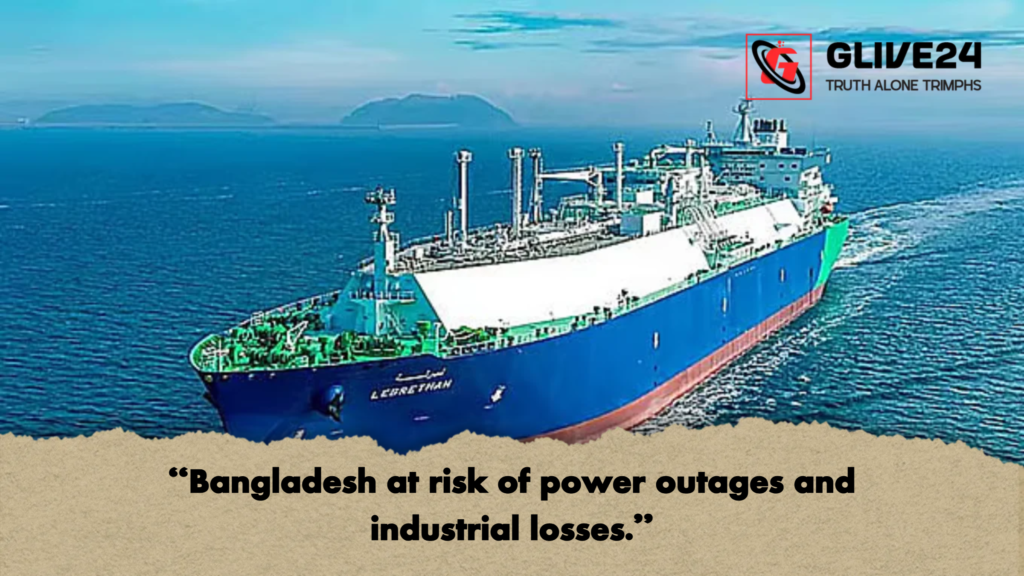
The recent missile attack by Iran on Qatar’s Ras Laffan Industrial City has triggered widespread concern across South Asia, particularly in Pakistan, Bangladesh, and India, over potential power outages and industrial production disruptions. Ras Laffan is a pivotal hub where almost all of Qatar’s natural gas is processed and exported, making it critical for global LNG supply chains.
South Asian countries rely heavily on Qatar for their liquefied natural gas (LNG) imports. According to The media said, Pakistan and Bangladesh receive approximately 99% and 70% of their LNG from Qatar, respectively. Meanwhile, market research organisation S&P Global reports that India sources over 40% of its LNG needs from Qatar.
The conflict in Iran, now three weeks underway, has already impacted key energy transportation routes, including the Strait of Hormuz, and has inflicted damage on what is arguably the world’s most crucial LNG facility. Ras Laffan’s management, alongside state-owned QatarEnergy, had already temporarily suspended LNG and related production earlier this month. The recent missile strikes, however, are expected to extend the timeline before normal operations resume.
Energy analysts warn that both Pakistan and Bangladesh have limited LNG reserves, sufficient to last only one to two weeks, leaving them particularly vulnerable to supply disruptions. This raises concerns of large-scale electricity shortages and reduced gas supplies to industrial sectors, potentially affecting factory operations and broader economic activity.
LNG Reliance and Risk Levels
| Country | LNG Sourced from Qatar | On-hand Reserves | Risk Level |
|---|---|---|---|
| Pakistan | 99% | 1–2 weeks | Very High |
| Bangladesh | 70% | 1–2 weeks | High |
| India | 40%+ | 2–3 weeks | Moderate |
| Taiwan | 33% | 11 days | High |
| China | Diversified | Ample | Low |
| South Korea | Diversified | Ample | Low |
| Japan | Diversified | Ample | Low |
In East Asia, Taiwan also faces significant risk due to its dependence on Qatar for a third of its LNG supply and limited reserves. Taipei has, however, assured that supplies for March and April are secured, and efforts are underway to ensure adequate procurement for May.
Meanwhile, Kepler data shows that Qatar supplies substantial LNG volumes to China, South Korea, and Japan. Thanks to larger stockpiles and diversified sources, these nations are in a comparatively safer position. China, in particular, benefits from varied import origins, allowing it to adapt to the ongoing disruptions.
As tensions in the Middle East continue, experts emphasise the urgent need for South Asian countries to explore alternative LNG sources and build strategic reserves to mitigate the risk of widespread electricity outages and industrial slowdowns.
The situation underscores the fragility of global LNG supply chains and highlights the vulnerability of nations heavily reliant on single-source imports during geopolitical conflicts.