
Khabor Wala Desk
Published: 20th March 2026, 10:15 AM
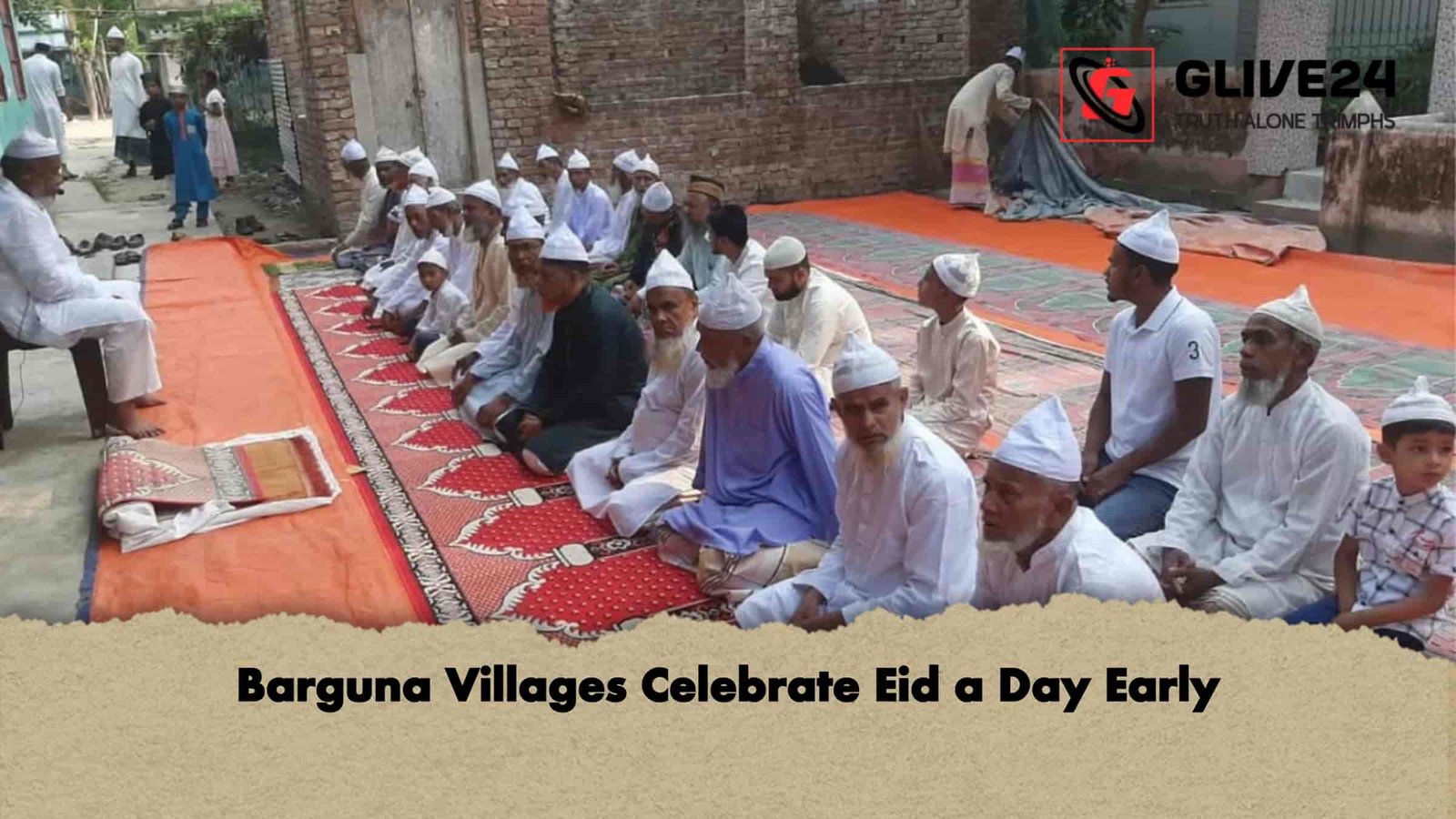
In a remarkable display of religious observance, nearly fifty villages across Barguna celebrated Eid al-Fitr a day earlier, in alignment with the sighting of the moon in Saudi Arabia. Approximately 20,000 residents joined the festivities, demonstrating longstanding local traditions that mirror those in the Middle Eastern kingdom.
On Friday, 20 March, the Eid prayers commenced at 8:30 a.m. at the Mallik Bari Jame Mosque in Madhya Bakultoli village, under the jurisdiction of Kazirabad Union in Betagi Upazila. Hundreds of worshippers, spanning all age groups, gathered to offer prayers and mark the occasion with communal harmony.
Celebrations extended across multiple Upazilas, with notable participation in the following villages:
| Upazila | Villages Celebrating Early Eid |
|---|---|
| Barguna Sadar | Pajaravanga, Lakurtala, Gourichanna |
| Patharghata | Hatempur |
| Betagi | Laxmipura, Kazirabad |
| Bamna | Shonbunia |
| Amtali | Gojkhali |
| Taltali | Nidra |
Historical accounts reveal that this practice has been maintained for generations. Residents of these villages have long observed Eid in synchronisation with Saudi Arabia, both for Eid al-Fitr and Eid al-Adha. The practice primarily follows religious rituals, customs, and regulations aligned with those of the Middle Eastern nation.
Mohammad Abdul Ghani Mallik, a resident of Madhya Bakultoli village, explained the origin of the tradition: “Around 200 years ago, under the guidance of the Mirzakhil Darbar Sharif in Satkania, Chittagong, religious leaders Chan Mia and Kashem Maulvi introduced these practices here. Since then, the people of our area have consistently observed Eid according to the Saudi calendar. Similarly, Eid al-Adha is celebrated following the same pattern.”
Imam Mohammad Fazlur Rahman, leading the Eid congregation in Kazirabad Union, added, “This tradition from Satkania has been preserved here for decades. Although the number of worshippers was larger in the past, the spirit of observance remains strong.”
This synchronisation with Saudi Arabia highlights the cultural and religious connections that continue to influence local practices in Bangladesh, demonstrating the enduring importance of maintaining traditional observances even across continents.



Comments