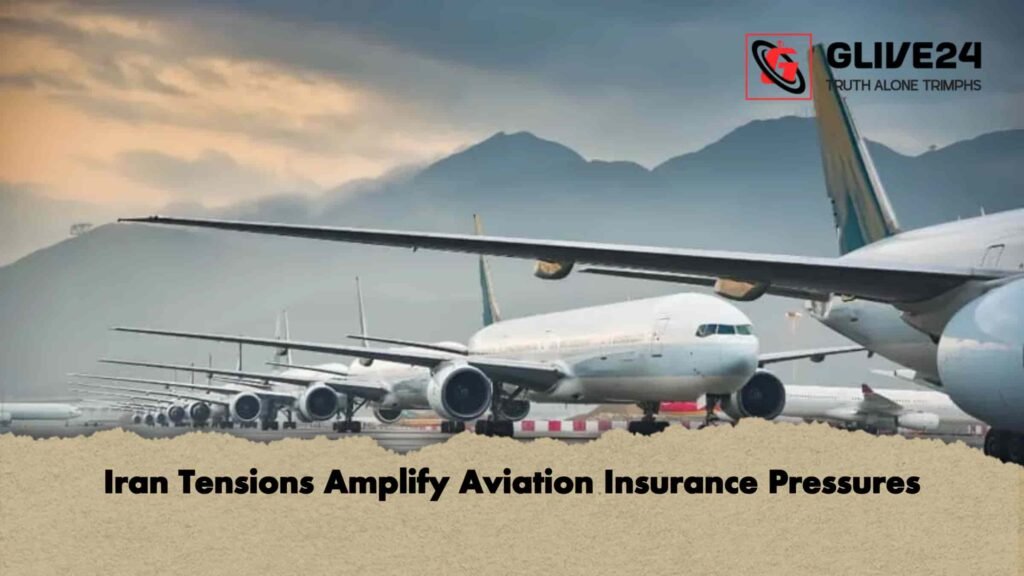
Rising hostilities involving Iran are exerting renewed pressure on the global aviation insurance market, with implications for pricing, underwriting, and risk management, according to legal and insurance specialist Kennedys. As geopolitical instability escalates, aviation insurers are facing both immediate operational challenges and long-term structural strain in the war risk segment.
Disrupted Flight Operations
Airlines operating between Europe, the Middle East, and Asia-Pacific are confronting significant operational disruptions. Routes passing through key hubs, including Singapore, Dubai, and Doha, are being rerouted to avoid conflict zones, resulting in longer flight times, higher fuel costs, and increased operational risk.
These adjustments intensify insurers’ exposure assessments. Aircraft flying near conflict areas are now subject to stricter scrutiny, with insurers carefully evaluating potential losses from airspace diversions, emergency landings, and related hazards.
War Insurance Under Pressure
The aviation war insurance sector, already stretched following Russia’s invasion of Ukraine in 2022, faces mounting challenges. Insurers may respond to the Iranian conflict with premium hikes, tighter coverage terms, or even policy cancellations, particularly affecting hull war, passenger liability, and third-party liability coverages.
Reinsurers, who provide critical capacity to primary insurers, are expected to review exposure limits. This could lead to reduced market capacity and stricter underwriting standards worldwide, potentially driving higher reinsurance costs that are subsequently passed on to airlines and other aviation operators.
Wider Market Implications
Kennedys highlights that the effects extend across the aviation ecosystem. Airports, airlines, aircraft lessors, and logistics providers may encounter rising insurance expenses alongside operational uncertainty. While standard travel insurance typically excludes direct war-related claims, indirect impacts—such as flight delays, cancellations, and business interruptions—are likely to trigger a surge in claims within adjacent coverage areas.
The scale and duration of the impact will depend on how long key air corridors remain affected. Short-term disruption may be manageable, but prolonged instability could force insurers and reinsurers to recalibrate risk appetites, tighten market capacity, and revise pricing structures across the aviation and specialty insurance markets.
Potential Insurance Market Impacts
| Coverage Category | Anticipated Premium Change | Likely Market Response |
|---|---|---|
| Hull War Insurance | +15% to +30% | Stricter policy terms, potential cancellations |
| Passenger Liability | +10% to +25% | Heightened risk evaluation |
| Third-Party Liability | +10% to +20% | Increased deductibles, reduced capacity |
| Reinsurance | +20% to +35% | Tighter underwriting, limited availability |
As tensions persist, the aviation insurance sector faces an era of heightened volatility, requiring both insurers and operators to adopt more cautious and flexible strategies to navigate emerging risks.