
Khabor Wala Desk
Published: 22nd March 2026, 4:03 PM
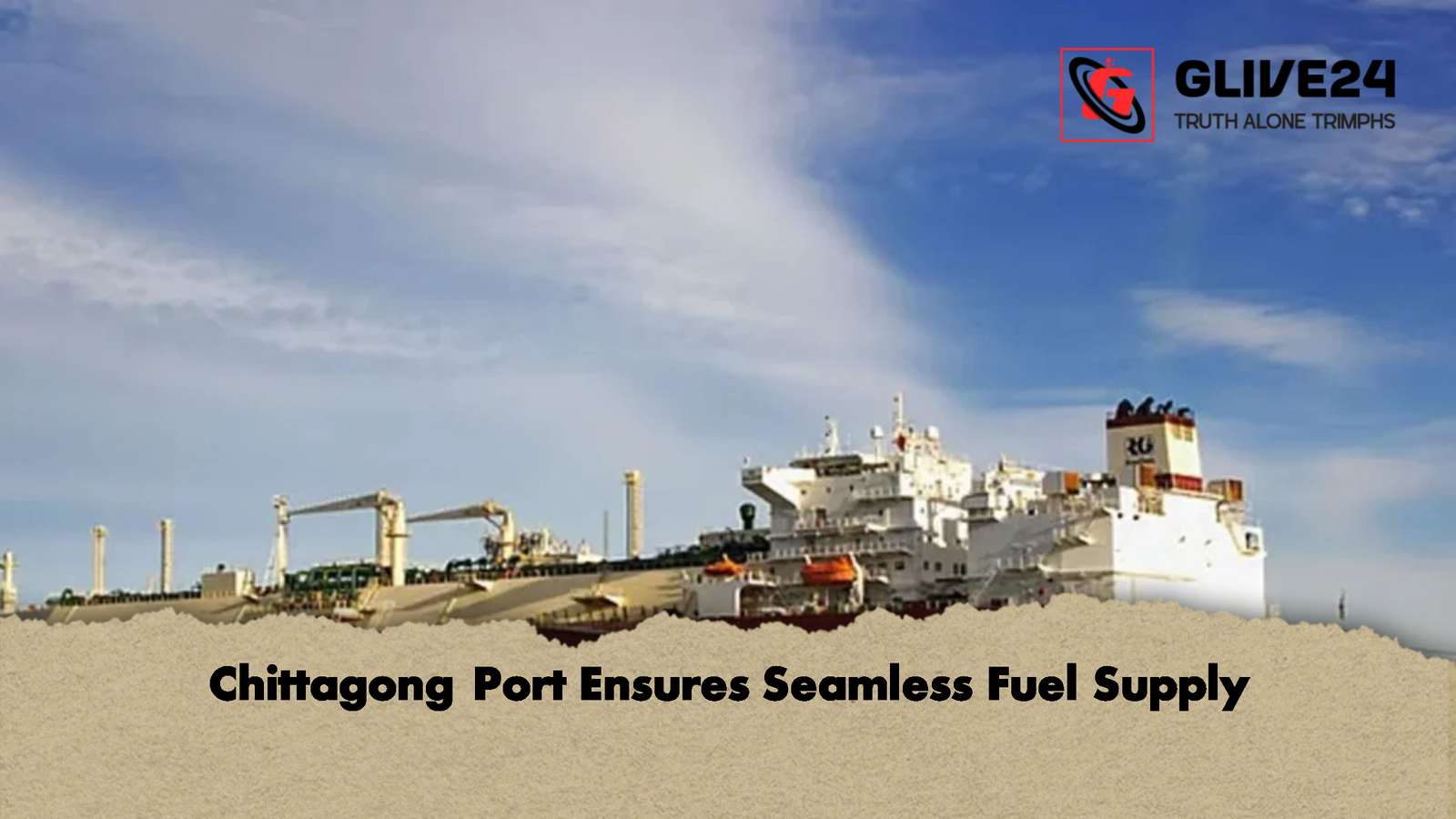
Chittagong Port is operating at full capacity to safeguard Bangladesh’s energy security, ensuring uninterrupted supplies of fuel and LPG for industrial, power generation, and domestic needs. According to official data, 25 fuel-carrying vessels have been successfully discharged since 1 March, with additional ships currently in the port and two more en route, underscoring the strategic importance of the port in maintaining the nation’s energy and industrial stability.
| Vessel Name | Cargo Type | Origin | Status | Expected Arrival |
|---|---|---|---|---|
| LPG SEVAN | Liquefied Petroleum Gas (LPG) | Oman | Currently discharging | N/A |
| AB OLIVIA | Base Oil | Thailand | Offshore at Bravo point | 25 March |
| BWEK BORNHOLM | Mixed Fuel | En route | At sea | 25 March |
| MORNING JANE | Mixed Fuel | En route | At sea | 25 March |
Between 1–22 March, the Traffic and Marine Department reports that 25 vessels carrying diesel, furnace oil, jet fuel, and octane have been successfully discharged. This steady flow of imports has ensured smooth operations for power plants, factories, and the domestic transport network, preventing potential shortages during a critical period of industrial and agricultural activity.
Shipping and logistics experts note that fuel imports are being given top priority, which has helped avoid congestion at the port and accelerated discharge procedures. The LPG SEVAN, carrying liquefied petroleum gas from Oman, is actively unloading its cargo, which will stabilise domestic household supply. Meanwhile, AB OLIVIA, transporting base oil from Thailand, is currently stationed at the offshore Bravo point and will provide vital feedstock for the country’s lubricant industry.
Two additional vessels, BWEK BORNHOLM and MORNING JANE, are expected to arrive on 25 March, further strengthening fuel reserves ahead of the agricultural irrigation season and ensuring uninterrupted electricity production. Analysts emphasise that the timely arrival and discharge of these vessels leave no room for artificial fuel shortages, a crucial factor for economic continuity.
Chittagong Port Secretary Syed Refayet Hamim highlighted the broader economic impact, stating, “Timely discharge of vessels saves the country millions of dollars and maintains market stability. Successfully handling 25 vessels this March demonstrates our logistical efficiency. Sustaining this flow will help keep Bangladesh’s economy running smoothly.”
With continued arrivals and efficient operations, Chittagong Port remains pivotal in securing Bangladesh’s energy supply, stabilising domestic markets, and supporting critical industrial and agricultural sectors, confirming its role as a cornerstone of the nation’s economic infrastructure.




Comments